Bebé – por Dr. Katherine Bennett – 01 abril 2026
Separation Anxiety at Night: Helping Your Toddler Feel Secure
It starts with a simple "One more hug," and quickly spirals into a full-blown meltdown the moment you reach for the doorknob. If your toddler, who once slept like a dream, is suddenly terrified of being left alone in their room, you are likely navigating the challenging waters of bedtime separation anxiety.
Separation anxiety is a normal, albeit exhausting, developmental milestone. It is a sign of a strong, healthy attachment to you. However, when it interferes with the entire family’s sleep, it’s time to implement a strategic plan that builds your child’s confidence and restores peace to your evenings.
1. The Psychology of the Bedtime Battle
To help your toddler, you must first understand what is happening in their rapidly developing brain. Around ages 18 months to 3 years, children undergo a massive cognitive shift. They are beginning to understand object permanence on a deeper level—they know you are in the other room, and they want to be there with you.
At the same time, their imagination is waking up. A simple shadow from a curtain can become a "monster," and the silence of the night can feel overwhelming. They don't have a firm grasp of time yet, so when you say, "I’ll see you in the morning," to them, it feels like you are disappearing forever.
2. Master the "Bridge Technique": Connecting Night to Day
One of the most effective ways to lower a toddler’s anxiety is to "bridge" the gap of the night. Anxiety thrives in the "void" of separation. By creating a mental bridge to the next time you will be together, you reduce the perceived length of the separation.
How to do it: During your final tuck-in, don't focus on the "goodbye." Instead, focus on the "hello." Talk vividly about the first thing you will do together in the morning. "I can’t wait to wake you up tomorrow so we can make blueberry pancakes together!"
Why it works: This gives their brain a concrete "anchor" in the future, making the hours of sleep feel like a short transition rather than a scary departure.
3. Sensory Anchoring: Bringing "Mama and Papa" Into the Bed
Toddlers are highly sensory creatures. When they wake up in the middle of the night, the lack of your scent, voice, and touch triggers a "safety alarm" in their brain. You can use sensory anchors to keep them feeling secure even when you aren't physically there.
The Scent Anchor: This is a classic but underutilized tip. Take your child’s favorite "lovey" or a small blanket and tuck it inside your shirt for an hour before bedtime. Your natural scent will transfer to the fabric. When your toddler snuggles it at 2:00 AM, their brain receives a biological signal that "Mama/Papa is close."
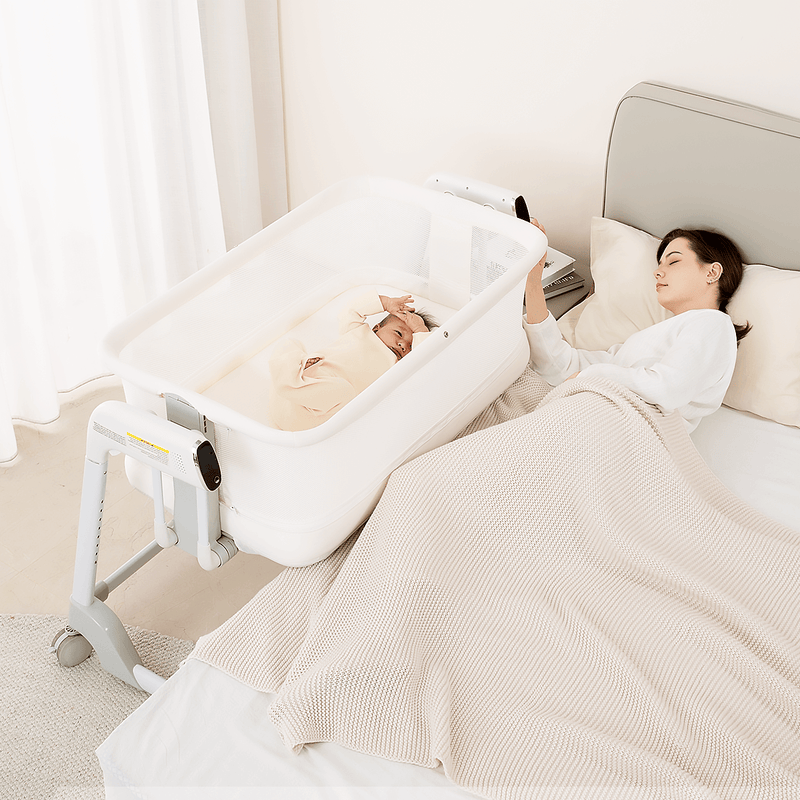
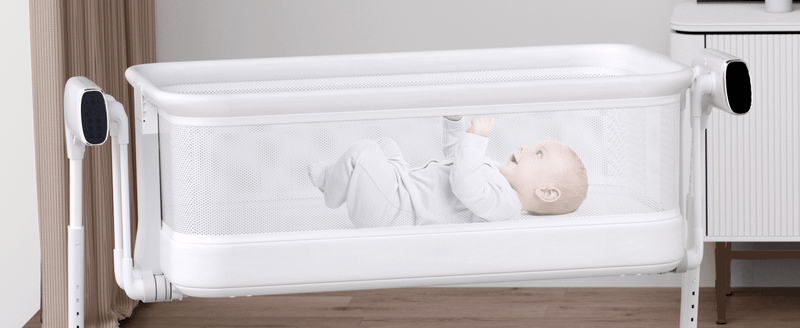
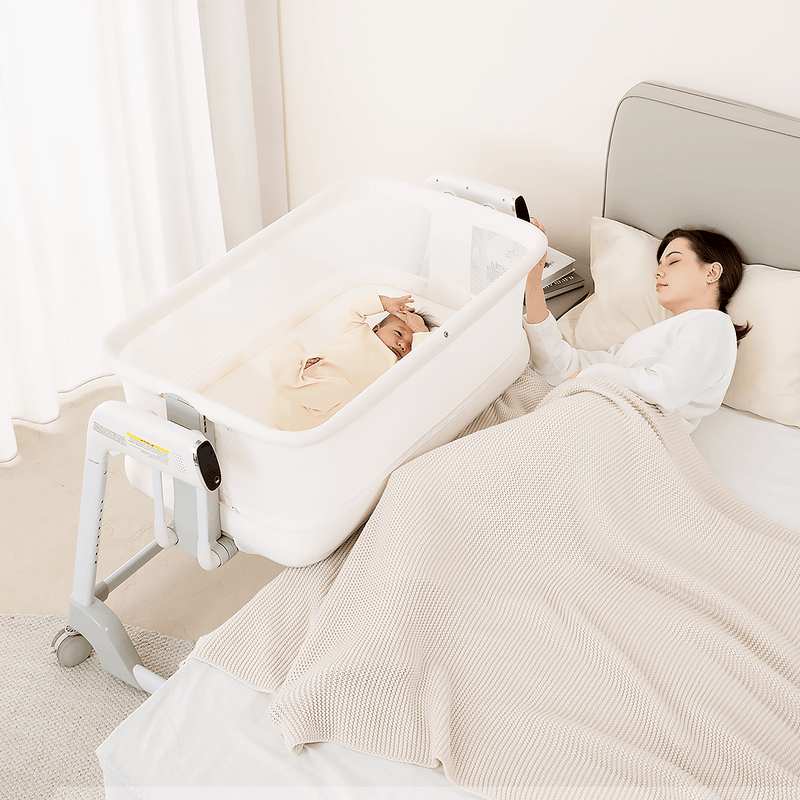
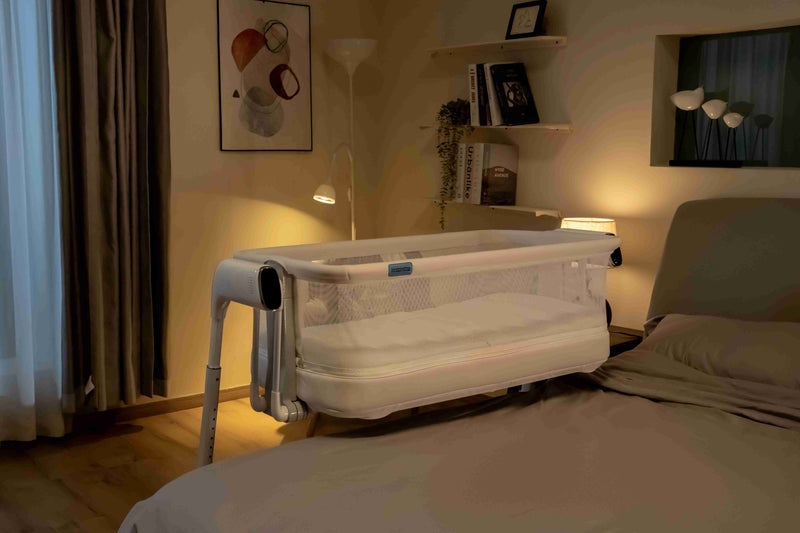
The Transition from Infancy: Many parents find that the transition from a newborn rocking bassinet to a toddler bed is where the anxiety peaks. To ease this, ensure their new sleep environment feels just as safe. Using a smart baby crib that offers familiar rhythmic motions can provide a "bridge" of physical comfort, reminding them of the safety they felt as infants.
4. The "Check-In" Method: Building Trust Through Increments
If your child is panicking, "crying it out" can often backfire by increasing their cortisol levels and making them even more hyper-vigilant. Instead, use the "Timed Check-In" method. This teaches them that you always return.
The Commitment: Say, "I am going to go put the laundry away, and I will come back to check on you in three minutes."
The Follow-Through: You must return in exactly three minutes. Don’t stay long—just a quick pat on the head and a "You’re doing great, I’ll check again in five minutes."
The Result: Eventually, the toddler learns that your absence is temporary and predictable. Often, they will fall asleep waiting for the next "check-in" because their nervous system has remained calm.
5. Optimizing the Sleep Environment with Technology
Modern parenting tools can be incredible allies in fighting separation anxiety. A toddler’s room should be a "Security Sanctuary."
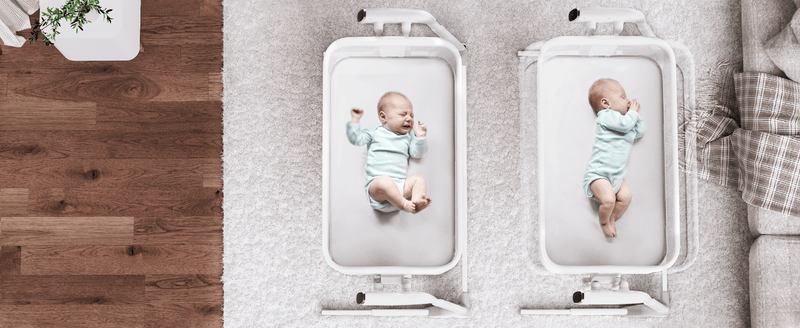
If your child struggles with self-soothing, an electric bassinet or a smart sleeper during the earlier years can establish a foundation of independent sleep. For the toddler phase, consider a smart bassinet or cradle that responds to their movements. When the child starts to fuss, the gentle, automated motion can lull them back to sleep before they reach a state of full panic.
Furthermore, a smart cradle that mimics a parent’s natural swaying motion can be the difference between a midnight meltdown and a peaceful transition back to sleep. These tools aren't "crutches"; they are supportive environments that allow a child to feel held even when you are in the next room.
6. The "Bedtime Pass": Giving the Toddler Control
Anxiety is often fueled by a feeling of powerlessness. Toddlers spend their whole day being told what to do. Giving them a small amount of "power" at bedtime can drastically reduce their resistance.
The Strategy: Give your child a physical "Bedtime Pass" (a laminated card or a special toy).
The Rule: They can use this pass once a night for anything—a glass of water, an extra hug, or one more trip to the potty.
The Reward: If they don't use the pass and keep it under their pillow until morning, they get a small reward (like a sticker). This incentivizes them to self-soothe while providing a safety net that reduces the "trapped" feeling of bedtime.
7. Creating a "Goodbye" Ritual (And Sticking To It)
Ambiguity is the enemy of a secure child. If your bedtime routine is different every night, your child’s brain stays "on alert" to see what happens next.
Predictability is Peace: A solid 20-minute routine—bath, pajamas, two books, and a song—signals to the toddler’s brain that it’s time to wind down.
The Final Phrase: Use a specific "closing phrase" every single night. For example: "I love you, you are safe, and I will see you when the sun comes up."
Never Sneak Out: This is the golden rule of separation anxiety. If you sneak out while they are drowsy, they will wake up feeling betrayed. This creates a "velcro baby" who refuses to let you leave the next night because they are afraid you will vanish again.
8. Daytime Prep: Solving the Night During the Day
What happens at 2:00 PM directly impacts 8:00 PM. Use the daylight hours to build their "separation muscles."
Play "Hide and Seek": This game is actually a powerful psychological tool. It teaches children that people disappear and then reappear, and that the "reappearing" is the fun part.
Narrate Your Movements: When you leave the room during the day, say, "I'm going to the kitchen to get a glass of water, I'll be back in one minute!" When you return, say, "See? I came back just like I said!" This builds the "Trust Muscle" that they will rely on at night.
Frequently Asked Questions (The Quick Guide)
How long does toddler separation anxiety at night last?
For most children, a peak of separation anxiety lasts between 2 to 4 weeks. However, if the routine is inconsistent or there are major life changes (like a new sibling or moving house), it can last longer. Consistency is the key to shortening this phase.
Is it okay to sleep on the floor of my toddler's room?
While it provides immediate relief, it can create a new habit that is hard to break. If you must stay, try the "Chair Method"—sit in a chair near the bed, and every night, move the chair a few feet closer to the door until you are eventually in the hallway.
When should I worry about my child's separation anxiety?
If the anxiety is accompanied by physical symptoms (like stomach aches or nightmares), or if it interferes with their ability to function during the day at preschool or playdates, consult with your pediatrician to rule out a more significant anxiety disorder.
Final Thoughts: A Phase of Deep Love
While it is exhausting to hear your child cry for you at night, remember that they are calling for you because you are their entire world. You are their safety, their comfort, and their home.
By using the right tools—from the "Bridge Technique" to a supportive smart baby crib—you can navigate this phase with grace. You aren't just "fixing sleep"; you are teaching your child that they are safe, even when they are alone, and that your love follows them even into their dreams.