Baby – by Dr. Katherine Bennett – April 29, 2026
Diaper Bag Checklist: What to Pack for Newborns, Daycare, and Travel
A well-packed diaper bag can turn a stressful outing into a much calmer one. Whether you are taking your newborn to a pediatrician appointment, preparing for the first day of daycare, or heading out for a family trip, the goal is the same: bring what your baby actually needs without carrying your entire nursery on your shoulder.
For new parents, the hardest part is knowing the difference between “essential,” “helpful,” and “probably not necessary.” Newborns need frequent diaper changes, backup clothes, feeding supplies, and comfort items. Daycare adds labeling, weekly restocking, and provider policies. Travel adds delays, unfamiliar changing spaces, and the possibility that the one thing you forgot is the one thing you need most.
This guide gives you a practical diaper bag checklist for everyday outings, newborn care, daycare, and travel, plus smarter organization tips that help you pack with confidence.
The Core Diaper Bag Checklist
Start with the basics. These are the items most parents should keep in a diaper bag for everyday outings:
Diapers: Pack one diaper for every two to three hours you will be out, plus two extras.
Wipes: Bring a travel pack or a refillable wipes pouch.
Changing pad: A foldable, wipeable pad protects your baby from public changing surfaces.
Diaper cream: Choose a travel-size tube, especially if your baby gets redness easily.
Plastic bags or wet bags: Use them for dirty clothes, used bibs, or diapers when a trash can is not nearby.
Two changes of clothes: Include a bodysuit, pants, socks, and a weather-appropriate layer.
Burp cloths: Pack one or two for spit-up, bottle drips, or quick cleanups.
Feeding supplies: Bottles, formula, breast milk, nursing cover, snacks, or baby food depending on age.
Pacifier or comfort item: Pack extras if your baby uses one.
Small first-aid pouch: Include baby-safe essentials recommended by your pediatrician.
Parent essentials: Phone, wallet, keys, water bottle, hand sanitizer, and a clean shirt if your baby spits up often.
A good diaper bag should not feel like an emergency suitcase. It should feel like a calm, organized care station that follows you wherever your baby goes.
How Many Diapers Should You Pack?
A simple formula is: one diaper for every two to three hours away from home, plus two extras. Newborns often need more frequent changes, while older babies may need fewer.
Situation
Suggested Diapers
Why It Works
Quick errand under 2 hours
2 to 3 diapers
Covers one expected change plus accidents.
Half-day outing
4 to 6 diapers
Works for feeds, naps, and unexpected delays.
Full day away
6 to 10 diapers
Better for newborns or babies with frequent bowel movements.
Daycare day
6 to 8 diapers or daycare’s requested amount
Most providers want enough for the day plus backup.
Travel day
One per 2 to 3 hours of travel, plus extras
Allows for delays, blowouts, and limited shopping access.
Newborns are unpredictable because they feed often and may poop after several feeds. For babies under three months, it is better to overpack slightly than to run out during a car ride, appointment, or flight delay.
What to Pack in a Newborn Diaper Bag
Newborn diaper bags need a little more than older baby bags because newborn care is frequent and messy. A newborn may spit up, leak through a diaper, need a full outfit change, and want to feed again sooner than expected.
Newborn Essentials
6 to 8 diapers for a half-day outing
Travel wipes
Changing pad
Diaper cream
2 to 3 full changes of clothes
2 burp cloths
Swaddle blanket or lightweight receiving blanket
Extra socks or booties
Bottles, formula, or expressed milk if needed
Nursing cover if preferred
Pacifier plus one extra
Wet bag for soiled clothes
One expert-level packing tip is to build “change kits.” Place one diaper, a few wipes, and a disposable or reusable changing liner into a small pouch. When your baby needs a change, you can grab one pouch instead of digging through the entire bag while holding a squirmy newborn.
The 3-Zone Packing Method
Many diaper bags become messy because everything is packed by category but used by situation. A more practical system is to divide your bag into three zones:
Zone 1: Diapering
This zone should be the easiest to reach. It includes diapers, wipes, diaper cream, changing pad, and waste bags. These are the items you need fast when there is a leak or blowout.
Zone 2: Feeding
This zone includes bottles, formula portions, breast milk storage, bibs, burp cloths, snacks, or baby food. Keep feeding items separate from diapering items to reduce mess and make cleaning easier.
Zone 3: Recovery
This zone includes clothes, pacifiers, comfort items, a lightweight blanket, and parent essentials. Think of it as the “reset” zone after spit-up, fussiness, or a messy accident.
This method works because diaper bag stress usually comes from time pressure. When a baby is crying or a diaper is leaking, parents do not need more items. They need faster access to the right items.
Daycare Diaper Bag Checklist
Daycare packing is different from everyday packing. Instead of preparing for a few hours, you are preparing another caregiver to care for your baby through feeding, diapering, naps, outdoor time, and unexpected messes.
Always ask your daycare for its specific policy first. Some centers want daily bags. Others prefer weekly supplies stored in a cubby. Some require all bottles, creams, clothes, and pacifiers to be labeled.
Daily Daycare Items
6 to 8 diapers, or the amount requested by your provider
Wipes, if not stored at daycare
Diaper cream, clearly labeled
2 complete outfits
Bottles with breast milk or formula, labeled and dated
Bibs and burp cloths
Pacifier, labeled if allowed
Comfort item, if permitted by daycare policy
Daily communication sheet or app notes if your center uses them
Weekly Daycare Supplies
Bulk diapers
Full pack of wipes
Extra diaper cream
Extra clothes for cubby storage
Crib sheet or sleep sack if required
Seasonal outerwear
Extra bottles or feeding accessories
Label everything with your baby’s full name. This includes bottles, bottle caps, pacifiers, clothing tags, cream, food containers, and sleep items. For breast milk or prepared formula, follow your daycare’s dating and storage rules exactly.
First Day of Daycare: What Parents Often Forget
The first daycare day can feel emotional, so it helps to prepare more than the bag. Many parents remember diapers and bottles but forget the small details that make the day smoother.
Backup clothes in the right size: Babies grow quickly, so check cubby clothes every few weeks.
Weather-appropriate layers: Outdoor time may happen even when the weather changes.
Feeding instructions: Include bottle amounts, timing, nipple flow preference, and any burping needs.
Soothing notes: Share whether your baby likes rocking, pacifiers, white noise, or a certain holding position.
Emergency contacts: Make sure phone numbers are current.
Medication forms: If your baby needs anything administered, daycare may require written authorization.
A helpful trick is to write a short “baby rhythm note” for caregivers. It can include your baby’s typical wake window, feeding pattern, nap cues, and calming signals. This gives caregivers a better starting point, especially during the first week.
Travel Diaper Bag Checklist
A travel diaper bag needs to prepare for the unexpected: traffic, flight delays, lost luggage, limited changing spaces, and a baby who may feed or sleep differently away from home.
For Car Trips
Diapers for the drive plus extras
Wipes and changing pad
Extra clothes within reach, not buried in the trunk
Burp cloths and bibs
Feeding supplies
Pacifiers or teethers
Small blanket
Trash bags or wet bags
Hand sanitizer
Baby-safe sun protection for older babies
For long drives, pack one small “front seat pouch” with a diaper, wipes, pacifier, burp cloth, and clean outfit. This keeps essentials reachable during stops without unpacking the main bag.
For Flights
Enough diapers for travel time plus delays
Wipes and changing pad
Two outfit changes for baby
One clean shirt for parent
Bottles, formula, breast milk, or baby food
Pacifier or bottle for takeoff and landing if your baby uses one
Lightweight blanket
Wet bags
Travel-size diaper cream
Baby’s health card or important medical information
For air travel, keep feeding supplies in your carry-on rather than checked luggage. In the United States, formula, breast milk, toddler drinks, and baby food may be allowed in reasonable quantities above the usual small-liquid limit, but they should be removed from your bag for screening. If you are traveling internationally, check the rules for each airport and airline before you leave.
What to Pack for Overnight Travel
Overnight trips need more than a diaper bag, but your diaper bag should still cover the travel day itself. For the rest of the trip, pack a separate baby care bag or suitcase.
Enough diapers for the first 24 hours
Extra wipes
Sleep clothes
Sleep sack or wearable blanket
Baby monitor if needed
Feeding supplies for the full stay
Bath items
Baby-safe laundry detergent for longer trips
Extra pacifiers
A familiar bedtime item if safe and age-appropriate
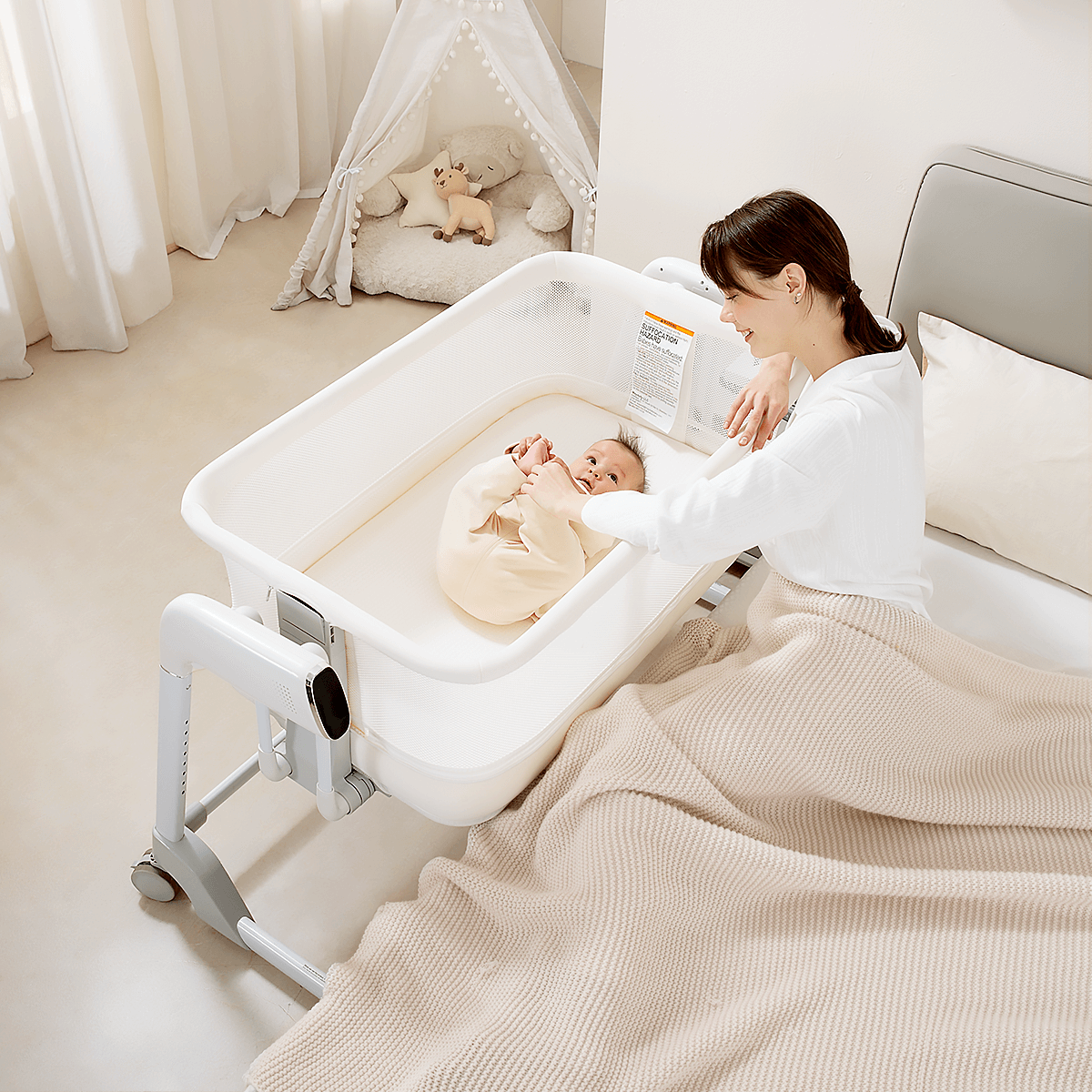
If your baby will sleep away from home, plan the sleep setup before you pack the diaper bag. A portable bassinet can be helpful for families who need a familiar, compact sleep space during short stays, but always follow safe sleep guidelines and use a firm, flat surface with no loose bedding.
How to Set Up a Diaper Bag Refill Station at Home
The best diaper bag system starts at home. If you repack from scratch every time, you are more likely to forget something. Instead, create a refill station near your main changing area.
Many families find it easier to keep diapers, wipes, creams, spare clothes, and small pouches together near a portable changing table. This lets you restock your diaper bag after each outing while the missing items are still obvious.
Your refill station can include:
A diaper bag checklist taped inside a drawer or cabinet
Current-size diapers
Travel-size wipes
Spare clothes by size
Extra pacifiers
Burp cloths
Wet bags
Travel-size diaper cream
If you use diaper changing tables with shelves or storage compartments, keep the diaper bag refill items in one dedicated basket. The easier the system is to see, the easier it is to maintain.
The “One In, One Out” Rule for Diaper Bag Maintenance
A diaper bag should be reviewed often because babies grow quickly and seasons change. The “one in, one out” rule keeps your bag current:
When you use a diaper, replace it when you get home.
When your baby outgrows a size, remove all smaller diapers and clothes.
When the weather changes, swap layers, hats, and blankets.
When your baby starts solids, add bibs, spoons, and food wipes.
When teething begins, add teethers and extra drool bibs.
This is especially important for backup clothes. Many parents discover during a blowout that the emergency outfit in the bag is two sizes too small. Set a phone reminder every two weeks to check diaper size, clothing size, and seasonal needs.
Smart Packing by Baby’s Age
Baby’s Age
What Changes in the Bag
Extra Tip
0 to 3 months
More diapers, more burp cloths, extra clothes, feeding supplies
Pack for spit-up and frequent diaper changes.
4 to 6 months
Teethers, bigger bottles, drool bibs, early solids if started
Keep extra bibs handy as drooling increases.
7 to 9 months
Snacks, sippy cup, toys, more movement-friendly clothes
Choose washable toys that can handle drops.
10 to 12 months
Finger foods, shoes, extra socks, heavier wipes use
Pack for messier meals and more active play.
What Not to Overpack
Overpacking makes the diaper bag harder to use. You do not need to carry every baby product you own. Most short outings do not require full-size lotion, multiple blankets, large toy sets, full diaper packs, or an entire medicine cabinet.
Try to keep the bag focused on needs that are likely to happen while you are out: diaper changes, feeding, spit-up, temperature changes, and soothing. The more clearly each item earns its place, the easier the bag is to carry and use.
Safety and Hygiene Tips for Diaper Bag Packing
A diaper bag holds feeding items, dirty clothes, diaper supplies, and personal belongings, so hygiene matters. Use separate pouches whenever possible.
Keep clean bottles and pacifiers away from diapering supplies.
Use a wet bag for soiled clothing.
Wash reusable changing pads regularly.
Replace old snacks before they expire.
Clean the inside of the diaper bag weekly.
Use sealed containers for formula, food, and small accessories.
At home, a foldable changing table can help keep diapering supplies separate from feeding and sleep items, especially in smaller spaces where one room serves many purposes.
Final Diaper Bag Checklist
Use this quick checklist before you leave home:
Diapers
Wipes
Changing pad
Diaper cream
Waste bags or wet bag
Two outfit changes
Burp cloths
Bottles, formula, breast milk, snacks, or baby food
Bibs
Pacifier or teether
Light blanket or layer
Hand sanitizer
Parent essentials
Daycare labels, forms, or notes if needed
Travel documents or health information if needed
Final Thoughts
The best diaper bag is not the fullest one. It is the one that fits your baby’s age, your outing, and your routine. Newborns need more diapers, clothes, and feeding supplies. Daycare requires labeling, restocking, and clear communication. Travel requires backup plans for delays and unfamiliar spaces.
Once you build a simple system, packing becomes less stressful. Restock after each outing, review the bag every couple of weeks, and organize supplies by situation instead of stuffing everything into one pocket. A little preparation can make everyday care feel smoother for both you and your baby.
FAQ: Diaper Bag Checklist for Newborns, Daycare, and Travel
What should I always keep in a diaper bag?
You should always keep diapers, wipes, a changing pad, diaper cream, waste bags, extra clothes, burp cloths, feeding supplies, and a comfort item if your baby uses one. Add parent essentials such as keys, wallet, phone, water, and hand sanitizer.
How many diapers should I pack in a diaper bag?
Pack one diaper for every two to three hours away from home, plus two extras. For newborns, pack more because they often need frequent changes and may have unexpected leaks or blowouts.
What should I pack in a newborn diaper bag?
For a newborn, pack diapers, wipes, diaper cream, a changing pad, two or three outfits, burp cloths, swaddle blanket, feeding supplies, pacifier, and a wet bag. Newborns often need more backup clothing and burp cloths than older babies.
What should I send to daycare every day?
Most babies need diapers, wipes, diaper cream, labeled bottles, extra clothes, bibs, burp cloths, and any comfort item allowed by the daycare. Ask your provider for exact rules because each center may have different requirements.
How should I label daycare items?
Label bottles, caps, food containers, pacifiers, clothing, diaper cream, sleep items, and bags with your baby’s full name. For milk, formula, or food, include the date if your daycare requires it.
What should I pack for baby travel?
For baby travel, pack diapers for the travel time plus delays, wipes, changing pad, extra clothes, feeding supplies, pacifiers, wet bags, burp cloths, a light blanket, and important health or travel documents. Keep essentials in your carry-on or within reach.
Can I bring breast milk, formula, or baby food on a plane?
In the United States, breast milk, formula, toddler drinks, and baby food may be allowed in reasonable quantities above the usual small-liquid limit. Remove them from your bag for screening and check international rules before traveling outside the country.
How often should I repack my diaper bag?
Restock after every outing and review the full bag every two weeks. Check diaper size, clothing size, weather layers, feeding needs, and expired snacks so the bag stays useful as your baby grows.