Baby

Birthmarks

Birthmarks

What is a Birthmark?   Birthmarks are markings that appear on the surface of a baby's skin at birth or within the first year of life. They can be dark or light in color, ranging from blue, brown, or red. Some birthmarks are raised, while others are flat, and they can appear in various locations on the baby's body. While some fade away, others are permanent.   What are the Causes of Birthmarks?   There is no definitive scientific study that explains why birthmarks develop. However, it is important to point out that birthmarks are not caused by something the mother ate or didn’t eat during pregnancy, as is commonly misunderstood. This misconception is not supported by research, so mothers can feel free to eat normally during pregnancy without concern.   What are the Types of Birthmarks?   Birthmarks can be mainly classified into pigmented birthmarks and vascular birthmarks.   Pigmented Birthmarks are caused by an overgrowth of pigment-producing cells in the skin.   Vascular Birthmarks result from abnormal blood vessel formation, where there are either too many blood vessels or they are wider than normal.   Pigmented Birthmarks   - Milk Coffee Spots: Named for their resemblance to milk coffee, these spots may increase in number or size with age. If the number of spots exceeds six or they are larger than a coin, seek medical help immediately, as this may affect your child's health.   - Mongolian Spot: Usually found in individuals of Asian descent, this birthmark is blue-grey in color and typically disappears as the baby grows.   - Mole: These are visible pigmented spots, typically brown or black, and can sometimes have hair or be raised. Depending on their size, they can affect your baby in different ways. Larger moles have a slight risk of transforming into skin cancer later in life, although this is relatively uncommon.   Vascular Birthmarks   - Salmon Spots (Angel's Kisses or Stork Bites): These birthmarks are typically located on the eyelids, forehead, back of the neck, top of the head, under the nose, and lower back. They darken in color when the baby cries but will usually disappear as the baby gets older.   - Wine-Colored Birthmarks: Often found on the face, neck, arms, or legs, these spots vary in size but tend to increase in size as the child grows. They usually darken over time and do not disappear, though they do so at a slower rate.   - Hemangiomas: Hemangiomas can be superficial (‘strawberry’) when they are on the surface of the skin, deep when they are below the surface, and compound when they affect both layers. They may be slightly raised and bright red, and usually do not appear until a few days or weeks after birth. Deeper hemangiomas may look blue due to blood vessels deep in the skin. Hemangiomas typically grow rapidly around six months after birth. If treatment is needed, discuss options with your baby's doctor as early as possible.   Can Birthmarks be Treated?   Some birthmarks fade away on their own, while others can be treated with methods such as laser therapy. However, they may recur, and larger pigmented moles are not always easy to remove.   Generally speaking, birthmarks do not have a significant impact on a baby's health and most are harmless. They are essentially a unique mark for your baby, adding to their individuality. However, birthmarks on visible areas such as the face may attract attention and cause discomfort for the child over time. Discussing treatment options with your doctor early on is a good approach, and maintaining open communication with your child about their unique mark is important for their emotional well-being.   References: Kidshealth, (January 2021), Birthmarks https://kidshealth.org/en/parents/birthmarks.html Nick Nguyen, (November 3, 2019), Baby Birthmarks & Rashes https://www.healthychildren.org/English/ages-stages/baby/bathing-skin-care/Pages/Your-Newborns-Skin-Birthmarks-and-Rashes.aspx American Academy of Dermatology Association, Birthmarks: Who gets and causes https://www.aad.org/public/diseases/a-z/birthmarks-overview     Disclaimer: The information on our site is NOT medical advice for any specific person or condition. It is only meant as general information. If you have any medical questions and concerns about your child or yourself, please contact your health provider.

Read more

7 Facts about September Baby

7 Facts about September Baby

September is the Most Popular Month According to statistics, September has the highest number of babies born, particularly on September 9th, when more babies are born than at any other time of the year. Why does this happen? If we look back ten months, it's possible that during the winter holidays, parents were spending more time together, which might explain the increase in births. September is Actually July The name September comes from the Latin word ‘Septem’, meaning seven. Originally, September was the seventh month of the Roman calendar, which began in March. In 153 BC, the calendar was adjusted to include January and February, making September the ninth month. However, its name remained the same. September Babies Have Two Very Representative Personalities Babies born in September fall under the zodiac signs Virgo (August 23 - September 22) and Libra (September 23 - October 22). Virgos are known for their efficiency and discipline, while Libras are celebrated for their romantic and charming nature. Both signs have innate charms. Coloured Sapphires are Their Birthstone The fact is sapphires are not necessarily blue. While blue is the traditional color, sapphires can also be yellow, green, and other colors. Sapphires represent wisdom and strength. Ancient Greece and Rome believed that sapphires had the power to resist jealousy and harm. Birth Flowers Associated with September Asters and petunias are the birth flowers for September. The aster is derived from the Greek word for “little star,” which is quite endearing, while the petunia is also star-associated, with its star-shaped center. They’ll Do Well at School Don’t worry too much, some studies suggest that September-born children are 20% more likely to get into elite schools, possibly due to their older age relative to their classmates. They Are More Prone to Asthma This is an important point to consider. A study by Vanderbilt University found that those born in the autumn are 30% more likely to suffer from asthma. Researchers believe this is because babies born before winter are more susceptible to colds and viral infections. References: Jeremy Laurence, (November 1, 2011), Happiest babies are born in September https://www.independent.ie/life/family/mothers-babies/happiest-babies-are-born-in-september/26787727.html Catherine de Lange, (July 12, 2012), Autumn babies more likely to hit 100 https://www.newscientist.com/article/dn22054-autumn-babies-more-likely-to-hit-100/

Read more

How Can I Tell If I’m Pregnant with a Boy or a Girl?

How Can I Tell If I’m Pregnant with a Boy or a Girl?

So, you’re curious about whether you’re having a boy or a girl before your ultrasound? While the most reliable method is an ultrasound around 20 weeks into your pregnancy, there are some theories out there that people use to guess. Let’s take a look at some of these fun methods:   1. Nausea and Breast Tenderness There’s a theory that if you’re feeling really nauseous and your breasts are extra tender, you might be having a girl. This idea comes from a Stanford study suggesting that higher estrogen levels, which can be associated with carrying a girl, might lead to these symptoms.   2. Melasma and Skin Changes Another fun theory is that if you’re noticing dark patches on your skin or stretch marks, you might be having a boy. Johns Hopkins researchers suggest that higher testosterone levels, which could be linked to a baby boy, might cause these skin changes. 3. Food Cravings: Here’s a tasty theory: if you’re craving sweets, it might mean you’re having a girl. On the flip side, if you’re all about salty snacks, it could suggest a boy. Some say these cravings are influenced by your hormonal changes. However, cravings are pretty personal and can vary a lot, so don’t bet the nursery decor on this one. 4. Morning Sickness and hCG Levels: If you’re dealing with severe morning sickness, some say it could mean you’re having a boy. This idea comes from a Harvard study linking high levels of human chorionic gonadotropin (hCG) with more intense nausea, and higher hCG might be associated with a boy. 5. Changes in Hair and Acne Lastly, if you’re experiencing more acne, some believe it’s a sign you’re carrying a boy, since higher androgen levels might be to blame. On the other hand, shinier, healthier hair could be linked to higher estrogen levels, possibly pointing to a girl.   While these theories are fun to think about, they’re not really reliable. The most accurate ways to find out your baby’s sex are through an ultrasound, usually around 20 weeks, or through genetic testing. Enjoy the guessing game, but trust the science for the real answer!   References: Marisa lallonardo, ( November 30, 2023), Myth or Fact: Can You Tell If You're Pregnant with a Boy or Girl? https://expectful.com/articles/signs-pregnant-boy-vs-girl Olivia Cassano, (January 2, 2019), Pregnancy signs and symptoms that you’re having a boy or a girl https://flo.health/pregnancy/pregnancy-health/prenatal-testing/early-signs-of-your-baby-sex Sarah Williams, (February 3, 2022), 8 Scientific Signs That You're Having a Boy or a Girl https://www.whattoexpect.com/pregnancy/predicting-sex-of-baby Becky Harrington, (April 3, 2024), Boy or girl – 31 signs during pregnancy https://www.madeformums.com/pregnancy/boy-or-girl-what-are-the-signs-during-pregnancy/ Anisa Arsenault, (February 14, 2017), Boy or Girl? Your Pregnant Body Will React Differently https://www.thebump.com/news/pregnancy-immune-system-baby-gender     Disclaimer: The information on our site is NOT medical advice for any specific person or condition. It is only meant as general information. If you have any medical questions and concerns about your child or yourself, please contact your health provider.

Read more

When Can Babies Start Drinking Water and How Much Do They Need?

When Can Babies Start Drinking Water and How Much Do They Need?

Different parents may have varying opinions on breastfeeding or formula feeding, but there is a clear standard for water intake. The amount of water an infant needs varies at different stages. Both excessive and insufficient water intake can cause problems, so it’s important to understand when to start and how much water is appropriate for infants.   When Is the Right Time to Start Drinking Water for Infants?   For infants, it's generally recommended to start introducing water at around six months of age. At this stage, they begin consuming solid foods in addition to breast milk or formula. Why six months? Before this time, breast milk or formula provides sufficient hydration, and introducing water too early can dilute essential nutrients, potentially leading to electrolyte imbalances and even seizures.   By six months, as the baby’s diet expands to include complementary foods, introducing water can help prevent issues like constipation. This is also a time when the baby’s nutritional needs shift, making it appropriate to start incorporating water into their diet.   How Much Water Does a Baby Need?   Before six months, babies do not need additional water beyond what they get from breast milk or formula. After six months, they should consume between four and eight ounces of water per day, which can be provided alongside their solid foods. It is not necessary to supplement with water throughout the day. Between twelve and twenty-four months, babies can drink between 8 and 32 ounces of water per day. The amount can be gradually increased as the child grows. Some experts suggest adding one more cup of water for each year of age; for example, a two-year-old might drink two cups, and a three-year-old three cups.   Signs of Dehydration and Excessive Water Intake   Dehydration: - Fewer than six wet diapers a day - Fewer tears when crying - Fewer bowel movements - Extreme lethargy - Cold hands and feet - Sunken eyes and wrinkled skin   Excessive Water Intake: - Abnormally clear or pale urine - Swollen face - Hypothermia - Seizures - Frequent diaper changes (more than eight a day)   References: WebMD Editorial Contributors, (October 8, 2023), What You Need to Know About Water for Infants https://www.webmd.com/parenting/baby/what-you-need-to-know-water-infants Özge Karakaya Suzan et al, (Jun 30,2023), Water consumption in 0-6-month-old healthy infants and effective factors: A systematic review https://www.ncbi.nlm.nih.gov/pmc/articles/PMC10506693/ Karen Veazey, (September 13, 2022), When can babies have water? https://www.medicalnewstoday.com/articles/when-can-babies-have-water Pregnancybirthbaby, (October 2022), When can babies drink water? https://www.pregnancybirthbaby.org.au/when-can-babies-drink-water   Disclaimer: The information on our site is NOT medical advice for any specific person or condition. It is only meant as general information. If you have any medical questions and concerns about your child or yourself, please contact your health provider.

Read more

25 Summer Baby Names for your angle

25 Summer Baby Names for your angle

Summer is the perfect time to anticipate the arrival of your baby. However, choosing a name can be challenging with so many options available. If you’re struggling to find the perfect name, here, we’ve gathered a list of suggestions for you. This collection includes 25 names inspired by summer flowers, names that evoke the sea and light, and other names related to summer.   Girl names: Iris This flower name is rooted in mythology: Iris is a Greek goddess of rainbows. Isla This name origin Scottish and Spanish meaning ‘island’. Olivia Olivia balance the strength and femininity. It is also the most popular name around world. Sienna Sienna origin Italy, it means orange red. Delphine Delphine means dolphin and the delphinium, a bluebell-like flower, as well as a link to the ancient city of Delphi, which the Greeks believed to be the womb of the earth. Meadow A lovely Old English word for "pasture" or "land under grass," Meadow evokes the height of summer.   Willow It is an ancient tree, and this name with the magical power shows in literature from Shakespeare to Harry Potter. Clover Clover origin old English. It means key and gradually becomes a new trendy name in celeb. Xanthe Xanthe means golden and yellow, this special name pronunciation is Zan-thee. Saffron It is the Spice name, belonging to a precious spice derived from the crocus. Suvi Suvi means summer in the Finnish. Kailani Kailani is a beautiful Hawaiian name created by compounding two Hawaiian words, meaning "ocean and sky." Rae Rae is another form of Ray – as in a ray of sunshine – and a nickname for the Hebrew name Rachel, meaning "ewe."   Boy names: Caspian Caspian is a geographical name referring to the large salty sea between Asia and Europe. Cyrus Cyrus means sun, it sits in that comfortable place between too popular and too unusual.  Zephyr It is a name from mythology: Zephyrus/Zephyr was the Greek god of the west wind. Arun Arun is derived from Aruna, which means "dawn" in Sanskrit. In Hindu tradition, Aruna is the chariot driver for Surya, the sun god. Malik Malik means "king" in Arabic and "wave" in Greendlandic. With poetic license, Malik is the "wave king." Wade Wade is a legendary sea giant said to dwell in the North and Baltic Sea. This Old English word means "ford," as in a "shallow spot in the river." It also means "to go." Beckett Beckett means bee hive, little brook or bee cottage. River River shares the tranquil feeling of all the water names.   Reed Reed means red hair, it is a slim, elegant, silvery surname. Sylvan Sylvan means wood and forest and is the sleek German and Dutch form Leo Leo is the Latin word for "lion," as well as being a summer zodiac sign for babies born from late July to late August. According to the zodiac, Leos are ruled by the sun. Lucien Lucien is derived from the Latin name Lucius, which itself is rooted in lux, a Latin word meaning "light."   Reference: https://nameberry.com/

Read more

Navigating ADHD: Understanding Symptoms and Solutions

Navigating ADHD: Understanding Symptoms and Solutions

What is ADHD? ADHD, or Attention Deficit Hyperactivity Disorder, is a developmental condition that affects the brain’s ability to regulate attention and control impulses. What are the Main Signs of ADHD? The signs of ADHD can vary widely from child to child, but they are generally categorized into three main groups: Inattention: Difficulty concentrating, easily distracted, and making careless mistakes. Common signs include: Losing things frequently Forgetfulness Trouble completing tasks Getting easily distracted Making careless mistakes Not seeming to listen Impulsivity: Acting without thinking and interrupting others. Common signs include: Fidgeting Squirming Difficulty sitting still for quiet tasks Running or climbing at inappropriate times Talking excessively or interrupting others Hyperactivity: Excessive energy and difficulty remaining still. Common signs include: Difficulty falling asleep Being overactive Talking too much Typically, ADHD is diagnosed when a child exhibits more than six symptoms from these categories in at least two settings, such as school and home. What Causes ADHD?  The exact causes of ADHD are not fully understood, and while some people suggest food additives and sugar may play a role, this is not supported by evidence. Recognized causes include: Alcohol consumption or smoking during pregnancy Exposure to certain environmental risks during pregnancy (e.g., lead) Premature birth Brain damage (including abnormalities in neurotransmitters or infections) Low birth weight (less than 3 pounds) What Can We Do About It? Medication  Psychostimulants can be effective in managing ADHD symptoms. Consult with your doctor to determine the best treatment plan for your child. Behavior Modification  Alongside medication, adjusting parenting practices can help manage ADHD. Consider the following strategies: Ensure your child gets the appropriate amount of sleep for their age. Monitor for signs of hyperactivity and intervene when necessary. Keep playtime and social interactions brief to help your child maintain self-control. Communicate with your child's teachers and school administrators about their ADHD. They can provide support and help you navigate any special care needed. Encourage regular exercise (30-60 minutes a day) to help manage symptoms. Reference:NHS, (24 December,2021), Symptoms-Attention deficit hyperactivity disorder (ADHD)https://www.nhs.uk/conditions/attention-deficit-hyperactivity-disorder-adhd/symptoms/Zilpah Sheikh, (November 15, 2023), ADHD in Children: Symptoms, Causes, Treatment   https://www.webmd.com/add-adhd/childhood-adhd/adhd-childrenChadd, Parenting a Child with ADHDhttps://chadd.org/for-parents/overview/Melinda Smith, (February 5, 2024), ADHD testing and diagnosis: What you need to knowhttps://www.helpguide.org/articles/add-adhd/diagnosing-attention-deficit-disorder-adhd.htmStephen Brian Sulkes, (Apr 2024), Attention-Deficit/Hyperactivity Disorder (ADHD)https://www.merckmanuals.com/home/children-s-health-issues/learning-and-developmental-disorders/attention-deficit-hyperactivity-disorder-adhd?query=ADHDDisclaimer: The information on our site is NOT medical advice for any specific person or condition. It is only meant as general information. If you have any medical questions and concerns about your child or yourself, please contact your health provider.

Read more

7 Fascinating Facts About August Babies

7 Fascinating Facts About August Babies

The name August originates from the great Roman emperor Augustus, bestowed in honor of his military victory in conquering Egypt in August. As the last month of summer, August brings many interesting traits to babies born during this time. Here are seven facts you might find intriguing: They Are Either Leo or Virgo  Babies born in August have zodiac signs of either Leo (July 23 - August 22) or Virgo (August 23 - September 22). Leos are known for their natural leadership and charisma. Presidents Bill Clinton and Barack Obama are Leos, showcasing the sign’s natural presidential qualities. Virgos, in contrast, are known for their neatness, organization, and logical approach. They are pragmatic and kind, though sometimes seen as picky. Michael Jackson was a Virgo, known for his meticulous nature. August Birthstones Are Unique    The birthstones for August are peridot and spinel. Peridot, symbolizing the tears of Pele, the volcano goddess, was considered a national treasure in ancient Egypt. It is believed to ward off evil spirits and protect against harmful energies. Spinel, renowned for its calming properties, is famously featured in the British Crown Jewels and is known to promote inner peace and concentration. August Birth Flowers Have Their Own Stories    The birth flowers for August are gladiolus and poppy. Gladiolus symbolizes perseverance and wasfamously worn by ancient Roman gladiators. The poppy, associated with remembrance and resurrection, is worn to honor soldiers who died in war. August Babies Are Likely to Be Tall  Studies suggest that babies born in August tend to be taller. This may be due to their mothers receiving more sunlight during pregnancy, which increases Vitamin D levels and contributes to their height. August Babies Have an Optimistic Outlook  The positive effects of sunlight might contribute to a more optimistic and positive outlook. August-born babies are often less likely to experience depression and sadness, enjoying a mindset filled with optimism and a sense of good fortune. August Babies Are Natural Athletes  Due to their active nature and love for outdoor activities, many August-born individuals excel in sports and physical pursuits. Their competitive spirit and enjoyment of physical challenges are notable traits. August Is Filled with Quirky Holidays There are several fun and quirky holidays in August that you might want to celebrate: Spider-Man Day (August 1), Sandcastle Day (August 3), National Lazy Day (August 10), Melon Day (August 11), and La Tomatina (August 31).   References:Felix R. Day, (October 12, 2015), Season of birth is associated with birth weight, pubertal timing, adult body size and educational attainment: a UK Biobank studyhttps://www.cell.com/heliyon/fulltext/S2405-8440(15)30241-3Americangemsociety, (August 2, 2021), Everything You Need to Know About the Spinel Gemhttps://www.americangemsociety.org/everything-you-need-to-know-spinel-gem/McKenzie Jean-Philippe, (July 28, 2020), 45 Famous Leo Celebrities to Wish Happy Birthday This Zodiac Seasonhttps://www.oprahdaily.com/entertainment/g33394742/leo-celebrities-list/McKenzie Jean-Philippe, (July 28, 2020), Celebrities Whose Star Sign Is Virgo https://people.com/celebrity/celebrities-who-are-virgos/ Dictionary, (August 1, 2021), Which Overachiever Is August Named For? https://www.dictionary.com/e/august/Gardenia. August birth flower: what is my birth flower?https://www.gardenia.net/guide/august-birth-flower-what-is-my-birth-flower Disclaimer: The information on our site is NOT medical advice for any specific person or condition. It is only meant as general information. If you have any medical questions and concerns about your child or yourself, please contact your health provider.

Read more

Understanding SIDS: A Silent Concern for Infant Health

Understanding SIDS: A Silent Concern for Infant Health

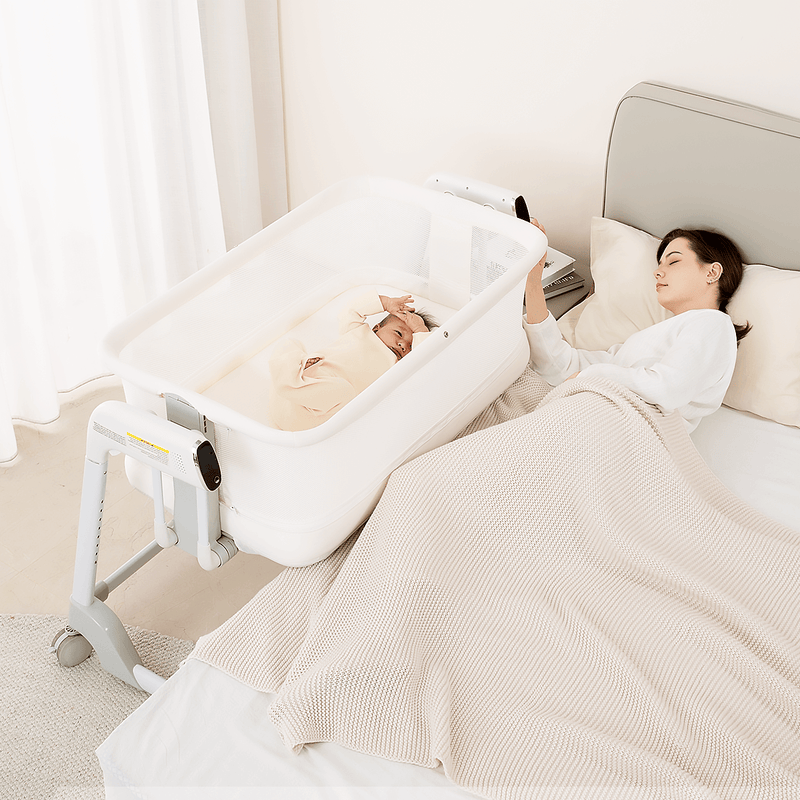
Sudden Infant Death Syndrome (SIDS) remains a significant cause of unexpected infant mortality in the United States, though its incidence has decreased since the late 20th century. It is responsible for a portion of sudden infant deaths, alongside accidents and unexplained causes. SIDS typically affects infants up to six months old, with the highest risk occurring between two to four months. Boys are more susceptible than girls. What’s the reason? The exact cause of SIDS is still unknown, but several risk factors have been identified. Premature birth, low birth weight, and certain prenatal factors may increase vulnerability. Environmental factors also play a crucial role: Exposure to secondhand smoke Co-sleeping with parents Sleeping with soft bedding, pillows, or plush toys Overheating due to excessive clothing or room temperature Sleeping on soft surfaces like couches or armchairs How to prevent? Reducing the risk of SIDS involves several proactive steps: Back to Sleep:Always place infants on their back for sleep, which significantly reduces the risk of SIDS. This practice should continue throughout the first year of life. Smoke-Free Environment:Keep the baby away from cigarette smoke and do not allow smoking inside the home or around the baby. Regular Check-ups:Attend prenatal care appointments and ensure regular health check-ups for the baby to monitor growth and development. Safe Sleeping Environment:Use a firm mattress in a safety-approved crib or bassinet. Avoid loose bedding, pillows, and soft toys in the sleep area. Maydolly's Smart Cradle is one such product, featuring an air-fiber mattress that enhances breath ability and reduces weight. Additionally, all four sides of the crib are designed with breathable mesh, providing ample room for your baby to breathe comfortably. The bassinet is equipped with an automatic rocking function and cry detection capabilities. When it detects the baby crying, it automatically begins rocking to soothe the baby, allowing both baby and parents to enjoy a restful sleep. While the exact causes of SIDS remain elusive, adhering to safe sleep practices significantly reduces its occurrence. By educating caregivers and parents about these preventive measures, we can work towards reducing the incidence of SIDS and ensuring the safety and well-being of infants.   References: NHS.(27, October,2021).Sudden infant death syndrome (SIDS) https://www.nhs.uk/conditions/sudden-infant-death-syndrome-sids/ CDC.(March 8, 2023).SUID AND SIDS-Data and Statistics CDC.(November, 9, 2023).SUID AND SIDS-About SUID and SIDS American Academy of Pediatrics.(August, 21, 2023).Safe Sleep https://www.aap.org/en/patient-care/safe-sleep/ Elana Pearl Ben-Joseph(July,2022)Sudden Infant Death Syndrome (SIDS) https://kidshealth.org/en/parents/sids.html Mayoclinic. (July, 19, 2023).Sudden infant death syndrome (SIDS) https://www.mayoclinic.org/zh-hans/diseases-conditions/sudden-infant-death-syndrome/symptoms-causes/syc-20352800   Disclaimer: The information on our site is NOT medical advice for any specific person or condition. It is only meant as general information. If you have any medical questions and concerns about your child or yourself, please contact your health provider.

Read more