Packing your hospital bag can feel exciting, emotional, and a little overwhelming. You want to feel prepared for labor, delivery, recovery, and your baby’s first ride home, but you also do not want to drag three suitcases into the hospital for a short stay.
The best hospital bag is not the biggest one. It is a practical, well-organized bag that gives you quick access to what you truly need: documents, comfort items for labor, recovery clothes, basic toiletries, baby’s going-home essentials, and support-person supplies.
This guide breaks down what to pack for labor and delivery, what your baby needs, what your partner or support person should bring, and what you can usually skip. You will also find a simple packing system to help you avoid overpacking while still feeling ready.
When Should You Pack Your Hospital Bag?
A good time to pack your hospital bag is around 36 to 37 weeks of pregnancy. If your provider has told you that you may deliver early, or if you are having a scheduled birth, prepare it sooner.
You do not need every last item packed weeks in advance. Items like your toothbrush, glasses, phone, charger, and daily medication may stay in regular use until the day you leave. The key is to have the main bag ready, visible, and easy to grab.
The 3-Bag System: The Easiest Way to Stay Organized
Instead of stuffing everything into one large bag, use a simple three-part system:
| Bag | Purpose | What Goes Inside |
|---|---|---|
| Labor Bag | Items you need during labor and delivery | Documents, charger, socks, lip balm, hair tie, water bottle, snacks for support person |
| Recovery Bag | Items you need after birth | Loose clothes, nursing bra, toiletries, shower slides, postpartum comfort items |
| Baby & Going-Home Bag | Items for baby’s hospital stay and ride home | Coming-home outfit, blanket, car seat, pediatrician information |
This system works because labor, recovery, and discharge are different moments. You do not want to dig through baby clothes while looking for your ID, and you do not want your support person searching through toiletries while you need lip balm during contractions.
Hospital Bag Checklist for Labor
Labor can be unpredictable. Some parents spend many hours in the hospital before delivery, while others move quickly into active labor. Pack items that help with comfort, communication, and basic needs.
Must-Have Labor Items
- Photo ID
- Insurance card
- Hospital registration forms, if required
- Birth plan, if you have one
- Phone and extra-long charger
- Comfortable non-slip socks
- Hair ties or soft headbands
- Lip balm
- Glasses, contact case, and solution if needed
- Reusable water bottle
- Small snacks for your partner or support person
- Any medications approved by your provider
Comfort Items for Labor
- A soft robe or cardigan
- Massage tool or tennis ball for back pressure
- Small fan
- Playlist and earbuds
- A familiar pillow with a colored pillowcase
- Unscented lotion if you prefer massage
One often-missed detail is sensory comfort. During labor, bright lights, strong scents, noise, and physical discomfort can feel more intense. Pack items that help create a calmer environment without bothering medical staff: dimmable headphones, soft socks, a familiar pillow, and scent-free personal care products.

Hospital Bag Checklist for Baby
Newborns do not need a full suitcase at the hospital. Most hospitals provide diapers, wipes, receiving blankets, and basic newborn care items during your stay. Your baby mainly needs a safe way home and a few personal items.
Baby Essentials
- Installed infant car seat
- Going-home outfit
- Backup outfit in a different size
- Baby hat, if appropriate for the weather
- Swaddle or receiving blanket for photos or the ride home
- Warm outer layer if it is cold outside
- Pediatrician’s contact information
Bring two outfit sizes if you are unsure how big your baby will be. A newborn outfit may fit perfectly, but some babies need 0–3 month clothing right away. Choose outfits that are simple to put on, comfortable, and car-seat friendly.
What Your Partner or Support Person Should Pack
Your support person needs their own small bag. Labor can be long, and postpartum stays may include at least one overnight.
- Phone and charger
- Change of clothes
- Toiletries
- Snacks and water bottle
- Any needed medications
- Wallet and ID
- Comfortable layers
- Book, tablet, or quiet entertainment
- Camera, if not using a phone
Support-person snacks matter more than many people realize. If your partner has to leave for food at the wrong moment, they may miss important updates or emotional support moments. Choose shelf-stable snacks that are not messy or strongly scented.
What to Skip in Your Hospital Bag
Overpacking makes the hospital room harder to manage and gives you more to unpack when you get home. In most cases, you can skip these items:
- Large packs of diapers and wipes
- Multiple baby blankets
- Too many newborn outfits
- Pre-pregnancy jeans or tight clothing
- Large makeup kits
- Expensive jewelry or valuables
- Candles or strong fragrances
- Bulky baby gear
- Lots of books or heavy entertainment items
- Full-size toiletries
You should also skip anything that creates extra work. If an item will need washing, organizing, charging, folding, or carrying back home without giving you real comfort, it may not deserve a place in the bag.
Ask Your Hospital Before You Pack
Every hospital is different. Before packing, call or check your hospital’s birth center information to ask what they provide.
Ask about:
- Diapers and wipes
- Postpartum pads
- Disposable underwear
- Peri bottle
- Baby blankets and hats
- Formula and bottles
- Breast pump availability
- Visitor policies
- Food and snack rules during labor
- Parking and check-in instructions
This one phone call can reduce your packing list dramatically. It also helps you avoid surprises, especially if hospital policies have changed.

Smart Packing Tips for Labor and Delivery
Use Clear Pouches
Put documents, toiletries, baby clothes, chargers, and postpartum items in separate pouches. Label them clearly. This helps your partner find items without asking you where everything is during labor.
Pack by Moment, Not by Category
Instead of one pouch for all clothes and one pouch for all toiletries, pack by when you need things:
- Check-in pouch: ID, insurance card, hospital forms, birth plan
- Labor pouch: lip balm, hair tie, socks, charger, earbuds
- First shower pouch: toiletries, shower slides, fresh clothes
- Going-home pouch: baby outfit, parent outfit, blanket
This reduces searching at exactly the moments when everyone is tired.
Leave a Last-Minute List on Top
Some items cannot be packed early. Place a sticky note or small checklist on top of your bag with last-minute reminders:
- Phone
- Phone charger
- Glasses
- Medication
- Toothbrush
- Wallet
- Water bottle
Preparing the Home Before You Leave
A hospital bag prepares you for birth, but your home setup prepares you for the first week back. Before your due date, create a simple care area for feeding, sleep, and diaper changes.
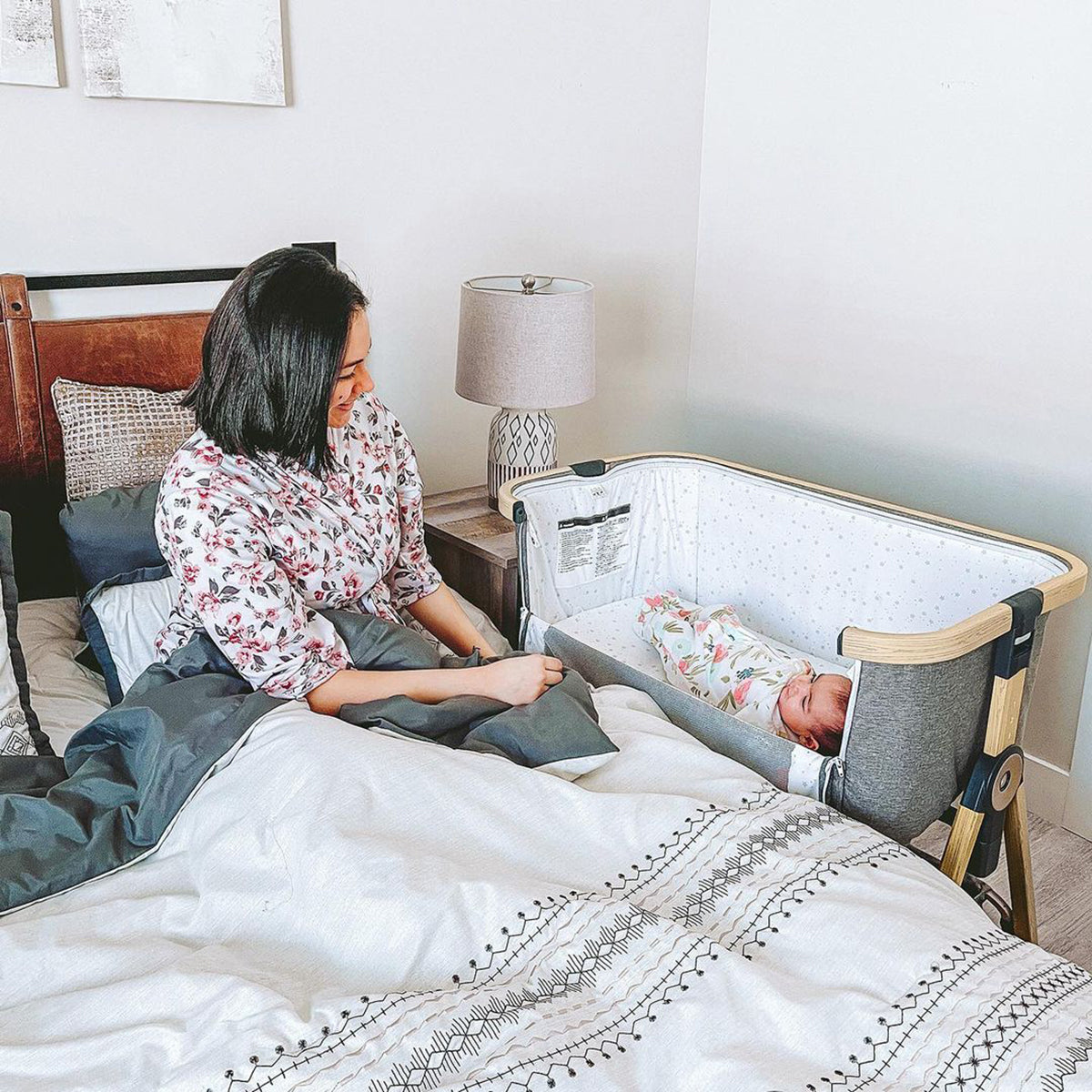
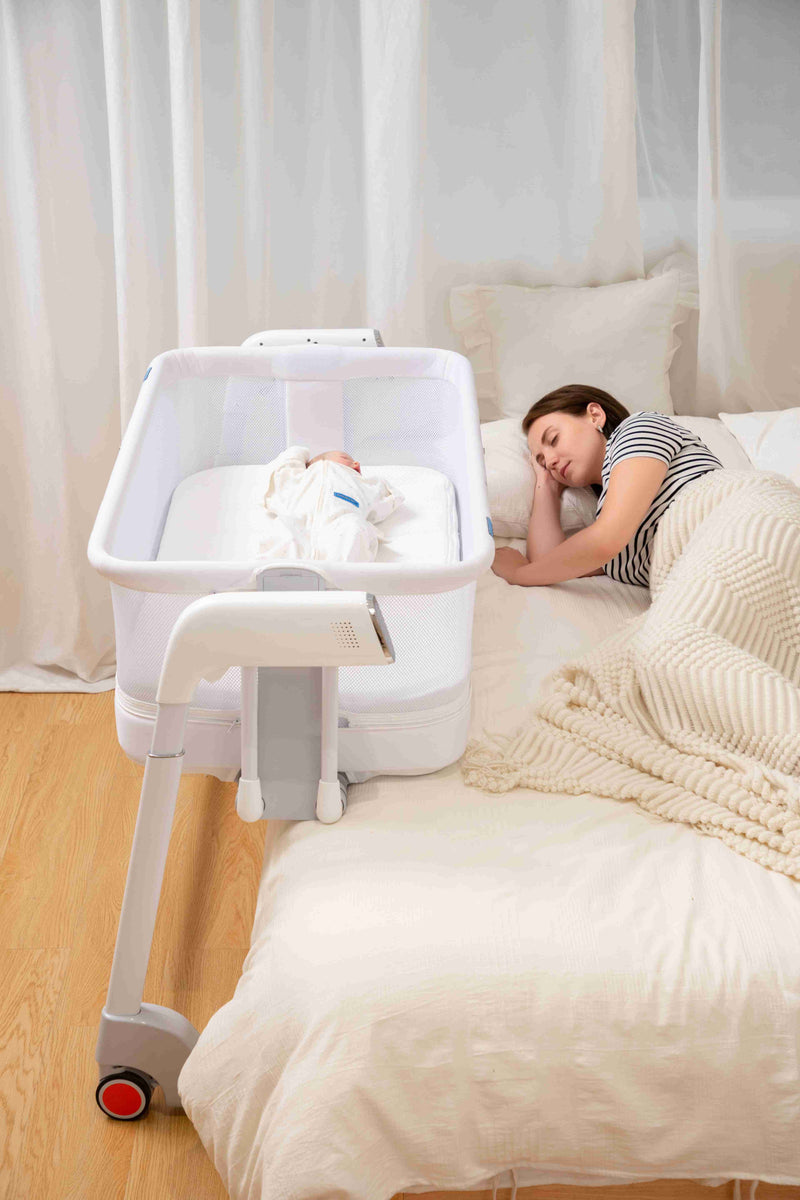
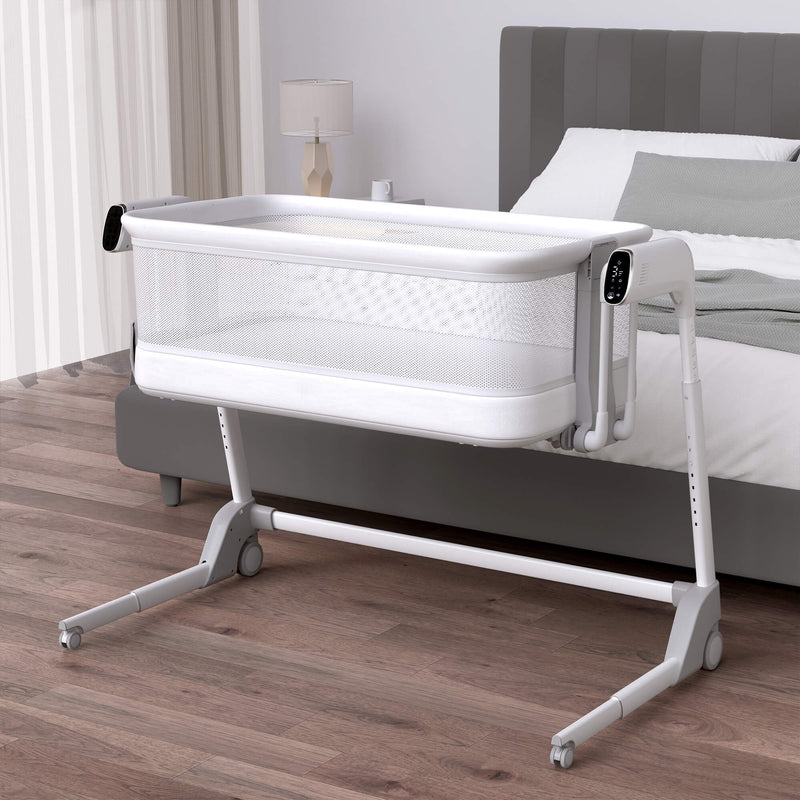
Many parents like having a safe newborn sleep space ready before delivery. A smart baby crib can help keep your baby close during early recovery, especially when nighttime feeds are frequent.
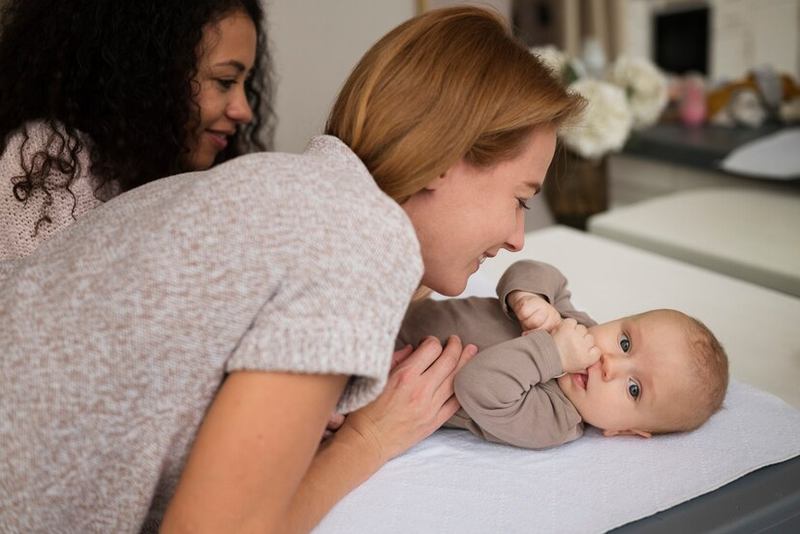
It is also helpful to prepare a diaper-changing zone before you go to the hospital. A portable changing table can keep diapers, wipes, cream, and clean clothes within reach during the first days home, when walking around may feel harder than expected.
If you want one sleep solution that can support bedside rest and everyday newborn care, a 3 in 1 bassinet crib can be part of your at-home recovery setup. For diaper organization, diaper changing tables with storage can help prevent late-night searching when you are tired.
Mini Checklist: What to Pack
| Category | Pack These |
|---|---|
| Documents | ID, insurance card, hospital forms, birth plan |
| Labor Comfort | Socks, lip balm, hair ties, charger, water bottle, robe |
| Recovery | Loose clothes, nursing bra, toiletries, shower slides, going-home outfit |
| Baby | Car seat, going-home outfit, backup outfit, blanket, pediatrician information |
| Support Person | Clothes, toiletries, snacks, charger, ID, entertainment |
Final Thoughts
Your hospital bag should help you feel ready, not weighed down. Focus on documents, comfort, recovery, baby’s ride home, and your support person’s basics. Ask your hospital what they provide, pack around 36 to 37 weeks, and use pouches so every item has a clear purpose.
Most importantly, remember that you do not need a perfect bag to have a supported birth experience. You need the essentials, a little comfort, and a plan for getting home safely with your baby.
FAQ: Hospital Bag Checklist for Labor and Delivery
When should I pack my hospital bag?
Many parents pack their hospital bag around 36 to 37 weeks of pregnancy. If you are high-risk, expect an early delivery, or have a scheduled birth, consider packing earlier based on your provider’s advice.
What should I pack in my hospital bag for labor?
Pack your ID, insurance card, hospital forms, birth plan, phone charger, non-slip socks, lip balm, hair ties, water bottle, glasses or contacts, and comfort items such as earbuds or a robe.
What should I pack for postpartum recovery?
Bring loose clothing, a nursing bra or supportive bra, toiletries, shower slides, comfortable underwear if preferred, flat shoes, and a going-home outfit that fits like mid-to-late pregnancy clothing.
What should I pack for baby?
Pack an installed infant car seat, one going-home outfit, one backup outfit in a different size, a weather-appropriate layer, a blanket for the ride home, and your pediatrician’s contact information.
Do I need to bring diapers and wipes to the hospital?
Many hospitals provide diapers and wipes during your stay, so you may not need to bring a full supply. Check with your hospital before delivery because policies can vary.
What should I not pack in my hospital bag?
Skip large diaper packs, too many baby outfits, tight clothes, valuables, strong fragrances, candles, bulky baby gear, full-size toiletries, and anything that creates more work than comfort.
Should my partner pack a hospital bag too?
Yes. Your partner or support person should pack clothes, toiletries, snacks, water, phone charger, ID, medications, and quiet entertainment. Labor and recovery may take longer than expected.
How many baby outfits should I bring to the hospital?
Two outfits are usually enough: one going-home outfit and one backup outfit. Choose simple, comfortable clothing in different sizes if you are unsure what will fit your newborn.