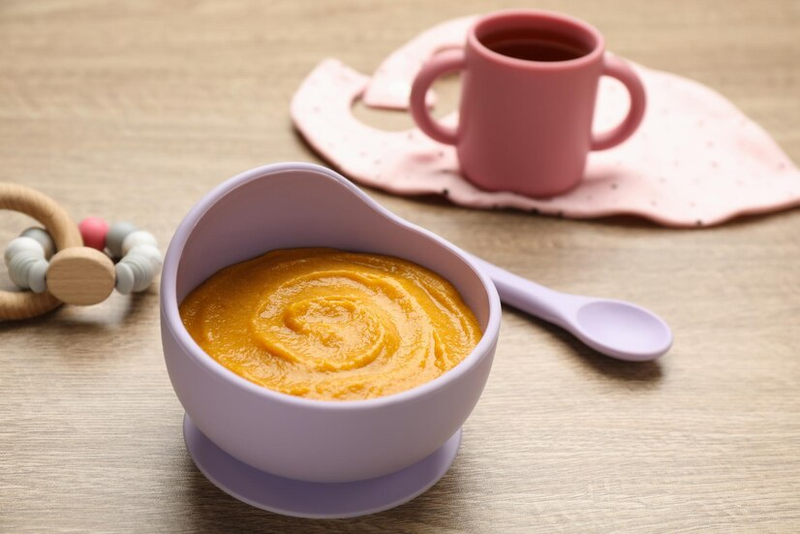
Feeding a toddler can feel unpredictable. One day your child eats a full breakfast, asks for more berries, and happily tries chicken. The next day, they survive on half a banana, crackers, and one bite of pasta. For many parents, the hardest part is not knowing what to serve—it is knowing what is normal.
Toddler eating changes quickly between 12 months and 3 years. Appetite may rise and fall with growth, activity, sleep, teething, illness, and independence. Your toddler may love a food for a week and refuse it the next. This does not mean you are doing anything wrong. It often means your child is developing preferences, practicing control, and learning how food fits into daily life.
This guide gives practical toddler meal ideas by age, including breakfast, lunch, dinner, and snacks. It also explains how to build balanced plates, how often to offer meals, how to handle picky eating, and how to serve foods safely as your toddler grows.
Quick Guide: How Many Meals and Snacks Do Toddlers Need?
Many toddlers do well with three meals and two planned snacks per day. Some younger toddlers still breastfeed or drink milk between meals. Some older toddlers prefer a bigger snack and a smaller dinner. The goal is not a perfect schedule. The goal is a predictable rhythm.
A simple toddler feeding rhythm may look like this:
- Breakfast: After waking
- Morning snack: About 2 to 3 hours later
- Lunch: Before or after nap, depending on your routine
- Afternoon snack: About 2 to 3 hours after lunch
- Dinner: With the family when possible
Try to avoid all-day grazing. When toddlers snack constantly, they may not feel hungry enough for meals. Planned meals and snacks help toddlers know what to expect while still giving them frequent chances to eat.
What Should a Toddler Meal Include?
You do not need every food group on every plate. Instead, think in weekly patterns. A balanced toddler diet usually includes a mix of:
- Protein: Eggs, beans, lentils, fish, chicken, turkey, beef, tofu, yogurt, cheese, nut or seed butter in safe forms
- Carbohydrates: Oatmeal, rice, pasta, bread, potatoes, sweet potatoes, tortillas, pancakes, muffins
- Fruits and vegetables: Soft fruits, cooked vegetables, raw vegetables served safely for age and chewing ability
- Healthy fats: Avocado, olive oil, full-fat yogurt for younger toddlers, nut butter, egg yolk, salmon
- Drinks: Water and milk are usually the main everyday choices
A helpful plate formula is: one familiar food, one filling food, and one learning food. The familiar food helps your toddler feel safe. The filling food provides energy. The learning food gives gentle exposure to something new or less preferred.

Toddler Meal Ideas for 12 to 18 Months
At 12 to 18 months, toddlers are still developing chewing skills. Many are learning to use a spoon, drink from a cup, and handle more textures. Meals should be soft, easy to chew, and cut into safe pieces.
Breakfast Ideas for 12 to 18 Months
- Oatmeal with mashed banana and a little nut butter stirred in
- Scrambled egg with soft toast strips and ripe fruit
- Plain yogurt with soft berries and crushed low-sugar cereal
- Mini pancakes with applesauce and soft pear slices
- Avocado toast strips with a side of banana
- Cottage cheese with soft peach pieces and toast fingers
Lunch Ideas for 12 to 18 Months
- Soft pasta with peas, shredded chicken, and olive oil
- Bean and cheese quesadilla cut into small pieces
- Sweet potato mash with lentils and soft cooked carrots
- Egg salad on soft toast with cucumber sticks prepared safely
- Rice with mashed beans, avocado, and soft cooked zucchini
- Turkey meatballs with pasta and steamed broccoli florets
Dinner Ideas for 12 to 18 Months
- Salmon flakes with rice and soft peas
- Chicken and vegetable soup with soft noodles
- Ground beef or lentil shepherd’s pie with mashed potato
- Soft tofu with rice and cooked vegetables
- Macaroni with cheese, peas, and finely chopped spinach
- Mini turkey patties with roasted sweet potato wedges
Snack Ideas for 12 to 18 Months
- Plain yogurt with fruit
- Banana with thinly spread nut butter
- Cheese strips with soft fruit
- Mini muffin with milk
- Avocado pieces with toast fingers
- Hummus with soft pita strips
Toddler Meal Ideas for 18 to 24 Months
By 18 to 24 months, many toddlers are more independent. They may want to feed themselves, reject help, or prefer foods separated on the plate. This is a good age to offer variety while keeping meals simple and predictable.
Breakfast Ideas for 18 to 24 Months
- Whole-grain waffle with yogurt and sliced strawberries
- Egg muffin with spinach and cheese
- Oatmeal with blueberries and ground flaxseed
- Banana pancake with peanut butter spread thinly
- Smoothie cup with yogurt, fruit, and oats
- Toast with cream cheese and soft fruit
Lunch Ideas for 18 to 24 Months
- Chicken quesadilla with avocado and soft fruit
- Pasta salad with peas, cheese, and cooked carrots
- Hummus sandwich with cucumber slices and berries
- Rice bowl with beans, corn, and shredded cheese
- Tuna or salmon salad on toast with fruit
- Vegetable soup with soft bread and yogurt
Dinner Ideas for 18 to 24 Months
- Turkey chili with beans and cornbread
- Soft tacos with ground meat or lentils, cheese, and avocado
- Chicken stir-fry with rice and soft vegetables
- Baked fish with mashed potato and peas
- Veggie omelet with toast and fruit
- Pasta with tomato sauce, meatballs, and roasted zucchini
Snack Ideas for 18 to 24 Months
- Apple slices cooked or sliced safely with yogurt dip
- Cheese and whole-grain crackers
- Cucumber sticks with hummus
- Hard-boiled egg pieces with fruit
- Oat bar with milk
- Cottage cheese with peaches
Toddler Meal Ideas for 2 to 3 Years
Two-year-olds and older toddlers can often eat many of the same foods as the rest of the family, with safe cutting and appropriate textures. This is the age when parents can focus more on family meals, variety, and routine rather than making separate “toddler food” every time.
Breakfast Ideas for 2 to 3 Years
- Scrambled eggs with whole-grain toast and fruit
- Oatmeal with berries and nut butter
- Greek yogurt with granola and banana slices
- Breakfast burrito with egg, beans, and cheese
- Whole-grain cereal with milk and fruit
- Mini bagel with cream cheese and cucumber slices
Lunch Ideas for 2 to 3 Years
- Turkey and cheese sandwich with fruit and soft vegetable sticks
- Bean and cheese quesadilla with avocado
- Pasta with pesto, peas, and chicken
- Rice bowl with salmon, cucumber, and edamame prepared safely
- Egg salad wrap with fruit
- Soup with bread, cheese, and a fruit side
Dinner Ideas for 2 to 3 Years
- Chicken meatballs with pasta and broccoli
- Beef or lentil tacos with rice and avocado
- Salmon cakes with sweet potato and peas
- Stir-fried tofu with noodles and soft vegetables
- Shepherd’s pie with green vegetables
- Homemade pizza with vegetables and fruit on the side
Snack Ideas for 2 to 3 Years
- Yogurt with fruit
- Trail mix-style snack without whole nuts, using cereal and dried fruit cut safely
- Toast with avocado
- Cheese with crackers and fruit
- Vegetable sticks with hummus
- Muffin with milk
Sample Toddler Meal Schedule by Age
| Age | Typical Daily Rhythm | Parent Tip |
|---|---|---|
| 12 to 18 months | 3 meals, 1 to 2 snacks, milk as part of routine | Keep textures soft and portions small. Offer more if your child asks. |
| 18 to 24 months | 3 meals, 2 snacks, water between meals | Use planned snack times instead of grazing all day. |
| 2 to 3 years | 3 meals, 1 to 2 snacks depending on appetite | Serve family foods with safe cutting and a familiar option. |
Some toddlers eat more in the morning. Others eat their biggest meal in the afternoon. Instead of forcing one pattern, watch your child’s natural appetite rhythm and build meals around it.
The “Mini Meal” Snack Strategy
Many parents think snacks must be crackers, pouches, or fruit only. A better approach is to treat snacks as smaller meals. This helps toddlers get enough protein, fat, fiber, and energy across the day.
Try pairing two food groups at snack time:
- Fruit + yogurt
- Toast + avocado
- Crackers + cheese
- Vegetables + hummus
- Muffin + milk
- Banana + thinly spread nut butter
- Egg + fruit
This strategy can also reduce mood crashes. Toddlers burn energy quickly, and snacks built only on fast carbohydrates may not keep them full for long.
How Much Should a Toddler Eat?
Toddler portions are usually smaller than many adults expect. A few bites of each food may be enough at one meal. Your child may eat a lot one day and very little the next.
Instead of judging one meal, look at:
- Growth over time
- Energy level
- Development and activity
- Food variety across the week
- Wet diapers or bathroom habits for younger toddlers
- Your pediatrician’s feedback at checkups
A useful mindset is: parents choose what, when, and where food is offered; toddlers decide whether and how much to eat. This keeps meals calmer and reduces pressure.

Safe Serving Tips for Toddlers
Toddlers are still learning to chew and swallow safely. Even confident eaters need food prepared carefully.
Foods to Modify for Safety
- Grapes: Cut lengthwise into quarters.
- Cherry tomatoes: Cut lengthwise into quarters.
- Hot dogs or sausages: Cut lengthwise first, then into small pieces.
- Raw carrots: Cook until soft or cut into very thin strips for older toddlers.
- Apple: Cook, grate, or slice very thin depending on age and chewing ability.
- Nut butter: Spread thinly or stir into oatmeal or yogurt.
- Meat: Serve soft, moist, and cut into small pieces.
Foods to Avoid or Delay
- Whole nuts
- Popcorn
- Hard candy
- Gummy candy
- Large chunks of raw vegetables
- Large spoonfuls of sticky nut butter
- Round foods served whole
Always supervise meals and snacks. Toddlers should sit while eating, not run, laugh, play, or lie down with food in the mouth.
Breakfast Ideas That Work on Busy Mornings
Breakfast does not need to be complicated. Many toddlers do well with repeatable options that parents can prepare quickly.
| Fast Breakfast | Add Protein | Add Fruit or Vegetable |
|---|---|---|
| Oatmeal | Milk, yogurt, nut butter, or chia seeds | Banana, berries, applesauce, or grated pear |
| Toast | Egg, cheese, avocado, or thin nut butter | Tomato slices, fruit, or cucumber |
| Pancake or waffle | Yogurt, egg, or nut butter | Berries, peach, or applesauce |
| Yogurt bowl | Greek yogurt or cottage cheese | Soft fruit, low-sugar cereal, or cooked apple |
Batch-prep can help. Make muffins, pancakes, egg cups, or waffles once, then freeze portions for quick mornings.
Lunch Ideas for Home, Daycare, and Outings
Lunch is often easier when you build from leftovers. A few spoonfuls of rice, pasta, chicken, beans, or roasted vegetables can become a toddler lunch the next day.
Easy Lunch Combinations
- Pasta + peas + cheese + fruit
- Rice + beans + avocado + soft vegetables
- Turkey sandwich + cucumber + berries
- Quesadilla + yogurt + fruit
- Egg muffin + toast + tomatoes
- Soup + bread + cheese
For daycare, choose foods your child can manage safely and comfortably. Ask about allergy rules, reheating policies, and whether foods need to be cut in a specific way.
Dinner Ideas the Whole Family Can Share
Family dinners become easier when you adapt adult meals rather than cooking a completely separate toddler plate. Before adding extra salt, spicy sauce, or hard toppings, set aside a toddler portion.
Family Meal Adaptations
- Taco night: Serve beans, meat, cheese, avocado, and soft tortilla pieces.
- Pasta night: Serve soft pasta with sauce, vegetables, and protein.
- Rice bowls: Serve rice with soft vegetables, egg, tofu, fish, or chicken.
- Soup night: Serve thick soup with soft bread and fruit.
- Breakfast for dinner: Serve eggs, toast, fruit, and yogurt.
Family meals teach more than nutrition. Toddlers learn by watching adults and siblings eat, talk, pass food, use utensils, and try different flavors.
Handling Picky Eating Without Turning Meals Into Battles
Picky eating is common in toddlerhood. Toddlers may become cautious about new foods because they are gaining independence and becoming more aware of taste, texture, smell, and appearance.
Try these strategies:
- Serve one familiar food with each meal.
- Offer new foods in tiny portions.
- Do not pressure your toddler to taste.
- Eat the food yourself and let your toddler observe.
- Keep rejected foods in rotation.
- Change the shape, dip, or preparation method.
- Use neutral language instead of praise or threats.
A toddler may need many exposures before accepting a food. Looking at it, touching it, smelling it, licking it, or moving it around the plate are all steps toward learning.
The Texture Ladder: A Helpful Way to Introduce Foods
If your toddler rejects a food, the issue may be texture rather than flavor. A texture ladder helps you offer the same food in easier forms before moving toward harder ones.
For example, with carrots:
- Carrot puree or mash
- Very soft steamed carrot sticks
- Roasted carrot fries
- Thinly shredded raw carrot mixed into a familiar food
- Crunchier raw carrot sticks when age and chewing skills are ready
This method works because toddlers often need gradual sensory steps. Instead of asking them to jump from soft to crunchy, you let them build confidence.
Meal Cleanup and Toddler Independence
Toddler meals are messy because toddlers are learning. They touch, squeeze, drop, smear, and practice utensils. This can be frustrating, but it is also sensory and motor learning.
To make cleanup easier:
- Use a washable bib.
- Keep a damp cloth nearby.
- Place a mat under the chair if needed.
- Serve small portions first.
- Keep spare clothes close after messy meals.
- Invite your toddler to help wipe the tray at the end.
If your younger toddler still needs frequent post-meal diaper or clothing changes, a portable changing table can keep wipes, creams, and spare outfits close by. Families who prefer a dedicated nursery setup may find that diaper changing tables with storage help organize mealtime cleanup supplies, especially during the messy transition from baby meals to toddler meals.
What About Milk, Water, and Juice?
Water and milk are usually the best everyday drinks for toddlers. Milk can be part of meals or snacks, but too much milk may reduce appetite for iron-rich foods. Water is a good option between meals.
Juice is usually not necessary for toddlers. If you offer it, keep portions small and occasional. Whole fruit is usually a better choice because it provides fiber and helps toddlers practice chewing.
Common Toddler Feeding Mistakes
- Letting snacks happen all day: Grazing can reduce appetite for meals.
- Only serving favorite foods: Familiar foods help, but toddlers also need gentle exposure to variety.
- Pressuring bites: Pressure often makes picky eating worse.
- Making separate meals every time: Adapt family meals when possible.
- Ignoring texture: A child may reject crunch, mush, mixed foods, or slippery textures.
- Serving unsafe shapes: Round, hard, sticky foods need modification.
- Expecting the same appetite daily: Toddler hunger changes often.
When to Ask a Pediatrician
Many feeding challenges are normal, but some signs deserve support. Talk with your pediatrician if your toddler:
- Has poor growth or weight concerns
- Regularly coughs, chokes, or gags intensely while eating
- Cannot manage textures expected for their age
- Vomits frequently with meals
- Has ongoing diarrhea, constipation, or pain
- Refuses entire food groups for a long time
- Drinks so much milk that they rarely eat solid foods
- Has suspected food allergies
- Has a very limited diet that keeps narrowing
If feeding is creating daily stress, you do not need to wait until it becomes severe. Pediatricians, dietitians, and feeding therapists can help families build safer, calmer routines.
Simple Toddler Meal Planning Template
Use this template when you feel stuck:
| Meal | Base | Add Protein | Add Produce |
|---|---|---|---|
| Breakfast | Oatmeal, toast, waffle, muffin | Egg, yogurt, cheese, nut butter | Banana, berries, applesauce, pear |
| Lunch | Pasta, rice, bread, tortilla | Beans, chicken, turkey, tofu, egg | Cucumber, peas, carrots, fruit |
| Dinner | Potato, rice, pasta, bread | Fish, meat, lentils, tofu, cheese | Broccoli, zucchini, tomato, sweet potato |
| Snack | Crackers, toast, muffin, cereal | Yogurt, cheese, hummus, nut butter | Fruit or vegetable sticks |
This structure keeps meals flexible. You can repeat the same formula while changing the ingredients.
Final Thoughts
Toddler meals do not need to be perfect. Your child’s appetite will change. Some meals will be balanced, and some will be mostly fruit, toast, or yogurt. What matters is the bigger pattern over time: regular meals, safe foods, variety, responsive feeding, and a calm mealtime routine.
Offer breakfast, lunch, dinner, and planned snacks in a predictable rhythm. Include protein, carbohydrates, fruits, vegetables, and healthy fats across the day. Serve safe textures, keep pressure low, and let your toddler learn through repeated exposure.
If meals are messy, unpredictable, or slower than you expected, that does not mean you are failing. It means your toddler is learning how to eat, choose, explore, and participate in family life one small bite at a time.
FAQ: Toddler Meal Ideas by Age
How many meals should a toddler eat each day?
Many toddlers do well with three meals and two planned snacks per day. Some need slightly more or less depending on age, activity, sleep, growth, and appetite patterns.
What should I feed my 1-year-old for breakfast?
Good breakfast ideas for a 1-year-old include oatmeal with fruit, scrambled egg with toast, yogurt with soft berries, mini pancakes, avocado toast strips, or cottage cheese with soft fruit.
What are easy toddler lunch ideas?
Easy toddler lunches include quesadillas, pasta with peas and cheese, rice with beans and avocado, soft sandwiches, egg muffins, soup with bread, or leftovers from family dinner cut safely.
What are healthy toddler snacks?
Healthy toddler snacks can include yogurt with fruit, cheese and crackers, toast with avocado, vegetables with hummus, banana with thin nut butter, muffins, hard-boiled egg pieces, or cottage cheese with fruit.
How long should toddlers go between meals and snacks?
Many toddlers do well with meals and snacks spaced about 2 to 3 hours apart. This gives them time to build appetite while preventing them from becoming overly hungry.
What should I do if my toddler refuses dinner?
Stay calm and avoid pressure. Offer a familiar food with dinner, keep portions small, and let your toddler decide how much to eat. Look at intake across the whole day or week, not one meal.
How do I make toddler meals safer?
Cut round foods like grapes and cherry tomatoes lengthwise into quarters, cook hard vegetables until soft, spread nut butter thinly, avoid whole nuts and popcorn, and make sure your toddler sits while eating.
Do toddlers need snacks?
Most toddlers benefit from planned snacks because their stomachs are small and energy needs are high. Treat snacks like mini meals by pairing two food groups, such as fruit with yogurt or crackers with cheese.