Eltern

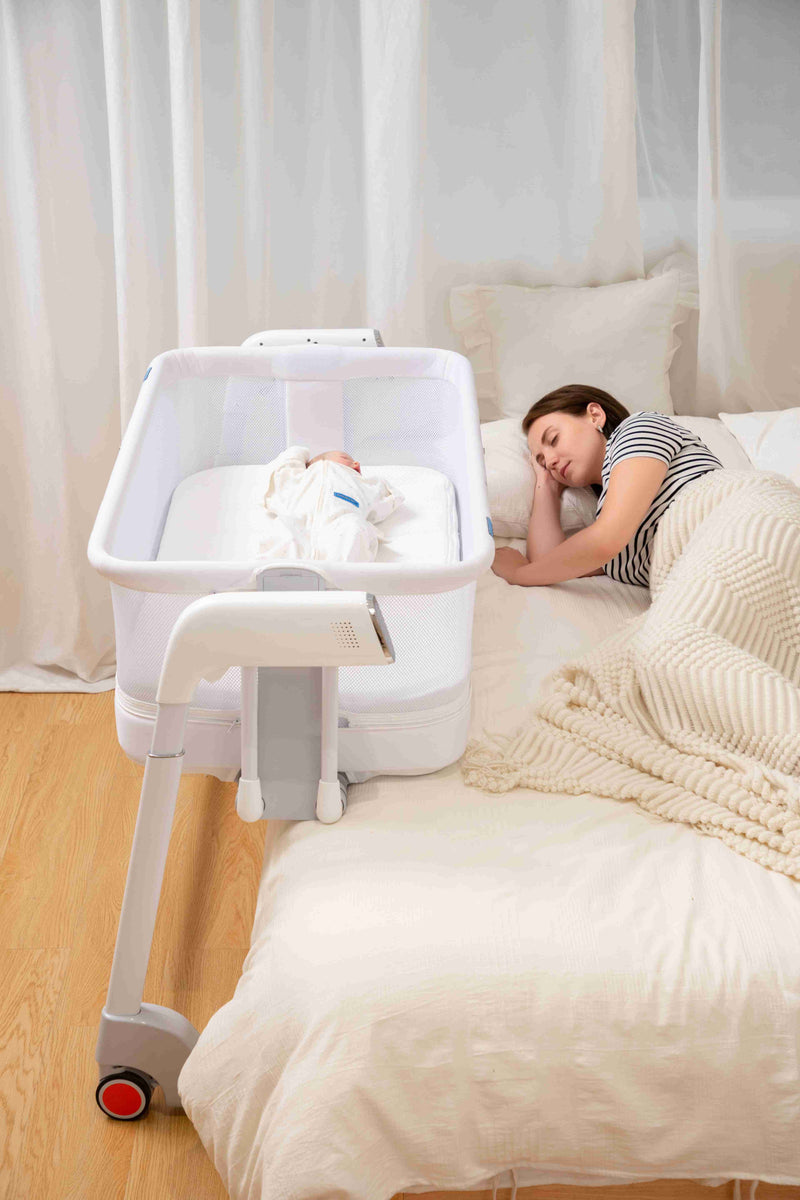
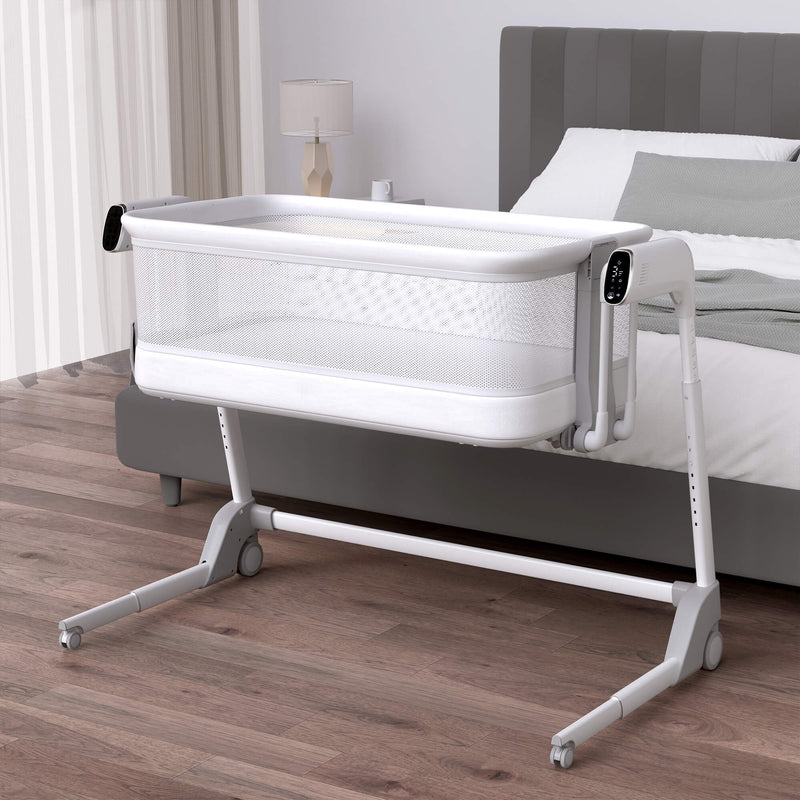
A wide-angle view of a modern, minimalist nursery setup showing a bedside bassinet, a foldable changing table with organized storage, and a comfortable nursing chair, illustrating functional zonation.

Nursery Essentials Checklist: The 2026 Modular Guide

The transition from "preparing for a baby" to "actually living with a baby" is often a shock to the system. Most nursery checklists are designed to sell you as many products as possible, but in 2026, the trend has shifted toward Functional Zonation. Instead of buying a mountain of gear, focus on three primary zones: Sleep, Hygiene, and Feeding. By creating high-utility modular zones, you save space, reduce stress, and ensure your nursery is a sanctuary, not a warehouse. A successful nursery isn't about how much you buy; it’s about how well the gear works together to support your daily (and nightly) flow. Here is the curated list of what you actually need to build a high-performance nursery. 1. The Sleep Zone (Safety & Proximity) This is the heart of the nursery. In 2026, the focus is on Micro-Climates and Passive Airflow. [Bedside Sleeper Bassinet]: The gold standard for the first six months. Look for 360-degree mesh walls to ensure maximum airflow and eye-level proximity for safe room-sharing. Firm [Bassinet Mattress]: Non-negotiable for safety. It must be firm, flat, and fit the bassinet with no gaps. Breathable Mattress Protector: A waterproof but breathable layer to protect the mattress from the inevitable leaks. White/Pink Noise Machine: Essential for "Sonic Habituation" to mask household sounds and mimic the womb. 2-3 Swaddles or Sleep Sacks: Opt for different TOG ratings (0.5 for summer, 1.0 for year-round) to manage the baby's temperature effectively. 2. The Hygiene Zone (Ergonomics & Command) You will spend a significant portion of your day here. Efficiency is the priority. [Foldable Changing Table]: A modular, ergonomic table at waist height is essential for postpartum back health. A foldable version is perfect for small nurseries or travel. Waterproof Changing Pad: Look for a contoured design with a safety strap. Diaper Command Center: A tiered storage system (bins or side pockets) for diapers, wipes, and barrier creams. Sealable Diaper Pail: To maintain air quality and contain odors. Small Laundry Hamper: Specifically for baby clothes, placed directly next to the changing station. 3. The Feeding & Soothing Zone This zone is for comfort and recovery, both for the baby and the caregiver. Supportive Nursing Chair: Whether you choose a glider or a rocker, ensure it has firm lumbar support and armrests at a height that doesn't strain your neck. Nursing/Feeding Pillow: To bring the baby to your level and prevent the "Midnight Hunch." Dimmable Amber Nightlight: Crucial for "Stealth Changes" and feedings that don't disrupt the baby's circadian rhythm. [Electric Cradle]: A secondary soothing tool that provides rhythmic motion to help settle a restless baby when your arms need a break. The "Modular" Checklist: Essential vs. Optional Category Must-Have Essentials Nice-to-Have (Optional) Sleep Bassinet, Firm Mattress, Sleep Sacks. Video Monitor, Smart Sock. Hygiene Changing Station, Wipes, Diapers. Diaper Warmer, Fancy Pail. Feeding Comfortable Seat, Burp Cloths. Bottle Sterilizer, Drying Rack. Storage Tiered Cart or Table Shelving. Built-in Custom Closets. 4. The Unique POV: The "Secondary Utility" Rule In 2026, the best nursery gear is Modular. Before buying an item, ask: Can I move this easily? Does it fold? Does it serve more than one purpose? For example, a [portable bassinet] that can move from your bedroom to the living room is worth twice as much as a heavy, static crib. Similarly, a [changing table] that includes storage pockets for toys and clothes later in life offers better long-term value than a single-purpose piece of furniture. Final Thoughts Building a nursery is a marathon, not a sprint. Start with the "Zonal Essentials" and add pieces only as you discover your baby's unique preferences. By prioritizing airflow in the Sleep Zone and ergonomics in the Hygiene Zone, you create a space that supports your physical health and your baby’s safety.

Mehr lesen

A mother with excellent posture stands upright while changing her baby on a portable changing table at ergonomic height.

Postpartum Back Pain: Beyond Posture to "Micro-Ergonomics"

It’s the silent companion of early motherhood: that dull, persistent ache in your lower back or the sharp pull between your shoulder blades every time you lift your baby. You might blame it on "carrying a heavy infant," but in 2026, we know the truth is more structural. Postpartum back pain isn't just a result of labor; it’s a result of the "Midnight Bend"—the thousands of times a week you lean over an unoptimized environment. To help you heal, we need to move beyond simple stretches and look at the Micro-Ergonomics of Motherhood. During pregnancy, a hormone called relaxin loosens your ligaments and joints to prepare for birth. Post-birth, that relaxin stays in your system for months, leaving your spine and pelvis vulnerable. When you combine loose ligaments with a weakened core and the repetitive motions of baby care, back pain becomes almost inevitable—unless you change your environment. 1. The Primary Culprit: The "Midnight Bend" Most back injuries don't happen at the gym; they happen at 3:00 AM over a low bed or a sofa. The Problem: Bending at the waist to change a diaper or scoop up a baby puts roughly 10 times the baby's weight in pressure on your L4 and L5 lumbar discs. The 2026 Fix: Bring the world to your waist. Using a foldable changing table at an ergonomic height (usually between 33 and 37 inches) allows you to maintain a neutral spine. By eliminating the "bend," you eliminate the trigger. 2. Nursing Ergonomics: "Bring the Baby to You" A common mistake is "the hunch"—leaning forward to help the baby latch. This leads to "Upper Cross Syndrome," causing neck pain and tension headaches. The Rule: Your back should always be flush against a support. Use pillows to lift the baby to the level of your breast. Proximity is Power: If you are bottle-feeding or soothing at night, a bedside sleeper that aligns perfectly with your mattress height allows you to reach for your baby without twisting your torso—a move that is particularly dangerous for postpartum spinal alignment. 3. The "Hip Hinge" vs. The "Back Arch" When lifting your baby from a portable bassinet or the floor, your "hinge" is your lifeline. The Technique: Instead of rounding your back like a candy cane, keep your chest up and push your hips back (the "deadlift" motion). Modular Support: If your baby is restless, don't stand and sway for hours—this creates an asymmetrical load on your hips. Let a responsive electric cradle handle the rhythmic motion, allowing you to stay seated or lying down in a neutral position. 4. Pelvic Floor: The Hidden Back Support Your "back" pain is often actually "core" pain. Because the abdominal muscles were stretched during pregnancy, your back muscles have to work overtime to keep you upright. The 2026 Strategy: Focus on "breath-loading." Exhale as you lift your baby. This engages your deep core (transverse abdominis) and pelvic floor, creating a natural "weight belt" of internal pressure that protects your spine. 5. Ergonomic Nursery Checklist To truly heal, your nursery must act as a recovery ward for your spine: Changing Station: Stand tall at a diaper changing table; never use the floor or a low bed. Sleeping Surface: Ensure the bassinet mattress is at a height that doesn't require a deep reach. Self-Care Storage: Keep water, snacks, and a lumbar pillow organized in your foldable changing table side pockets so you don't have to over-reach or strain while nursing. Final Thoughts Postpartum back pain isn't a "rite of passage"—it's a signal that your environment is winning. By utilizing ergonomic gear like a 3 in 1 bassinet crib and mastering the hip hinge, you can transition from "pain management" to "postpartum strength."

Mehr lesen

maydolly changing table

How to Set Up Your Diaper Station: The "Command Center" Approach

You’ve reached that point in the night: the "blowout" has happened, it’s 3:00 AM, and your baby is screaming. This is not the time to be digging through a closet for a fresh onesie or realizing the wipes are in the other room. In 2026, we’ve moved beyond just "having a place to change diapers." We now focus on Zonal Efficiency and the "3-Second Rule"—where every essential is accessible within three seconds without ever taking your hand off your baby. Here is how to engineer the perfect diaper command center for maximum speed and minimum stress: A well-organized diaper station isn't just about aesthetics; it's a critical safety and sanity feature. When everything has a logical "zone," your muscle memory takes over during those sleep-deprived midnight changes. 1. The "3-Second Rule" & Arm’s Length Safety Safety is the foundation of any setup. Never leave your baby unattended on a raised surface. The "3-Second Rule" states that you should be able to reach diapers, wipes, and cream within three seconds while keeping one hand firmly on your baby. The Setup: Use the side-hanging organizers on your foldable changing table to store your "Top Tier" essentials. If you have to turn your back or walk away to grab a wipe, your station isn't optimized. 2. Zonal Organization: The Tiered System Don't just pile everything together. Divide your station into three distinct zones: Zone Items Included Accessibility Zone 1: Immediate Diapers (10-15), Wipes, Diaper Cream, Hand Sanitizer. Top shelf / Side pockets. Zone 2: Secondary Fresh onesies, socks, swaddles, pacifiers. Middle shelf / Baskets. Zone 3: Bulk Extra diaper packs, large wipe refills, laundry bag. Bottom shelf / Floor bin. 3. The "Hygiene Perimeter" Diaper changes involve bacteria. To keep your home clean, you need a defined hygiene perimeter. Waste Management: Place your diaper pail within kicking distance of your dominant foot. Surface Care: Ensure your changing nappy table has a waterproof, wipeable surface. In 2026, we prefer integrated PVC or high-density oxford cloth over traditional fabric covers that require constant laundering. Sanitization Station: Keep a pump of hand sanitizer at the very edge of the station—use it after the change is complete but before you pick the baby up to move them back to their bedside sleeper. 4. Lighting: The "Midnight Stealth" Factor Bright overhead lights are the enemy of sleep. When setting up your station, consider the lighting environment. The Pro Move: Use a dimmable, amber-toned nightlight. Position it so the light falls on the diaper area but doesn't shine directly into the baby’s eyes. This keeps them in a "sleepy state," making it much easier to transition them back into their electric cradle once they are clean. 5. The Unique Angle: Visual Luring If your baby is an "active kicker" or hates changes, use the area above the table strategically. Instead of a distracting mobile that might keep them awake, use High-Contrast Art Cards taped to the wall at the baby’s eye level. This provides enough "visual lure" to keep them still for the 60 seconds you need to complete the change, without over-stimulating them before bed. Diaper Station Checklist The Table: A sturdy, ergonomic portable changing table. The Pad: A firm, contoured pad with a safety strap. Diapers: At least a 24-hour supply in the top bin. Wipes: A weighted wipe dispenser (to prevent pulling out five at once). Creams: Barrier cream for daily use; medicated cream for rashes. Distractions: One soft toy or high-contrast card. Laundry: A small hamper for soiled clothes right next to the table. Final Thoughts Setting up your diaper station as a "Command Center" is about respecting your own time and your baby's safety. By choosing a modular, well-organized unit like the Maydolly 208 baby changing table, you ensure that every tool is exactly where your hand expects it to be.

Mehr lesen

Is a Changing Table Worth It? Pros and Cons for Small Nurseries

Is a Changing Table Worth It? Pros and Cons for Small Nurseries

The "Great Diaper Debate" is a staple of every baby registry. On one side, you have the minimalists who say, "Just use the bed or the floor." On the other, you have the experienced parents who swear their changing table saved their sanity—and their spine. When you’re working with a small nursery, square footage is your most valuable currency. Is a dedicated station worth the "rent" it pays in your home? In 2026, we’ve moved beyond the bulky wooden dressers of the past. To help you decide, let's look at the "Modular Recovery" trend and why the floor might actually be your worst enemy. In the first year alone, you will change roughly 2,500 to 3,000 diapers. That is thousands of times you will be bending, lifting, and reaching. While a bed or a sofa seems like a convenient "free" alternative, the long-term impact on your body and home organization tells a different story. 1. The Ergonomic Reality: Postpartum Recovery Most guides talk about "back pain" in a general sense. But in 2026, we focus on the Postpartum Recovery Zone. Whether you are recovering from a C-section or dealing with the natural core weakness that follows pregnancy, the 30-degree bend required to change a baby on a bed is a recipe for injury. The Pro Move: A dedicated foldable changing table allows you to stand upright at an ergonomic height. This takes the pressure off your incision site and lower back, making those 3:00 AM changes a matter of seconds rather than a physical struggle. 2. The Unique Angle: The "Hygiene Perimeter" One of the most overlooked "pros" of a changing table is the Hygiene Perimeter. Diaper changes are messy. When you change a baby on your bed or sofa, you risk "contaminating" your primary relaxation spaces with bacteria and blowouts. A dedicated changing nappy table creates a localized "wet zone." The surfaces are usually waterproof and easy to sanitize with a single wipe, ensuring that the rest of your home remains a clean, germ-free sanctuary. 3. Modular Versatility: Solving the "Small Nursery" Problem The biggest "con" cited in old articles is that changing tables take up too much space. In 2026, that is no longer true. The Static vs. Modular Debate: Instead of a heavy piece of furniture that stays in the room forever, parents are opting for modular stations. A portable changing table can be wheeled from the nursery to the living room during the day and folded flat behind a door when guests arrive. This gives you the benefits of a professional station without the permanent loss of floor space. 4. Organization as a Time-Saver When a baby is screaming at 2:00 AM, you don't want to be hunting for wipes under a pillow. A changing table acts as a Command Center. By utilizing the tiered storage on your diaper changing tables, you keep everything—diapers, creams, wipes, and change of clothes—within arm's reach. This isn't just about being "neat"; it’s a safety feature that ensures you never have to leave the baby unattended to grab a fresh onesie. 5. The Cons: When to Skip It? Is it ever not worth it? The "One-Floor" Exception: If you live in a tiny studio where your bed is three steps from everything, you might manage with a simple changing pad. The Short Lifespan: Changing tables are usually only needed for 18–24 months. This is why the maydolly 208 baby changing table is a favorite—it’s an investment in your comfort that can be stored away easily once the potty training phase begins. Final Thoughts Is a changing table worth it? If you value your physical health and your home's hygiene, the answer is a resounding yes. By choosing a modular, foldable design, you can protect your back and your floor space simultaneously.

Mehr lesen

A newborn baby sleeping peacefully on their back in a safe, minimalist mesh bassinet.

Side Sleeping for Newborns: Pros and Cons

It’s a common sight in the first few weeks: you lay your baby flat on their back, but they immediately curl onto their side, looking like a tiny, cozy comma. It looks comfortable, and you’ve likely heard that side-sleeping helps with reflux or prevents a flat head. However, as we move into 2026, the medical consensus has tightened. While the "Newborn Curl" is a natural phenomenon, intentional side-sleeping remains one of the most debated—and potentially dangerous—positions for an unsupervised infant. To help you navigate the noise, let’s break down the "Pros" (mostly myths) and the "Cons" (the safety reality) of the side-sleep position. The "Back to Sleep" campaign is the gold standard for a reason: it has reduced SIDS rates by over 50%. Yet, many parents still find themselves tempted by the side-lying position. Here is what you need to know to make an informed, safe choice for your nursery. 1. The "Pros": Why Parents are Tempted When parents advocate for side-sleeping, they usually cite three main reasons. Let’s look at the reality behind them: Reflux Management: There is a common myth that side-sleeping prevents a baby from choking on spit-up. In reality, a baby’s anatomy is designed to protect the airway better when they are flat on their back. Flat Head Prevention: It is true that varying a baby’s head position helps prevent Plagiocephaly. However, this should be done by rotating their head while they are on their back, not by tilting their entire body. The Comfort Factor: Babies often seem to settle faster on their side. This is usually due to the "Newborn Curl" (physiologic flexion), where their muscles are still tight from being in the womb. 2. The Cons: The Hidden Risks The primary reason medical experts discourage side-sleeping is instability. The "Tummy Roll" Risk: The side is an unstable position. A baby sleeping on their side is significantly more likely to accidentally roll onto their stomach. Stomach sleeping is the highest risk factor for SIDS because it can lead to "rebreathing" exhaled CO2. Positional Asphyxia: Newborns have very heavy heads and weak necks. If they are on their side and their chin tucks toward their chest, it can partially or fully block their narrow airway, leading to silent suffocation. Dependency on Positioners: Many parents use "side-sleeper pillows" or rolled-up towels to keep a baby on their side. These are extremely dangerous. Any loose bedding or positioners in a 3 in 1 bassinet crib create a high risk for entrapment and suffocation. 3. The Unique Angle: The "Newborn Curl" Paradox Most guides tell you that if a baby rolls to their side, they are "trying" to sleep that way. In 2026, we clarify this as the Newborn Curl Paradox. In the first few weeks, your baby isn't rolling to their side out of preference; they are curling because their abdominal muscles haven't stretched out yet. This is passive movement, not intentional rolling. Even though it looks natural, you should still gently roll them back onto their back as soon as you notice it. The goal is to provide a surface, like a firm bassinet mattress, that supports the spine without allowing the baby to "dent" the surface and get stuck on their side. 4. How to Transition Safely If your baby is a "commando sleeper" who refuses to stay flat, you need to address their sensory needs without compromising safety. Use a Snug Swaddle: A proper swaddle provides the "hugging" sensation a baby is looking for when they curl up, allowing them to feel secure while staying safely on their back. Utilize Responsive Motion: If the baby is wiggling because they are restless, an electric cradle can provide a gentle sway. This rhythmic movement often satisfies the baby’s need for "vestibular input," stopping the squirming that leads to side-rolling. Supervised Side-Lying: The only time side-lying is a "pro" is during supervised awake time. This can help strengthen different muscle groups, but as soon as the eyes close, it’s back to the back. Safe Sleep Checklist Rule Action Position Always flat on the back. Surface Firm mattress, no pillows or "side-sleepers." Environment Use a bedside sleeper for easy monitoring. Apparel Sleep sack or swaddle (stop swaddling at the first sign of rolling). Final Thoughts The "cons" of side-sleeping far outweigh the perceived "pros." While that newborn curl is adorable, safety must come first. By using a smart cradle and a firm sleeping surface, you can give your baby the security they crave while ensuring they stay in the safest position possible: flat on their back.

Mehr lesen

A calm, modern nursery at night with a glowing sound machine on a shelf and a baby sleeping in a bassinet in the foreground

White Noise vs. Pink Noise: Which is Better for Baby Sleep?

It’s 3:00 AM. The house is silent—except for the distant bark of a neighbor’s dog or the hum of the refrigerator. Suddenly, your baby is wide awake. You’ve tried white noise, but it feels harsh, like a TV tuned to a dead channel. You’ve heard of "Pink Noise," but is it just a marketing trend, or the secret to longer stretches of sleep? In 2026, sleep science has moved beyond just "masking noise." We now focus on "Sonic Habituation"—using specific sound frequencies to not only hide distractions but to actually synchronize a baby’s brainwaves for deeper, more restorative rest. Let’s dive into the colorful world of sound and find the perfect frequency for your nursery. For decades, white noise has been the nursery staple. But as our understanding of infant neurology evolves, a new contender has emerged: Pink Noise. While both aim to help your baby sleep, they interact with the developing brain in very different ways. 1. The Color Spectrum: White vs. Pink White Noise: Contains all audible frequencies at equal intensity. It sounds like a "shushing" air conditioner or static. It is highly effective at masking sudden sounds (like a door slamming). Pink Noise: Features lower frequencies at a higher intensity and higher frequencies at a lower intensity. To the human ear, it sounds "deeper" and more natural—think of a steady rainfall, rustling leaves, or the rhythmic thrum of the womb. 2. The Unique Angle: The "Sonic Habituation Bridge" Most guides ask you to choose one or the other. In 2026, we advocate for the Sonic Habituation Bridge. Babies are born with an incredibly sensitive auditory cortex. White noise can sometimes be "over-stimulating" because of its high-frequency energy. Pink noise, however, mimics the biophysical sounds of the womb (blood flow and heartbeats). By using pink noise, you aren't just masking the outside world; you are providing a biological "bridge" back to the safety of the womb, allowing the baby's nervous system to remain in a parasympathetic (relaxed) state. 3. Why Pink Noise is Winning in 2026 Recent pediatric studies suggest that pink noise may actually improve sleep stability. Because the frequencies are more balanced, they encourage "slow-wave sleep"—the deep, restorative phase where physical growth and brain development happen. If your baby is sleeping in a bedside sleeper, the goal is to keep them in that deep state even when the rest of the house is active. Pink noise provides a more "organic" soundscape that feels less like a machine and more like a sanctuary. 4. Sonic Safety: The 50/50 Rule Regardless of the "color" of the noise, safety is paramount. Decibel Limit: Never exceed 50 decibels (about the volume of a soft shower). Distance: Keep the sound source at least 6.5 feet (2 meters) away from the bassinet mattress. Consistency: Avoid "smart" sounds that turn on and off. Sudden silence can be just as jarring as a sudden noise. 5. Integrating Sound with Your Gear In a modern nursery, your gear should work in harmony with your sound strategy. The Power of Rhythm: If you use an electric cradle, the rhythmic swaying combined with pink noise creates a multi-sensory "calm zone." The physical motion reinforces the auditory signal, doubling the soothing effect. The Clean Setup: Keep your sound machine and monitor cords organized and out of reach. Having a foldable changing table with dedicated storage nearby ensures your nursery stays a minimalist, distraction-free environment, which is essential for "sonic" success. FAQ: Finding the Right Sound Q: Can white noise damage my baby’s hearing? A: Only if it is too loud (above 50-60 dB) or placed too close to the baby. Use a decibel meter app on your phone to check the volume inside the 3 in 1 bassinet crib. Q: What is Brown Noise? A: Brown noise is even deeper than pink noise, sounding like a distant thunder rumble or a deep ocean. It’s excellent for babies who are particularly sensitive to high-pitched noises but can sometimes be too "heavy" for all-night use. Q: Should I use a "heartbeat" sound? A: Heartbeat sounds are a form of pink noise! They are wonderful for the first 3 months (the fourth trimester) to help a newborn settle in a portable bassinet. Final Thoughts While white noise is a great "blocker," pink noise is a superior "soother." By choosing a deeper, more natural frequency, you are supporting your baby’s biological need for a womb-like environment. Pair your sonic strategy with a responsive smart cradle, and you’ll find that the "3 AM parties" become a thing of the past.

Mehr lesen

How to Prevent Flat Head Syndrome in Newborns (Plagiocephaly)

How to Prevent Flat Head Syndrome in Newborns (Plagiocephaly)

It’s bath time, and as you’re washing your baby’s hair, you notice it: a slight flatness on one side of their head. Your heart sinks. You’ve been following the "Back to Sleep" rules perfectly, but now you’re worried you’ve traded safe sleep for a permanent flat spot. In 2026, we’ve moved past the era of simply "worrying about the spot." We now view head shape through the lens of Environmental Rotation. It’s not just about how the baby lies; it’s about how their entire world—the lights, the sounds, and your presence—pulls them in one direction. To help you maintain that perfect, round head shape, let's explore how to "outsmart" gravity and master the 360-Degree Nursery Reset. Positional Plagiocephaly (flat head syndrome) has become more common since the life-saving "Back to Sleep" campaign began. While sleeping on the back is non-negotiable for safety, it does put consistent pressure on the soft plates of a newborn’s skull. To prevent a flat spot, you don't need fancy helmets or expensive pillows (which are often unsafe). You need a strategy that encourages natural movement. 1. The "Switch-the-View" Rotation Babies are biologically programmed to look toward light, windows, and most importantly, you. If your bedside sleeper is always on the right side of your bed, your baby will likely spend 12 hours a night with their head turned to the right to find you. The Pro Move: Switch which end of the 3 in 1 bassinet crib you place your baby's head each night. One night their head is at the "top," the next at the "bottom." This naturally forces them to turn their neck in the opposite direction to keep you in their line of sight. 2. Active Tummy Time: The 2026 Approach Tummy time isn't just a chore; it’s the primary "anti-gravity" treatment for the skull. Micro-Sessions: Don't feel pressured to do 20 minutes at once. Start with 2-3 minutes after every diaper change on your foldable changing table. Chest-to-Chest: If your baby hates the floor, use your body. Reclining on the sofa with your baby on your chest still counts as tummy time and provides the "proprioceptive grounding" they crave. 3. The Quality of the Surface The "hardness" of the sleeping surface matters, but safety comes first. Never use soft pillows or "head-shaping" cushions in a bassinet, as they are a major suffocation risk. Instead, ensure your bassinet mattress is firm, flat, and meets modern safety standards. A high-quality mattress provides even support across the back of the head, preventing the "sinking" that can exacerbate a flat spot. 4. Visual Luring and Play During awake hours, be mindful of where the action is. The Toy Pivot: If you use a portable bassinet in the living room during the day, position it so that the most interesting things to look at (a colorful toy or a sibling) are on the side the baby doesn't usually turn toward. Upright Time: Maximize time spent out of the "lying down" position. Babywearing or holding your baby upright after feedings helps take all pressure off the skull while their neck muscles strengthen. 5. Technology that Encourages Balance If your baby has a preferred "side," it can be hard to break the habit during sleep. An electric cradle can help by providing a gentle, rhythmic swaying motion. This motion often encourages a baby to settle into a neutral, midline head position rather than falling into a deep "tilt" on one side. Modern smart bassinets are designed with mesh sides to give the baby a 360-degree view, making it easier to "lure" their gaze in different directions. FAQ: Flat Head Concerns Q: When should I worry about a flat spot? A: Most minor flatness resolves on its own as the baby gains neck control (around 4-6 months). However, if the flatness is accompanied by a tilted neck (Torticollis), consult your pediatrician. Q: Are "flat head pillows" safe for sleep? A: No. Any pillow or positioner in a bassinet is unsafe and increases the risk of SIDS. Stick to "Environmental Rotation" instead. Q: Does babywearing help with head shape? A: Absolutely! It is one of the best ways to keep your baby upright and off the back of their head while keeping them close. Final Thoughts Preventing flat head syndrome is about variety. By rotating their sleep position in the smart cradle and being intentional about their "view" of the world, you can ensure your baby grows both safe and symmetrical.

Mehr lesen

A parent's hand reaching into a bedside co-sleeper bassinet to comfort a sleeping baby, illustrating safe room sharing.

Co-Sleeping vs. Room Sharing: What Every New Parent Needs to Know

The terms "co-sleeping" and "room-sharing" are often used interchangeably, but in the world of pediatric safety, they mean very different things. Understanding the distinction is the first step toward a restful—and safe—night. 1. Clearing the Confusion: The Definitions Co-Sleeping: This is actually an "umbrella term" that covers both room-sharing and bed-sharing. Bed-Sharing: This is when a baby sleeps in the same bed as the parents. Major health organizations like the AAP advise against this due to the risks of SIDS, suffocation, and entrapment. Room-Sharing: This is the gold standard. It involves the baby sleeping in their own separate space (like a bassinet) within the parents' room. 2. Why Room-Sharing is the 2026 Gold Standard The AAP recommends room-shari ng for at least the first six months. Why? Because being in the same room as your baby reduces the risk of SIDS by as much as 50%. It allows you to monitor their breathing and respond quickly to their needs. Using a bedside sleeper is the modern solution to this. It gives you the "feeling" of bed-sharing—the baby is right there at eye level—but keeps them on a separate, firm bassinet mattress, which is the safest environment for them.   3. The Unique Angle: The "Safe Touch Zone" Many parents bed-share because their baby craves "sensory proximity." In 2026, we advocate for the Safe Touch Zone. Instead of bringing the baby into your bed, use a co sleeper bassinet that pulls right up to your mattress. The mesh sides allow you to reach over and place a hand on your baby’s chest or hold their hand through the fabric. This provides the "proprioceptive grounding" they need to feel secure without the dangers of adult bedding, pillows, or the risk of a parent rolling over. 4. The Proximity Paradox: Efficiency vs. Safety We often think bed-sharing is "easier" for breastfeeding. However, modern room-sharing setups are just as efficient. By having your 3 in 1 bassinet crib directly next to your bed, you can scoop the baby up for a feed and lay them back down without even standing up. To keep the rest of your night organized, keep a portable changing table in the corner of your bedroom. This prevents you from having to navigate a dark hallway to the nursery, keeping the "sleepy vibes" intact for both you and the baby. 5. When Technology Bridges the Gap If your baby struggles to stay settled in a stationary bed, an electric cradle can provide the rhythmic motion that mimics a parent’s touch. This "virtual rocking" often satisfies the baby’s need for movement, allowing them to remain safely in their own sleep space while you get the deep rest you need. Safe Sleep FAQ Q: Is it okay to nap with my baby on the couch? A: No. Couches and armchairs are the most dangerous places for a baby to sleep due to the high risk of entrapment between cushions. Always transfer them to a flat surface. Q: My baby only sleeps when they are touching me. What should I do? A: Try the "Hand-on-Chest" method in their bassinet for 5-10 minutes. If they need motion, a responsive smart cradle can often take over the soothing once you pull your hand away. Q: When can my baby move to their own room? A: Most experts suggest waiting until 6 months. When you do make the move, bring their familiar sleep environment with you to make the transition easier. Final Thoughts The goal of room-sharing isn't to keep you apart from your baby; it’s to keep you close safely. By utilizing the right gear and focusing on the "Safe Touch Zone," you can enjoy those precious newborn snuggles while knowing your baby is protected by the highest safety standards.

Mehr lesen

A modern nursery wall thermometer showing 70°F, with a sleeping baby in the background

Ideal Nursery Temperature & What to Wear: The 2026 Micro-Climate Guide

It’s the classic new parent dilemma, often striking around 3:00 AM: you wake up shivering and immediately panic that your baby is freezing. Ten minutes later, you’re sweating and convinced they are overheating. Finding that "Goldilocks" zone for infant sleep is crucial, as overheating is a known risk factor for SIDS. While most guides, like Taking Cara Babies, focus heavily on TOG ratings charts, the 2026 approach looks deeper—at the "Micro-Climate" of your baby's sleep space. Here is the definitive guide to nursery temperature and layering, moving beyond just reading the thermostat. The standard advice is simple: keep the room between 68°F and 72°F (20°C – 22.2°C). This is the range recommended by the American Academy of Pediatrics (AAP) as the safest zone to prevent overheating. But if you set your thermostat to 70°F, why does your baby sometimes still wake up sweaty? In 2026, we understand that the temperature on the wall monitor isn't always the temperature where your baby is sleeping. We need to manage the Bassinet Micro-Climate. 1. Understanding the "Bassinet Micro-Climate" The temperature inside your baby's sleeping space can differ from the rest of the room depending on airflow. The Stagnant Air Trap: Traditional, solid-walled cribs or bassinets with heavy bumpers (which are unsafe anyway) can trap body heat, creating a pocket of air that is several degrees warmer than the room. The 2026 Solution (Passive Airflow): Modern sleep solutions, like a high-quality bedside sleeper, utilize 360-degree mesh walls. This maximizes passive airflow, ensuring the "micro-climate" inside the bassinet matches the ambient room temperature, making it easier to dress them appropriately. 2. The "Thermal Bridge": It’s Not Just About Pajamas What your baby sleeps on is just as important as what they sleep in. A standard, non-breathable mattress can act as a heat reflector, trapping your baby's body heat against their back. In 2026, a breathable, firm bassinet mattress is considered essential gear. It acts as a "thermal bridge," allowing excess heat to dissipate away from the baby’s body, significantly reducing the risk of overheating even if their pajamas are slightly too warm. 3. Decoding the TOG System (Simplified) Thermal Overall Grade (TOG) measures how much heat a sleep sack retains. Forget complex charts; here is the practical breakdown for a standard 68–72°F room with good airflow: 0.5 TOG (Summer/Warm Rooms): Use when it feels warm to you (74°F+). Pair with just a diaper or a short-sleeve onesie. 1.0 TOG (The Gold Standard): This is your everyday, year-round workhorse for the standard 68–72°F range. Pair with a long-sleeve footie pajama. 2.5 TOG (Winter/Drafty Rooms): Only necessary if your nursery gets very cold (below 68°F). 4. The "Touch Test": Trust Your Hands, Not the Monitor Technology is great, but your touch is better. Do not judge your baby's temperature by their hands or feet—poor circulation in newborns means their extremities are almost always cool. The 2026 Vibe Check: To check if they are truly too hot or cold, gently place two fingers on the back of their neck or their chest. Perfect: Feels warm and dry. Too Hot: Feels hot, damp, or sweaty. Look for flushed cheeks or rapid breathing. Action: Remove a layer immediately. Too Cold: Feels cool to the touch. Action: Add a layer (like changing from a onesie to footie pajamas under their sleep sack). 5. The Layering Rule of Thumb When in doubt, follow this simple rule: Dress your baby in one more layer than you are comfortable wearing in the same room. If you are happy in a t-shirt under a light duvet, your baby likely needs a long-sleeve pajama and a 1.0 TOG sleep sack. Keep spare layers organized in your foldable changing table storage for quick, mid-night adjustments without turning on bright lights. Final Thoughts The goal of managing nursery temperature isn't just comfort; it's safety. Overheating is far more dangerous than being slightly cool. By ensuring good airflow in their portable bassinet, using a breathable mattress, and relying on the "Touch Test," you can confidently dress your baby for a safe night's rest.

Mehr lesen

Parent gently lowering swaddled baby into a mesh bassinet using the arc transfer method to prevent startle reflex.

How to Stop the Startle Reflex from Waking Your Baby

It is 2:00 AM, and your nursery is a house of cards. Your newborn is drifting into a peaceful slumber when suddenly—snap—their arms fly out, their back arches, and they gasp themselves awake. It feels like they’ve seen a ghost, but it’s actually the Moro reflex (or "startle reflex") doing its biological job. In 2026, we’ve moved past the idea that you just have to "wait it out" while your sleep is sacrificed. In fact, a startling baby is often a baby who is missing a specific sensory anchor. To help you both sleep better, let’s dive into the "Vestibular Bridge" phase and how to calm the nervous system before that reflex triggers a full wake-up.

Mehr lesen

Why is My Baby Grunting and Wiggling in Their Sleep? (The "Active Sleep" Symphony)

Why is My Baby Grunting and Wiggling in Their Sleep? (The "Active Sleep" Symphony)

It is 2:00 AM, and your nursery sounds like a construction site—or perhaps a small farm. Your newborn is grunting, squirming, and thrashing their legs, yet their eyes are tightly shut. Is this a nightmare? Are they in pain? In 2026, we’ve moved past the idea that a "sleeping baby" is a silent baby. In fact, a noisy baby is often a baby whose brain is working overtime. To help you sleep better (while they make their "symphony" of sounds), let’s dive into the "Neuromuscular Calibration" phase and how to bridge the "Grunt Gap." New parents are often told "sleep when the baby sleeps," but no one mentions that sleeping next to a newborn can feel like sleeping next to a tiny, restless gymnast. If your baby is making barnyard noises and wiggling as if they’re trying to escape their 3 in 1 bassinet crib, don't panic. Here is the breakdown of what is actually happening under those eyelids. 1. The Science of "Active Sleep" (REM) Unlike adults, who spend most of the night in quiet, deep sleep, newborns spend about 50% of their time in Active Sleep (REM). During this phase, their brains are processing the day's events, and their bodies aren't yet paralyzed by the sleep hormones adults have. The Result: Twitching, smiling, wiggling, and erratic breathing are all signs of a healthy, developing brain. 2. The Unique Angle: Neuromuscular Calibration While most guides focus solely on digestion, 2026 pediatric research highlights Neuromuscular Calibration. This is the process where the brain "pings" the muscles to test connections. When your baby thrashes their legs against the bassinet mattress, they aren't necessarily uncomfortable; they are literally "wiring" their motor skills while they sleep. This "background testing" is why babies seem to master new skills (like rolling or kicking) seemingly overnight. 3. Grunting Baby Syndrome (GBS) If the noise sounds like straining, it’s likely Grunting Baby Syndrome. Newborns have to learn a complex physical skill we take for granted: relaxing the pelvic floor while simultaneously using abdominal pressure to move gas or stool. The Struggle: They haven't mastered the coordination yet, so they grunt and push against the sides of their portable bassinet. The Fix: As long as their stool is soft, the grunting is just "practice." 4. Bridging the "Grunt Gap" The biggest mistake parents make in 2026 is intervening too early. We call this the "Grunt Gap"—the 2 to 5-minute window of noise before a baby actually wakes up. The Risk: If you pick them up the moment they grunt, you might accidentally wake them out of a healthy Active Sleep cycle. The Solution: Use a bedside sleeper with high-visibility mesh. This allows you to peer in and see that their eyes are still closed without having to sit up or turn on a light. If they are still "asleep," let them grunt! 5. How Your Gear Can Help A noisy sleeper needs a responsive environment. Motion Soothing: If the wiggling becomes intense, a smart cradle can sense the increased movement. By providing a gentle, rhythmic sway, the electric cradle helps "lull" the baby back into a quieter sleep phase without you ever having to leave your bed. Breathability: Because squirmy babies often end up sideways, ensure they are in a smart baby crib with 360-degree breathable mesh for total peace of mind. FAQ: When Should I Be Concerned? Q: Is it ever a sign of illness? A: If the grunting occurs with every single breath (even when they are quiet), or is accompanied by fever, nasal flaring, or a "sunken" chest, contact your pediatrician immediately. This could be respiratory distress. Q: Does my baby have reflux? A: Squirming can be a sign of silent reflux. If your baby seems to be in pain (crying while squirming) rather than just being "noisy," try holding them upright for 20 minutes on your diaper changing tables or over your shoulder before laying them back down. The Bottom Line Your baby’s nighttime noises are a sign of a busy brain and a body learning how to function. By understanding the "Active Sleep" phase and giving your baby the space to work through their "Neuromuscular Calibration," you’ll eventually find that those barnyard noises become the background music to a restful night.

Mehr lesen

Top 10 Tech Gifts for Tech-Savvy New Parents: The 2026 Edition

Top 10 Tech Gifts for Tech-Savvy New Parents: The 2026 Edition

Parenting in 2026 looks very different than it did a decade ago. We have swapped handwritten logs for apps, manual rocking for smart gliders, and guessing games for data-driven insights. For the tech-savvy couple, the best baby shower gift isn't another onesie; it's a gadget that gives them back their time (and their sleep). If you are shopping for a modern "tech dad" or "data-loving mom," here is the curated list of high-tech essentials that actually make life easier. 1. The "Auto-Pilot" Sleeper (The Ultimate Must-Have) If there is one piece of tech that defines the modern nursery, it’s the smart baby crib. Forget spending hours manually rocking a cradle. A high-quality electric bassinet uses advanced sensors to detect when a baby is stirring. It then automatically engages a gentle, rhythmic motion to soothe them back to sleep before they fully wake up. Why it’s a Tech Win: It’s like having a night nurse on standby 24/7. Look for an automatic rocking bassinet that includes Bluetooth connectivity, allowing you to control speed, motion, and white noise directly from your smartphone without getting out of bed. 2. A Wi-Fi Video Monitor with Sleep Analytics Audio monitors are old news. Modern parents want HD video, night vision, and AI analytics. Top-tier monitors now track breathing patterns and generate "sleep reports" sent right to your phone, helping you analyze wake windows like a pro. 3. The Smart Changing Station Yes, even diaper changes have gone high-tech. There are now "smart changing pads" that double as wireless scales, tracking your baby's weight gain with every change. Pro Tip: To set up this high-tech health hub, you need a sturdy foundation. Pair your smart pad with a dedicated changing nappy table. It provides the perfect ergonomic height for viewing data screens and keeping your digital devices safe from... well, accidents. 4. An Instant Formula Maker Think of this as a Keurig coffee maker, but for babies. For formula-feeding parents, a machine that automatically mixes, heats, and dispenses a perfect bottle in seconds is pure magic—especially at 3:00 AM. 5. Wearable Health Trackers (Smart Socks) For the data-obsessed parent, a smart sock is the ultimate gift. It wraps around the baby's foot to monitor heart rate and oxygen levels, sending real-time alerts to a base station if readings go outside the normal range. It offers unparalleled peace of mind. 6. Portable "On-the-Go" Sleep Tech Tech shouldn't tether you to the house. A moving bassinet that is lightweight and mobile allows parents to bring their smart sleep environment into the living room, home office, or even grandma's house. Why it’s a Tech Win: It ensures the baby's sleep environment is consistent, utilizing the same electric cradle technology they are used to at night, preventing "nap strikes" when traveling. 7. Smart Humidifier & Air Purifier Combo Clean air is essential for a newborn's developing lungs. Modern smart humidifiers can monitor room temperature and humidity levels, automatically adjusting the mist output to keep the environment optimal. You can control it via voice assistants like Alexa or Google Home. 8. UV Sterilizers Boiling water is so 2010. UV-C LED sterilizers use light technology to kill 99.9% of bacteria on bottles, pacifiers, and even smartphones in just minutes. It’s dry, chemical-free, and incredibly futuristic. 9. Bluetooth White Noise Machines While some smart bassinets have this built-in (which is a huge space saver), a portable Bluetooth sound machine is great for the car. It links to your phone so you can play the exact same "womb sounds" playlist wherever you go. 10. The Smart Bottle Warmer Heating breast milk requires precision to preserve nutrients. Smart warmers use water bath technology and Bluetooth alerts to tell you exactly when the milk is at body temperature, so you never overheat a bottle again. Final Thoughts: Gift Time, Not Just Stuff The best tech gifts aren't about being flashy; they are about solving problems. Whether it's a newborn rocking bassinet that buys parents an extra hour of sleep or a camera that lets them check in from work, these gadgets give the gift of time. And for new parents, time is the most precious luxury of all.

Mehr lesen

Why Do Babies Cry in Their Sleep? Expert Tips for Parents

Why Do Babies Cry in Their Sleep? Expert Tips for Parents

A Common Worry Among Parents Many parents are startled to hear their baby crying in the middle of the night, only to find the child still asleep. It can be confusing, even worrying—does crying during sleep signal discomfort, hunger, or something more serious? The good news is that in most cases, babies crying in their sleep is normal and part of their developmental process. This guide explores the causes, when to be concerned, and what experts recommend for soothing and supporting your baby. Understanding Infant Sleep Cycles Babies do not sleep like adults. They spend much more time in lighter sleep stages, particularly REM (rapid eye movement) sleep, where the brain is highly active. During these stages, babies may: Twitch or move their arms and legs. Make grunting or fussing noises. Cry briefly without waking fully. 💡 This behavior often reflects normal neurological development rather than distress. Why Do Babies Cry in Their Sleep? The Most Common Reasons Transition Between Sleep Stages As babies shift between deep and light sleep, they may whimper or cry briefly. Usually, they self-soothe and return to deeper sleep. Hunger or Night Feeding Needs Especially in the first months, frequent feeding is necessary. Crying in sleep can be an early sign of hunger, often followed by rooting movements or waking fully. Digestive Discomfort Gas, reflux, or immature digestion may cause babies to cry in their sleep. Gentle burping before bedtime can help reduce this. Growth Spurts and Developmental Leaps During growth spurts, babies demand more feeding and comfort. Crying in sleep often increases during these phases. Night Terrors (in Older Infants) Though rare in young babies, some older infants experience intense episodes of crying while still asleep—known as night terrors. Unlike normal fussing, these episodes are prolonged and more dramatic. Normal Crying vs. Problematic Crying Feature Normal Sleep Crying Concerning Signs Duration Brief, stops on its own Prolonged crying for hours Frequency Occasional, during transitions Every night, multiple times Response to Soothing Settles with rocking or sound Resists all soothing efforts Associated Symptoms None Fever, poor feeding, breathing issues Age Common in newborns Older infants with severe episodes 👉 If your baby’s sleep crying is persistent or accompanied by illness symptoms, consult a pediatrician. Expert Tips for Parents 1. Wait Before Intervening Not every cry needs an immediate response. Sometimes babies fuss briefly before falling back asleep. Pausing for a moment can prevent unnecessary waking. 2. Optimize the Sleep Environment Keep the room temperature between 20–22°C (68–72°F). Use dim lighting at night to maintain circadian rhythm. Place your baby in a safe, firm sleep space like a portable bassinet near your bed. 3. Use Soothing Tools Wisely Gentle rocking, swaddling, or white noise can help calm babies without removing them from their safe sleep surface. A newborn rocking bassinet or smart cradle provides consistent motion and sound, easing the return to sleep. 4. Feed and Burp Before Bed Feeding on demand and burping well before laying your baby down can prevent mid-sleep crying caused by hunger or gas. 5. Watch for Overstimulation Too much activity, screen exposure, or loud noise before bedtime can make babies restless. Create a calm bedtime routine instead. Parent Survival Checklist ✔ Expect occasional sleep-crying—it’s normal.✔ Check for hunger, gas, or dirty diapers before assuming discomfort.✔ Keep your baby in a bassinet crib close to your bed for reassurance.✔ Use swaddling, white noise, or gentle rocking to calm fussiness.✔ Monitor crying patterns—seek medical advice if persistent or severe.✔ Take turns with a partner to manage fatigue. When to Seek Medical Advice While most crying in sleep is harmless, you should call your pediatrician if: Crying is intense and nightly. Your baby shows poor weight gain or feeding difficulties. Breathing problems, fever, or rash occur with crying. Episodes resemble seizures or prolonged night terrors. Key Takeaway Babies crying in their sleep can be unsettling, but in most cases it’s a natural part of development. By understanding sleep cycles, identifying possible causes, and using expert-recommended soothing techniques, parents can handle these episodes with confidence. With patience, the right sleep environment, and safe tools like a smart bassinet, both parents and babies can enjoy calmer nights.

Mehr lesen

baby in a bassinet

Do You Really Need a Bassinet for Your Newborn?

When you're expecting a baby, your shopping list seems endless — diapers, onesies, bottles, strollers. But one question always comes up: Do you need a bassinet? Or more specifically, is a bassinet necessary for those first few months? This question is especially common among first-time parents and even some seasoned ones. The answer? It depends — on your lifestyle, space, and parenting goals. In this comprehensive guide, we’ll break down everything you need to know about bassinets: what they are, why they matter, alternatives, safety considerations, and when upgrading to a crib is necessary. We’ll also introduce you to an innovative solution at the end — the smart bassinet by Maydolly. What Is a Bassinet? A bassinet is a small, cozy sleeping space specifically designed for newborns, usually up to about 4–6 months of age. They’re typically more compact than a crib and often feature breathable mesh sides, portability, and height adjustability for bedside use. Key Features of a Traditional Bassinet: Shallow sleeping area suitable for infants Lightweight and often portable Designed for close proximity to parents’ beds Usually includes mesh sides for breathability Check out Maydolly’s full range of baby bassinets to see examples of modern designs. Is a Bassinet Necessary? The short answer: No, a bassinet is not strictly necessary, but it can be extremely beneficial for many families, especially in the first few months. Let’s explore the reasons why. 1. Safe Sleep Recommendations Organizations like the American Academy of Pediatrics (AAP) recommend room-sharing for at least the first 6 months — and ideally for the first year. A bassinet makes this recommendation easier to follow, especially if your room doesn’t have space for a full-sized crib. 2. Convenience and Accessibility Nighttime feedings, diaper changes, and soothing sessions become far more manageable when your baby is within arm’s reach. A bassinet positioned beside your bed lets you check on your baby without fully waking up or leaving your bed. 3. Compact Size for Smaller Spaces Living in a small apartment or temporarily staying with family? A full-sized crib might not fit easily. Bassinets are a practical solution when space is limited. 4. Portability Around the House Many bassinets are lightweight and come with wheels, making it easy to move your sleeping baby from the bedroom to the living room, or wherever you are. This feature supports daytime naps without compromising on supervision. When a Crib Might Be Enough While bassinets offer advantages, they aren’t for everyone. Budget-conscious families might skip the bassinet and go straight to a crib, which has a longer lifespan. Parents with larger homes or who prefer nursery-based sleeping from day one may not see the need. Those practicing co-sleeping (where safe and legal) might opt out altogether. Still, even in these cases, bassinets can provide transitional or temporary convenience — especially in the early, fragile weeks. How Long Can a Baby Sleep in a Bassinet? Most bassinets support babies up to 15–20 pounds or until they show signs of rolling over, pushing up on hands/knees, or becoming more mobile — usually around 4 to 6 months. Some premium models, like the Maydolly smart bassinet, extend usability up to 24 months, thanks to larger sleep surfaces and enhanced safety features. Bassinet vs. Crib vs. Pack 'n Play Feature Bassinet Crib Pack 'n Play Age Range 0–6 months (some up to 24) 0–2+ years 0–2 years Size Small Large Medium/portable Portability High Low High Lifespan Short (unless extended) Long Moderate Cost Lower to Mid Mid to High Low to Mid For parents looking for both a short-term and portable sleep solution, the bassinet hits a sweet spot between safety, convenience, and comfort. What to Look for in a Bassinet Whether you're a minimalist or tech-loving parent, choosing the right bassinet requires considering these features: 1. Breathability Mesh sides improve airflow and reduce the risk of suffocation. This is essential, especially if your baby starts turning in their sleep. 2. Sturdiness A stable base ensures safety. Avoid bassinets with flimsy legs or an uneven rocking base. 3. Height Adjustability The ability to match your bed height enhances convenience and minimizes strain on your back during night-time pickups. 4. Rocking or Motion Features Some bassinets include manual or electric rocking to soothe your baby. This can be especially helpful for newborns who are fussy or have difficulty sleeping. 5. Ease of Cleaning Babies spit up. They leak. Life happens. Look for models with removable and washable covers. Common Bassinet Safety Questions Q: Can a baby sleep in a bassinet all night?Yes, as long as it meets safety standards and your baby hasn’t outgrown it. Q: Are bassinets safer than cribs?Not necessarily — both can be safe when used properly. However, bassinets encourage room-sharing, which the AAP recommends. Q: Can you use a bassinet instead of a crib?Yes, for the first few months. Eventually, you’ll need to transition your baby to a crib as they grow and become more mobile. When to Transition from a Bassinet Watch for the following signs to move your baby to a crib: Reaching the weight or height limit (usually 15–20 lbs) Rolling over or attempting to sit Outgrowing the bassinet’s dimensions For long-lasting usage, consider options like the Maydolly smart bassinet, which offers an extended sleep surface and advanced safety technology — suitable up to 24 months. Bassinet Alternatives If a traditional bassinet isn’t right for your family, consider: Mini cribs: Smaller than standard cribs but with longer usability than bassinets Co-sleepers: Attach securely to the adult bed Pack 'n Plays with bassinet inserts: Great for travel or temporary setups Don’t forget to also check out essential nursery items like a baby changing table for added convenience. Why More Parents Are Choosing Smart Bassinets In a tech-driven world, it’s no surprise that smart bassinets are trending. These modern marvels combine traditional comfort with innovative features that promote sleep — for both baby and parents. Meet the Maydolly Smart Bassinet: The Ultimate Sleep Solution At Maydolly, we believe baby sleep should be safe, smart, and simple. That’s why we created the smart bassinet — a cutting-edge cradle bed designed with your newborn's comfort and your peace of mind in mind. Key Features: 5-Speed Electric Rocking: Soothing motion tailored to your baby’s mood Automatic Cry Detection: Instantly senses and soothes your baby with gentle motion or music 12 Melodies + White Noise: Calm and settle your little one effortlessly Ultra Breathable and Washable Mattress: 100% breathable dual-layer design ensures comfort and safety Largest-in-Class Sleep Surface: 40.2" x 24" — plenty of space for growth Adjustable Heights (7 levels): Seamlessly match your bed for safer room-sharing Dual Power Options: Plug in or use batteries — perfect for travel Quick Assembly + Mobility: Lightweight aluminum frame and 4 silent swivel wheels Safety First: Independent testing confirms the Maydolly smart bassinet poses no serious suffocation risks, unlike many other options. From newborn to 24 months, this bassinet grows with your baby — combining functionality, innovation, and peace of mind. Whether at home or on the go, the Maydolly smart bassinet offers sleep support like no other. Explore the full collection of baby bassinets and discover why Maydolly is the trusted choice for modern parents. Final Thoughts: Do You Need a Bassinet? A bassinet might not be mandatory, but it’s one of the most convenient and practical tools for navigating those first few months of newborn life. It promotes safe sleep, supports nighttime care, and fits seamlessly into your lifestyle. And when it comes to choosing one, a smart bassinet like Maydolly’s can offer unmatched convenience, safety, and peace of mind. Ready to make sleep easier for everyone? Visit Maydolly today and find the perfect sleep setup for your growing family.

Mehr lesen

newborn sleep in bassinet

How to Get an Overtired Newborn to Sleep: Expert Tips Solutions

It's a paradox many new parents face: your newborn is clearly exhausted, but instead of drifting peacefully to sleep, they're fussy, crying, and seemingly fighting against the very rest they desperately need. This counterintuitive behavior is the hallmark of an overtired baby—a state that can be frustrating and exhausting for both baby and parents. When a newborn becomes overtired, their little bodies actually work against sleep. Understanding the science behind this phenomenon and learning effective strategies to soothe an overtired newborn can make a significant difference in your family's sleep quality and overall wellbeing. In this comprehensive guide, we'll explore why overtiredness happens, how to recognize the signs of an overtired baby, and most importantly, proven techniques to help your overtired newborn finally get the restorative sleep they need. Understanding Overtiredness in Newborns What Does Overtiredness Mean? An overtired newborn is one who has been awake longer than their developing nervous system can handle. When babies stay awake beyond their natural wake windows, their bodies respond by releasing stress hormones like cortisol and adrenaline—the very chemicals that make falling asleep more difficult. As Cleveland Clinic research explains, these "fight or flight" hormones activate to keep your baby alert, making it physically harder for them to settle down and relax enough to fall asleep. This creates a challenging cycle: the more tired they become, the harder it is for them to fall and stay asleep. Why Do Babies Become Overtired? Several factors can lead to overtiredness in newborns: Missed sleep cues: Not recognizing early signs that your baby is ready to sleep Wake windows that are too long: Keeping baby awake longer than their age-appropriate tolerance Overstimulation: Too much activity, noise, or engagement Irregular sleep schedules: Inconsistent nap or bedtime routines Disrupted sleep: Frequent waking due to environmental factors, hunger, or discomfort Signs Your Newborn Is Overtired Recognizing the signs of overtiredness early can help you intervene before your baby becomes too exhausted to sleep well. Here are indicators to watch for: Early Tired Signs Yawning Decreased activity Quieting down Less social engagement Looking away or avoiding eye contact Glazed expression Droopy eyelids or red eyebrows Signs of Progressive Overtiredness Fussiness Crying and screaming Arching back Pulling at ears Difficulty settling Clinginess Rubbing eyes Hyperactivity (often mistaken as being ready to play) An important note: many parents misinterpret the "second wind" of hyperactivity as their baby not being tired, when it's actually a strong indicator of overtiredness. This sudden burst of energy is your baby's body releasing those stress hormones to fight fatigue. The Science Behind Sleep in Newborns Understanding why overtiredness happens requires some knowledge of how sleep works in newborns: Wake Windows Newborns (0-4 months) typically can only handle 45-60 minutes of awake time before needing sleep again. As babies develop, these wake windows gradually extend: 4-6 months: 1-2 hours 6-12 months: 2-3 hours 12-18 months: 3-4 hours 18 months-2 years: 4-6 hours Respecting these age-appropriate wake windows is crucial in preventing overtiredness. Sleep Pressure Sleep pressure builds the longer a baby stays awake. When balanced correctly, this pressure helps babies fall asleep easily. However, when they stay awake too long, the body kicks into "overdrive," making it harder to settle down. Cortisol's Effect Research has shown that babies with later bedtimes have higher cortisol levels, which makes relaxation and sleep more difficult. This heightened alertness creates the frustrating situation where, despite being clearly exhausted, your baby actively fights sleep. How to Get an Overtired Newborn to Sleep When your newborn has crossed into overtired territory, these strategies can help them find their way to restful sleep: 1. Create a Calming Environment Dim the lights significantly Reduce noise or use white noise to mask disruptive sounds Move to a quiet, less stimulating space Keep the room comfortably cool (68-72°F/20-22°C) 2. Swaddle Securely Swaddling recreates the snug feeling of the womb and can be remarkably effective for soothing overtired newborns. Be sure to use proper swaddling technique, keeping hips loose while securing arms. Important safety note: discontinue swaddling once your baby shows signs of rolling. 3. Use Motion to Soothe Gentle, rhythmic movement often helps overtired babies calm down: Walking while holding baby close to your chest Gentle bouncing on a yoga ball Swaying side to side Rocking in a rocking chair 4. Try White Noise White noise mimics the sounds babies heard in the womb and can mask household noises that might keep your baby alert: Sound machines designed for babies Fan noise (not blowing directly on baby) Humming or "shushing" sounds Heart beat sounds 5. Skin-to-Skin Contact Direct skin-to-skin contact is soothing for newborns and can help regulate their nervous system: Hold your unclothed baby (diaper on) against your bare chest Cover both of you with a light blanket Rock or sway gently while maintaining this position 6. Feed in a Calm Setting Sometimes a feeding can help an overtired baby relax enough to fall asleep: Dim the lights during feeding Minimize disruptions and noises Avoid unnecessary burping if baby is finally settling Consider using a baby bassinet next to your bed for easier night feedings without fully waking your baby 7. Offer a Pacifier The sucking reflex is calming for many babies and can help them transition to sleep: Offer when your baby is calming down, not when actively crying Gently hold it in place until baby engages with it Some babies prefer specific shapes or materials, so you may need to try different types 8. Take a Break if Needed If your attempts to soothe are not working and you feel yourself getting frustrated: Place your baby safely in their crib Take a 10-15 minute break to regroup Return with renewed calm energy to try again Preventing Overtiredness in Newborns Prevention is always easier than addressing overtiredness after it occurs. Here are strategies to keep your newborn from becoming overtired in the first place: 1. Learn and Respond to Sleep Cues Becoming attuned to your baby's unique sleep signals allows you to act before overtiredness sets in. Early intervention when you notice the first signs of tiredness (yawning, decreased activity, looking away) can prevent the overtired cycle. 2. Follow Age-Appropriate Wake Windows For newborns, respect their need for frequent sleep: 0-4 weeks: 45-60 minutes maximum awake time 4-12 weeks: 60-90 minutes maximum awake time 3-4 months: 75-120 minutes maximum awake time Remember that these are maximum guidelines—many babies need sleep sooner, especially when they're still very young. 3. Establish Sleep Routines Even newborns benefit from consistent sleep cues: Use a shortened, simple routine for newborns (3-5 minutes) Consistently signal sleep is coming (swaddle, dim lights, quiet voice) As baby grows, develop more structured routines before naps and bedtime 4. Prioritize Sleep Environment Creating an optimal sleep setting helps babies fall and stay asleep: Use blackout curtains for daytime naps Maintain a comfortable temperature Consider using a smart bassinet that provides gentle motion when needed 5. Balance Stimulation While engagement and play are important, balance stimulating activities with quieter periods: Watch for early signs that your baby is becoming overstimulated Alternate engaging activities with calmer ones Plan stimulating activities for the beginning of wake windows, not the end 6. Practice Flexible Consistency While strict schedules aren't appropriate for newborns, a general predictable pattern helps prevent overtiredness: Aim for a consistent wake time in the morning Watch the clock alongside your baby's cues Be flexible when needed, but try to maintain general patterns Breaking the Cycle of Chronic Overtiredness Some babies get caught in a pattern of chronic overtiredness, where each day builds on the sleep debt from previous days. Breaking this cycle may require a more concentrated approach: 1. Focus on an Earlier Bedtime An earlier bedtime can help "reset" an overtired baby's system: Try moving bedtime 30-60 minutes earlier temporarily Maintain the earlier bedtime until you see signs your baby is better rested Gradually adjust to a more normal schedule once the overtired cycle is broken 2. Prioritize Morning and Early Afternoon Naps The first naps of the day are often the most restorative: Make morning naps a priority, even if it means staying home Consider contact napping temporarily if it helps your baby get better rest Use motion like strollers or carriers if needed to extend early naps 3. Accept That Perfect Schedules Take Time During the overtired recovery period: Focus on getting more total sleep, not perfect schedules Be willing to assist sleep more than you might ideally prefer Remember this is temporary—once rested, you can work toward more independent sleep 4. Consider a "Reset" Day Sometimes a full day dedicated to helping your baby catch up on sleep can break the cycle: Clear your schedule for a day Watch sleepy cues vigilantly Offer a nap at the first sign of tiredness, even if it seems too soon Use whatever methods reliably help your baby sleep (motion, contact naps, etc.) How Technology Can Help with Overtired Babies Modern baby sleep solutions can be valuable allies in preventing and addressing overtiredness. One particularly helpful innovation is the electric bassinet, which combines the safety of a traditional bassinet with soothing features that can help calm an overtired baby. The Maydolly 506 Smart Electric Cradle, for example, is specifically designed to address the challenges of newborn sleep. With its automatic cry detection technology, it can sense when your baby becomes fussy—often an early sign of overtiredness—and respond with gentle rocking motions and soothing sounds before the overtired cycle fully takes hold. This smart bassinet features five different rocking speeds to match your baby's preferences and needs, along with 12 built-in melodies that can help create a calming environment. The adjustable height allows you to position it perfectly next to your bed, making those frequent nighttime feedings and checks easier without fully disrupting your baby's sleep environment. What makes this solution particularly valuable for parents dealing with overtired babies is its breathable design and generous sleeping surface. The 40.2" x 24" dimensions provide a comfortable space that grows with your baby, while the breathable mesh walls ensure optimal air circulation—creating an ideal sleep environment that helps prevent overheating, another common cause of sleep disruption in newborns. When to Seek Professional Help While occasional overtiredness is normal, persistent sleep difficulties may warrant professional guidance. Consider speaking with your pediatrician if: Your baby seems inconsolable despite trying multiple soothing techniques Sleep issues are causing significant stress for your family You notice other symptoms alongside sleep difficulties (feeding problems, excessive crying) Your instincts tell you something more might be going on Healthcare providers can rule out medical conditions like reflux or colic that might be contributing to sleep difficulties and provide personalized guidance for your situation. Caring for Yourself While Managing an Overtired Baby The challenge of soothing an overtired newborn takes a toll on parents. Remember these important self-care strategies: 1. Share the Load Take turns with your partner when possible Accept help from trusted family and friends Consider hiring help if within your means, even temporarily 2. Lower Other Expectations Simplify household responsibilities Order meals or prepare simple foods Postpone non-essential tasks 3. Practice Self-Compassion Remember that this phase is temporary Acknowledge that you're doing your best in a challenging situation Let go of "perfect parenting" expectations 4. Find Moments of Rest Sleep when your baby sleeps when possible If you can't sleep, at least rest your body Use a baby changing table that's the proper height to reduce physical strain during diaper changes Conclusion The overtired newborn paradox—too tired to sleep well—is a common challenge that many parents face. By understanding the science behind overtiredness, recognizing your baby's unique sleep cues, and implementing these proven soothing techniques, you can help your overtired baby find the restorative sleep they need. Remember that consistency, patience, and responsiveness are key. With time and the right approaches, even the most overtired baby can develop healthy sleep patterns. The journey may have challenging moments, but the reward—a well-rested baby and family—is well worth the effort. At Maydolly, we understand the importance of good sleep for both babies and parents. Our thoughtfully designed sleep solutions, including our innovative smart bassinets and cradles, are created to support families through these early challenges, helping everyone get the rest they need to thrive.

Mehr lesen

baby bassinet

Complete Guide: How to Clean a Bassinet & Mattress - Step-by-Step Instructions

Keeping your baby's sleeping space clean is essential for their health and comfort. This comprehensive guide covers everything from daily maintenance to deep cleaning your bassinet and mattress, including specific instructions for popular models like UPPAbaby. Why Regular Bassinet Cleaning Matters Babies can be messy! Between spit-up, diaper leaks, and everyday dust accumulation, your baby's bassinet requires regular cleaning to maintain a hygienic sleep environment. A clean bassinet not only looks better but helps prevent potential allergens and ensures your little one has a safe, fresh place to sleep. Regular cleaning is particularly important because: It prevents buildup of allergens that could trigger respiratory issues It removes harmful bacteria from surfaces where your baby sleeps It extends the lifespan of your bassinet It provides peace of mind about your baby's sleep environment Essential Supplies for Cleaning a Bassinet Before starting the cleaning process, gather these supplies: Dust cloth or soft brush Clean washcloths Mild baby-friendly soap or detergent Baby-safe disinfectant or sanitizing spray Spray bottle (for cleaning solution) Vacuum with upholstery attachment (for mattress) Gentle stain remover (for stubborn spots) Clean towels for drying Avoid harsh chemicals that might irritate your baby's sensitive skin. Products specifically formulated for babies are best, but mild, fragrance-free options work well too. Step-by-Step Guide to Clean a Bassinet Step 1: Check Manufacturer's Instructions Always start by reviewing the care instructions for your specific bassinet model. Different materials (wood, metal, plastic) and fabrics require different cleaning approaches. The manufacturer's manual will provide guidance on: Which parts can be removed What can be machine washed Recommended cleaning products Special care instructions for electronic components (for electric bassinets) If you've misplaced the manual, most manufacturers offer digital versions online. Step 2: Disassemble the Bassinet Remove all detachable parts according to the manufacturer's guidelines: Bassinet mattress Fitted sheets and mattress covers Canopy or hood Fabric liners Mesh panels (if removable) Storage baskets Separate items into two categories: machine-washable and spot-clean only. Step 3: Vacuum the Bassinet Before applying any cleaning solutions: Use a vacuum with upholstery attachment to remove dust, hair, and loose particles from the mattress Vacuum the bassinet frame, paying special attention to crevices and corners For mesh sides, use the vacuum on low suction to avoid damaging the material This step removes surface debris that might become muddy when wet-cleaned. Step 4: Machine Wash Eligible Components For machine-washable parts: Check for stains and pre-treat if necessary Place smaller items in mesh laundry bags to protect them Use a gentle cycle with cold water Choose a mild, baby-safe detergent Avoid fabric softeners, which can reduce flame-retardant properties Air dry or use low heat settings according to care instructions Most bassinet sheets, removable fabric liners, and some mattress covers are machine washable. Always check labels before proceeding. Step 5: Clean the Mattress The bassinet mattress requires special attention since babies spend most of their time here: For spot cleaning (recommended for most bassinet mattresses): Mix a mild soap solution in a spray bottle Lightly spray the stained area (don't saturate) Gently blot (don't rub) with a clean cloth Allow to air dry completely before reassembly For stubborn stains: Create a paste of baking soda and water Apply to the stain and let sit for 15-20 minutes Wipe away with a damp cloth Air dry thoroughly Most bassinet mattresses cannot be fully immersed in water or machine washed as this can damage their internal structure and create a mold risk. Step 6: Clean the Bassinet Frame and Mesh For the bassinet structure: Wipe down the frame with a cloth dampened with mild soap solution Pay special attention to areas that come in contact with your baby For wooden frames, use minimal moisture and dry immediately For mesh panels, gently wipe with a soft cloth and mild soap Rinse by wiping with a clean, damp cloth Dry thoroughly with a clean towel For bassinets with non-removable mesh sides: Mix a small amount of mild detergent with warm water Dip a soft cloth in the solution and wring until barely damp Gently wipe the mesh in a circular motion Follow with a clean, damp cloth to remove soap residue Allow to air dry completely Step 7: Sanitize All Surfaces Once everything is clean and dry: Use a baby-safe disinfectant spray on non-fabric surfaces For fabric surfaces, check if your disinfectant is fabric-safe Let the disinfectant sit for the recommended time on the label Wipe down with a clean cloth if required Allow to air dry completely Step 8: Reassemble the Bassinet After all components are thoroughly dry: Start with the frame and main structure Add the mattress Apply clean fitted sheets and covers Reattach any accessories according to manufacturer instructions Ensure everything is secure before placing your baby back in the bassinet Step 9: Regular Maintenance To keep your baby bassinet clean between deep cleanings: Change sheets at least weekly (more often if soiled) Wipe up spills and spit-up immediately Dust the frame and vacuum the mattress weekly Air out the bassinet occasionally on a dry, sunny day How to Clean Specific Bassinet Brands How to Clean UPPAbaby Bassinet The UPPAbaby bassinet requires specific care: Remove the mattress pad and cover Machine wash the mattress cover and canopy fabric on gentle cycle with cold water For the bassinet frame, spot clean using mild detergent and water Use a soft brush to clean the ventilation mesh to maintain airflow Wipe the plastic and metal parts with a damp cloth Allow all components to completely dry before reassembling How to Remove UPPAbaby Bassinet from Stroller To remove the UPPAbaby bassinet for cleaning: Locate the release button (typically on the side of the bassinet where it connects to the stroller) Press the release button while lifting the bassinet upward Lift the bassinet straight up and away from the stroller Place on a flat, clean surface for disassembly and cleaning How to Collapse UPPAbaby Bassinet for Storage When you need to store your UPPAbaby bassinet: Remove all bedding and the mattress Locate the release levers at the head and foot ends Pull both levers simultaneously while gently pressing down on the bassinet frame The bassinet will fold flat for convenient storage Ensure it's completely dry before storing to prevent mold or mildew Special Cleaning Situations Deep Cleaning After Illness If your baby has been sick, a more thorough cleaning is warranted: Follow all regular cleaning steps Use a disinfectant specifically labeled to kill germs and viruses Allow for longer contact time with disinfectant (check product instructions) Consider steam cleaning fabric components if possible (check manufacturer guidelines first) Replace any items that cannot be thoroughly disinfected Cleaning for Secondhand or Stored Bassinets For bassinets that have been in storage or purchased secondhand: Disassemble completely Check for any missing or damaged parts Follow all deep cleaning procedures Pay special attention to crevices where dust and pests might accumulate Allow to air in the sun if possible to kill any remaining germs Consider replacing the mattress if it's older or shows signs of wear Removing Tough Stains For persistent stains on bassinet fabrics: Create a paste using 3 parts baking soda to 1 part water Apply to the stain and let sit for several hours Vacuum away the dried powder For remaining stains, try a small amount of hydrogen peroxide (test an inconspicuous area first) Blot (don't rub) with clean cloth and let dry completely Advanced Maintenance Tips for Bassinets Preventing Odors To keep your bassinet smelling fresh: Sprinkle baking soda on the mattress, let sit for several hours, then vacuum Use mattress protectors under fitted sheets Air out the bassinet regularly in a well-ventilated area Keep baby items like soiled clothes away from the bassinet Store clean bassinet linens with lavender sachets (place these away from the bassinet when in use) Extending Bassinet Lifespan To maximize your bassinet's durability: Clean spills immediately to prevent staining Rotate the mattress regularly if the design allows Keep away from direct sunlight when not in use to prevent fabric fading Store properly when not in use, following manufacturer guidelines Use a machine-washable waterproof mattress protector Transitioning to a Smart Bassinet for Easier Maintenance When considering bassinet options, an electric bassinet can offer significant advantages for both baby comfort and parental convenience. Modern smart bassinets are designed with easy cleaning in mind, often featuring removable, washable components. The Maydolly 506 smart bassinet represents a new generation of baby sleep solutions that combine advanced technology with parent-friendly features. This ultra-intelligent cradle provides the safest and most comfortable sleep environment while also being easier to maintain. What makes the Maydolly 506 stand out is its fully detachable, machine-washable cover and highly breathable mattress design. Parents appreciate the dual-layer quilted cloud cover that can be quickly removed for cleaning. The innovative materials allow for better air circulation, which not only keeps baby comfortable but also reduces moisture buildup that can lead to cleaning challenges. The bassinet features automatic cry detection technology that responds to your baby's needs with gentle rocking motion and soothing sounds. With five adjustable rocking speeds and multiple height settings, it adapts to your baby's preferences while allowing for extended use as they grow. For busy parents, the lightweight aluminum alloy construction makes moving the bassinet from room to room effortless when cleaning time comes around. The generous 40.2" x 24" sleep surface—the largest among comparable products—gives your baby ample space while the breathable mesh walls provide unhindered airflow and visibility. Alternatives to Traditional Bassinets While bassinets are popular for newborns, some parents opt for alternatives that serve similar functions but offer different cleaning considerations: Bedside Co-Sleepers Bedside co-sleepers attach to adult beds and typically feature: Removable fabric sides for easy cleaning Adjustable height to match bed level Similar cleaning requirements to standard bassinets Travel Cribs Travel cribs are portable sleep solutions with: Machine-washable fabric components Lightweight frames that wipe clean Quick setup and takedown for cleaning Multipurpose Solutions Some products combine features of bassinets with other functions, such as the Maydolly units that function as both a bassinet and a baby changing table. These versatile options require thoughtful cleaning routines to maintain hygiene across different uses. Final Thoughts on Bassinet Maintenance Keeping your baby's bassinet clean doesn't have to be overwhelming. With regular maintenance and prompt attention to spills or accidents, you can maintain a hygienic sleep environment with minimal effort. Establish a cleaning schedule that works for your family—weekly sheet changes, daily quick wipes, and monthly deep cleans are a good starting point. Remember that bassinet cleanliness is about more than aesthetics—it's an important aspect of providing a healthy environment for your baby's development. By following the guidelines in this comprehensive guide, you'll ensure your little one has a clean, safe place to sleep night after night. For more baby care tips and innovative nursery solutions, visit Maydolly for a range of products designed with both baby comfort and parent convenience in mind.

Mehr lesen

electric bassinet

When to Transition from Bassinet to Crib: Complete Guide for New Parents

New parents often wonder when to transition from bassinet to crib and how to make the switch safely. This 2,000-word guide combines pediatrician recommendations with smart nursery solutions like the Maydolly smart bassinet to simplify this milestone. Key Signs It’s Time to Transition 1. Age & Developmental Milestones Most babies outgrow standard baby bassinets between 4-6 months. Critical indicators include: • Rolling over independently • Reaching 15+ lbs weight • Sitting up unassisted Pro Tip: Our smart bassinet extends usability to 24 months through adjustable sizing – buy 6+ months of extra use. 2. Safety Considerations Traditional bassinets become risky when: • Baby’s head touches sides (≤2” clearance) • Mattress no longer lies completely flat • Structural wobbling occurs How to Transition from Bassinet to Crib: 7 Stress-Free Steps Step 1: Gradual Space Expansion Start daytime naps in the crib while using your electric bassinet for nighttime. This hybrid approach maintains sleep associations. Step 2: Sensory Consistency Transfer these elements from your bassinet: • Breathable mattress pad • White noise machine • Familiar bedding (if crib-safe) Parent Hack: Our baby changing table-adjacent storage helps organize transition supplies. Step 3: Sleep Training Alignment Visual: Recommended 3-week transition schedule with safety checkpoints. Common Transition Challenges (+ Solutions) Problem: Baby resists crib’s open space Fix: Use a bassinet-to-crib converter like our smart bassinet’s modular design that adapts to larger sleep areas. Problem: Disrupted nighttime feeds Fix: Position the Maydolly bassinet temporarily near the crib during transition weeks. Why Choose Maydolly’s Smart Bassinet for Seamless Transitions? While discussing how to transition from bassinet to crib, consider starting with equipment designed for adaptability: The Maydolly Smart Bassinet simplifies transitions through:   ✅ Extended 40"x24" sleep surface (fits babies up to 24 months)   ✅ 5-speed auto-rocking mimicking womb motions   ✅ Lab-certified breathable walls preventing suffocation risks   ✅ Portable design for gradual room-to-room moves “We kept our Maydolly bassinet beside the crib for 3 weeks – the crying detection and gradual motion reduction made nights manageable.” – Sarah T., verified buyer Explore Smart Bassinet

Mehr lesen

The Difference Between PURPLE Crying and the Witching Hour and How to Survive Them!

Der Unterschied zwischen PURPLE Crying und der Hexenstunde und wie man sie überlebt!

Ah, Babyschreie – ein universelles Geräusch, das einem ans Herz gehen, die Geduld auf die Probe stellen und einen fragen lassen kann: „Was ist hier los?!“ Wenn Ihr Kleines scheinbar einen bestimmten Schreirhythmus hat (oder keinen), haben Sie es möglicherweise mit PURPLE Crying oder der Hexenstunde zu tun . Diese Begriffe klingen mysteriös, aber keine Sorge; ich bin hier, um sie zu entmystifizieren und Ihnen zu helfen, Ihr Baby (und sich selbst!) zu beruhigen. Was ist PURPLE Crying? Betrachten Sie LILA Weinen als eine Entwicklungsphase – ein Übergangsritus für Babys (und Eltern). Das Wort „LILA“ hat nichts mit der Farbe zu tun; es ist eigentlich ein Akronym für das, was passiert: · P : Höhepunkt des Schreiens – Ihr Baby weint in der 6. bis 8. Woche am meisten, nach 3 bis 4 Monaten lässt die Schreifrequenz nach. · U : Unerwartet – Das Weinen beginnt aus dem Nichts und hört ebenso mysteriös auf. · R : Widersteht der Beruhigung – Ihre besten Tricks funktionieren möglicherweise nicht. (Frustrierend, oder?) · P : Schmerzhaftes Gesicht – Es kann so aussehen, als ob sie Schmerzen hätten, auch wenn das nicht der Fall ist. · L : Langanhaltend – Weinkrämpfe können Stunden andauern. (Ja, Stunden.) · E : Abends – Normalerweise ist es am späten Nachmittag oder Abend schlimmer. Es ist wichtig zu wissen, dass PURPLE Crying normal ist . Es ist nicht Ihre Schuld, und Ihr Baby weint nicht, weil Sie etwas getan oder nicht getan haben. Es ist nur eine Phase.   Was ist die Geisterstunde? Im Gegensatz zum PURPLE Crying ist die „Hexenstunde“ vorhersehbarer. Es ist diese gefürchtete Phase – normalerweise abends –, in der sich Ihr sonst so glückliches Baby in einen kleinen Tornado der Unruhe verwandelt. Folgendes passiert während der Hexenstunde: · Zeitpunkt : Normalerweise zwischen 17:00 Uhr und der Schlafenszeit. · Ursachen : Oft sind Überreizung, Müdigkeit, Hunger oder Verdauungsbeschwerden die Ursache. · Konsistenz : Es geschieht in der Regel jeden Tag zur gleichen Zeit, was seltsam beruhigend ist (Sie können es planen). Beruhigende Tipps für erschöpfte Eltern Egal, ob Sie mit PURPLE Crying oder der Hexenstunde konfrontiert sind, hier sind einige Strategien, um Ihr Baby zu beruhigen – und Ihre geistige Gesundheit zu bewahren: 1. Wickeln wie ein Profi                                                                     Babys lieben das Gefühl von Geborgenheit und Sicherheit. Ein gutes Wickeln kann die Behaglichkeit des Mutterleibs nachahmen und zur Beruhigung beitragen. 2. Weißes Rauschen verwenden                                                                          Das sanfte Summen von weißem Rauschen kann Wunder wirken. Es erinnert Babys an die beruhigenden Geräusche, die sie im Mutterleib gehört haben.   Intelligente Wiege Maydolly ( https://www.maydollybaby.com/products/maydolly-cradle ) verfügt über weißes Rauschen, um das Weinen Ihres Babys zu beruhigen. Außerdem bietet es automatisches Schaukeln und einen Timer zum Ausschalten. Es könnte Ihr unverzichtbarer Helfer für die Elternschaft werden!                                                                                                          3. Gehen Sie spazieren oder fahren Sie Manchmal hilft ein Tapetenwechsel (oder Bewegung). Ein Spaziergang im Kinderwagen oder eine Autofahrt können Ihr Baby in den Schlaf wiegen. 4. Cluster-Feed                                                                                Wenn Ihr Baby sich in der Geisterstunde befindet, ist es möglicherweise einfach nur superhungrig. Es kann helfen, kleinere, häufigere Mahlzeiten anzubieten. 5. Dimmen Sie das Licht                                                                   Überstimulation kann die Situation verschlimmern. Sorgen Sie für eine ruhige Umgebung mit gedämpftem Licht und minimalem Lärm. 6. Tragen Sie Ihr Baby                                                                             Eine Babytrage kann ein Lebensretter sein. Der enge Kontakt in Kombination mit Ihrer Bewegung kann ein quengeliges Baby beruhigen. 7. Tag Team mit einem Partner                                                                  Weinkrämpfe können überwältigend sein. Wechseln Sie sich mit Ihrem Partner ab oder bitten Sie einen vertrauenswürdigen Freund oder ein Familienmitglied um Hilfe. 8. Üben Sie tiefes Atmen                                                                    Ihr Baby spürt Ihren Stress. Ein paar beruhigende Atemzüge oder ein kurzer Rückzug (sofern sicher) können Ihnen dabei helfen, sich zu entspannen. Denken Sie daran, auch das wird vorübergehen Egal, ob Sie mit der Unvorhersehbarkeit des PURPLE Crying oder der Beständigkeit der Witching Hour zu kämpfen haben, wissen Sie, dass diese Phasen vorübergehend sind. Ihr Baby wächst, entwickelt sich und passt sich der Welt an – und Sie leisten großartige Arbeit, indem Sie es durch diese Zeit führen. Wenn alles andere fehlschlägt, suchen Sie sich Unterstützung. Ein Kinderarzt, ein Familienmitglied oder ein anderer Elternteil können ein tröstender Rettungsanker sein. Halten Sie durch – Sie schaffen das!   Quellen: Mitarbeiterautor , ( 9. Juli 2024 ), Was ist PURPLE Crying?   https://www.parents.com/purple-crying-8669826 NHS, ( 9. August 2022 ), Ein weinendes Baby beruhigen https://www.nhs.uk/conditions/baby/caring-for-a-newborn/soothing-a-crying-baby/ NCT, Warum weinen Babys? Die Gründe und Antworten https://www.nct.org.uk/information/baby-toddler/caring-for-your-baby-or-toddler/why-do-babies-cry-reasons-and-responses Wendy Wisner , ( 12. Juni 2024 ), Warum ist mein Baby abends immer unruhig? https://www.parents.com/newborn-fussy-at-night-8647806

Mehr lesen

Simple Tips to Help Your Baby Spit Up Less

Einfache Tipps, damit Ihr Baby weniger spuckt

Es ist völlig normal, dass Babys spucken! Da sich ihr Körper noch in der Entwicklung befindet, ist der Muskel zwischen Speiseröhre und Magen (unterer Ösophagussphinkter) noch nicht stark genug, um die Nahrung durchgehend unten zu behalten. Bis dieser Muskel ausgereift ist, kann es zu Spucken kommen – insbesondere, wenn der Bauch Ihres Babys eher voll ist . Obwohl das normalerweise keine große Sache ist, kann es unangenehm und ein wenig frustrierend sein. Die gute Nachricht? Es gibt ein paar einfache Dinge, mit denen Sie versuchen können, Ihrem Baby zu helfen. Hier sind einige einfache, elternfreundliche Tipps: 1. Halten Sie Ihr Baby während der Fütterung aufrecht Wenn Sie Ihr Baby in aufrechter Position füttern, kann die Milch oder die Milchnahrung leichter direkt in den Bauch gelangen. Füttern Sie Ihr Baby nicht in einem Autositz oder in einer anderen krummen Position, denn dadurch kann es leichter spucken. 2. Ruhe bewahren Babys reagieren empfindlich auf ihre Umgebung. Versuchen Sie, sie an einem ruhigen, stillen Ort mit möglichst wenig Ablenkung zu füttern. Wenn sie weinen oder übermäßig hungrig sind, schlucken sie möglicherweise Luft, was zum Spucken führen kann. 3. Überprüfen Sie den Flaschensauger Wenn Sie Ihr Baby mit der Flasche füttern, achten Sie darauf, dass der Saugerfluss genau richtig ist. Ein zu langsamer Sauger kann Ihr Baby frustrieren, während ein zu schneller Sauger es zum Schlucken oder Würgen bringen kann. Passen Sie die Saugergröße an, bis sich der Fluss für Ihr Kleines angenehm anfühlt. 4. Häufig rülpsen Vergessen Sie nicht, Ihr Baby aufstoßen zu lassen! Tun Sie es während der natürlichen Stillpausen und noch einmal, wenn es fertig ist. Wenn es nach ein paar Versuchen nicht aufstößt, ist das kein Problem – versuchen Sie es einfach später noch einmal. 5. Achten Sie auf den Bauchdruck Enge Kleidung, zu enge Windeln oder an die Schulter gelehnt Aufstoßen kann Druck auf den Magen Ihres Babys ausüben und das Spucken verschlimmern. Vermeiden Sie es, Ihr Baby nach dem Füttern in einen Autositz oder eine andere Position zu setzen, die auf seinen Bauch drückt. 6. Machen Sie es sich nach dem Füttern gemütlich Halten Sie Ihr Baby nach dem Essen etwa 30 Minuten lang aufrecht und vermeiden Sie Hüpfen oder wildes Spielen. Lassen Sie die Schwerkraft dabei helfen, das Essen dort zu halten, wo es hingehört! 7. Nicht überfüttern Manchmal spucken Babys einfach, weil sie zu viel gegessen haben. Versuchen Sie, bei jeder Fütterung kleinere Mengen Milch oder Milchnahrung anzubieten und sehen Sie, ob das hilft. Kleinere, häufigere Mahlzeiten könnten der Schlüssel sein. 8. Sprechen Sie mit Ihrem Kinderarzt über Säuglingsnahrung Wenn Ihr Baby viel spuckt, reagiert es möglicherweise empfindlich auf die Säuglingsnahrung. Sprechen Sie mit Ihrem Kinderarzt. Er schlägt Ihnen möglicherweise vor, eine hypoallergene Säuglingsnahrung auszuprobieren, um zu sehen, ob das einen Unterschied macht. Wann Sie Ihren Arzt anrufen sollten Meistens ist Spucken normal und kein Grund zur Sorge. Wenn es jedoch übermäßig häufig auftritt oder andere Symptome auftreten, sollten Sie Ihren Arzt aufsuchen. Er wird Ihnen dabei helfen, herauszufinden, was los ist und wie Sie Ihrem Kleinen helfen können. Durch ein paar kleine Änderungen können Sie die Sauerei verringern und das Füttern für Ihr Baby angenehmer machen. Denken Sie daran, dass jedes Baby anders ist. Machen Sie sich also keinen Stress, wenn Sie etwas Zeit brauchen, um herauszufinden, was für Sie am besten funktioniert.   Referenzen : M ountsinai , (31. Juli 2024 ), Spucken – Selbstpflege https://www.mountsinai.org/health-library/selfcare-instructions/spitting-up-self-care                                                         Hackensackmeridiangesundheit , ( 14. März 2023 ), So reduzieren Sie das Spucken und Sodbrennen Ihres Babys https://www.hackensackmeridianhealth.org/en/healthu/2023/03/14/how-to-reduce-your-babys-spitup-and-heartburn                                   Healthwise , ( Oktober 24, 2023 ), Spucken https://myhealth.alberta.ca/Health/pages/conditions.aspx?hwid=sig54847spec K idshealth, ( September 2024 ), Häufig gestellte Fragen zum Stillen: Spucken, Würgen und Beißen https://kidshealth.org/en/parents/breastfeed-spitting-up.html

Mehr lesen

Unlocking "Superhuman" Reflexes: The Magic of Parental Instincts

„Übermenschliche“ Reflexe entfesseln: Die Magie der elterlichen Instinkte

Haben Sie sich schon einmal gefragt, wie Eltern scheinbar unglaubliche Reflexe entwickeln, wie zum Beispiel ein herunterfallendes Babyfläschchen aufzufangen oder ihr Kind mitten im Rutschen festzuhalten? Das ist nicht nur Glück – es ist eine erstaunliche Mischung aus Biologie, Psychologie und guter alter elterlicher Liebe. Lassen Sie uns untersuchen, wie diese „übermenschlichen“ Reflexe entstehen. 1. Die Magie des elterlichen Instinkts Von dem Moment an, in dem Sie Eltern werden, ist es, als würde in Ihrem Gehirn ein Schalter umgelegt. Plötzlich sind Sie sich jedes kleinen Geräusches, jeder Bewegung und jeder möglichen Gefahr überaus bewusst. Diese gesteigerte Aufmerksamkeit? Sie ist evolutionär bedingt. Seit Jahrhunderten sind Menschen darauf programmiert, ihre Nachkommen um jeden Preis zu beschützen. Die Amygdala Ihres Gehirns – der Teil, der für die Verarbeitung von Emotionen und Bedrohungen zuständig ist – läuft auf Hochtouren, wenn Ihr Kind involviert ist. Selbst in alltäglichen Situationen, wie wenn Sie ein fallendes Spielzeug entdecken, sind Ihre Instinkte bereit, zuzuschlagen. 2. Adrenalin: Deine geheime Superkraft Wenn etwas schief geht, z. B. eine Flasche vom Tisch fällt oder Ihr Kleinkind auf die Sofakante zusteuert, löst Ihr Körper die Kampf-oder-Flucht-Reaktion aus . Hier kommt Adrenalin ins Spiel – der ultimative Leistungssteigerer. Blitzartig schießt das Adrenalin durch Ihren Körper und sorgt für Folgendes: · Ein rasendes Herz. · Schärferer Fokus. · Schnellere Reaktionszeiten. Aus diesem Grund können Sie durch den Raum springen, um die Situation zu retten, selbst wenn Sie kurz zuvor noch halb geschlafen haben. 3. Übung macht den Meister (auch bekannt als Muskelgedächtnis ) Seien wir ehrlich – Eltern haben viel mit Babysachen zu tun . Von Flaschen über Schnuller bis hin zu Spielzeugen: Sie heben ständig Dinge auf, reichen sie herum und fangen sie auch auf, wenn sie herunterfallen. Mit der Zeit entwickeln Ihr Gehirn und Ihre Muskeln eine Art Autopilot-Modus. Dies nennt man Muskelgedächtnis und deshalb wird es Ihnen allmählich ganz natürlich vorkommen, einen fallenden Schnabelbecher aufzufangen. Es ist, als wüsste Ihr Körper bereits, was zu tun ist, bevor Sie überhaupt darüber nachdenken. 4. Laserfokussierte Aufmerksamkeit In diesen kritischen Momenten – wenn Ihr Baby beispielsweise rutscht oder ein Spielzeug durch die Luft fliegt – konzentriert sich Ihr Gehirn instinktiv auf das Problem. Ablenkungen verschwinden und Ihre ganze Energie wird darauf verwendet, die Situation zu beheben. Es ist wie ein Tunnelblick, aber im besten Sinne. Manche Eltern sagen sogar, dass die Zeit in diesen Momenten langsamer zu vergehen scheint. Wissenschaftler nennen das Zeitdilatation und auf diese Weise hilft Ihnen Ihr Gehirn, so schnell und effektiv wie möglich zu reagieren. 5. Warum die Evolution uns so gemacht hat Schnelle Reflexe sind mehr als nur coole Tricks – sie sind Überlebenswerkzeuge. Stellen Sie sich eine Welt vor, in der Eltern nicht den Instinkt hätten, ihre Kinder vor Schaden zu bewahren. Kein schönes Bild, oder? Die Evolution hat Eltern bevorzugt, die schnell auf Bedrohungen reagieren konnten und so dafür sorgten, dass ihre Kinder sicher und gesund aufwuchsen. Wenn Sie also das nächste Mal einen heldenhaften Babyfang hinlegen, klopfen Sie sich selbst auf die Schulter – Sie sind Teil einer langen Reihe evolutionärer Erfolge! 6. Beispiele für elterliche Heldentaten im Alltag Einige dieser Momente haben Sie wahrscheinlich schon erlebt oder miterlebt: · Ein fallendes Baby auffangen : Ein klassisches Beispiel – Ihr Baby beginnt, von der Couch zu purzeln, und Sie sind blitzschnell zur Stelle. · Abfangen fliegender Objekte : Flaschen, Spielzeuge, sogar Snacks – Eltern sind die ultimativen Fänger. · Unfälle verhindern : Ganz gleich, ob Sie Ihr Kind davon abhalten möchten, auf die Straße zu rennen, oder seine Hand festhalten möchten, bevor es etwas Heißes berührt – Sie sind immer auf der Hut. 7. Können Sie trainieren, um noch besser zu werden? Gute Neuigkeiten – obwohl ein Großteil dieser Reflexe instinktiv ist, können Sie Ihre Erziehungsfähigkeiten deutlich verbessern: · Bleiben Sie aufmerksam : Wenn Sie präsent und aufmerksam sind, können Sie subtile Anzeichen von Problemen erkennen, bevor diese auftreten. · Bleiben Sie fit : Regelmäßige Bewegung verbessert Koordination und Reaktionszeit. · Kennen Sie Ihr Kind : Wenn Sie das Verhalten Ihres Kindes vorhersagen (z. B. wenn es kurz davor ist umzukippen), können Sie sich besser vorbereiten und schneller reagieren. Letzten Endes geht es bei diesen „übermenschlichen“ Reflexen nicht nur um Biologie – sie haben etwas mit Liebe zu tun. Ihr Körper und Geist passen sich auf unglaubliche Weise an, um Ihr Kleines zu schützen, und das ist einfach unglaublich. Wenn Sie also das nächste Mal das Babyfläschchen mitten in der Luft fangen oder einen Beinaheunfall verhindern, nehmen Sie sich einen Moment Zeit, um zu feiern, was für ein außergewöhnlicher Elternteil Sie sind!   Quellen: Swain, JE, Kim, P., Spicer, J. und et al. (2014). Annäherung an die Biologie der menschlichen Elternbindung: Gehirnbildgebung, Oxytocin und koordinierte Beurteilungen von Müttern und Vätern.  https://pmc.ncbi.nlm.nih.gov/articles/PMC4157077/                                             Phys.org, ( 27. Februar 2008 ), Gehirnaktivität im Zusammenhang mit dem elterlichen Instinkt https://phys.org/news/2008-02-brain-linked-parental-instinct.html Theresa Sullivan Barger , ( 20. Mai 2023 ), Wird der Mutterinstinkt durch die Wissenschaft gestützt? https://www.discovermagazine.com/mind/is-maternal-instinct-backed-by-science

Mehr lesen

Delightful Homemade Baby Food Recipes for 6-9 Months Old

Herrliche hausgemachte Babynahrungsrezepte für 6-9 Monate alte Kinder

Die Einführung fester Nahrung für Ihr Baby ist ein wichtiger Meilenstein – und ein Abenteuer! Mit 6 bis 9 Monaten sind Babys bereit, neue Geschmacksrichtungen und Texturen zu entdecken. Es ist also die perfekte Zeit, um frische, hausgemachte Mahlzeiten zuzubereiten. Hier finden Sie einfache Rezepte und Tipps für die Zubereitung nahrhafter Babynahrung mit einer Prise Liebe und Kreativität. Erste Schritte: Die Grundlagen In dieser Phase wird die Ernährung Ihres Babys durch Muttermilch oder Säuglingsnahrung ergänzt, wobei der Schwerpunkt auf Obst, Gemüse und Getreide liegt. Beginnen Sie mit Pürees aus einzelnen Zutaten und fügen Sie nach und nach Kombinationen hinzu, um eine Vielzahl von Geschmacksrichtungen zu entwickeln. Einfache Rezepte für Ihren Kleinen 1. Samtige Gemüsepürees Machen Sie Ihr Kind schon früh auf die Vorzüge von Gemüse aufmerksam, um die Liebe zu herzhaften Speisen zu fördern. Karottenpüree: Karotten dünsten, bis sie weich sind, dann pürieren, bis eine glatte Masse entsteht. Für zusätzliche Cremigkeit einen Schuss Muttermilch oder Milchnahrung hinzufügen. Süßkartoffelpüree: Süßkartoffeln backen, bis sie weich sind, das Fruchtfleisch herauslöffeln und mit einer Gabel zerdrücken. Für mehr Abwechslung können Sie eine Prise Zimt hinzufügen. 2. Fruchtige Köstlichkeiten Früchte verleihen den Mahlzeiten Ihres Babys natürliche Süße und wichtige Vitamine. Bananenglück: Zerdrücken Sie eine reife Banane zu einem cremigen Püree. Das geht schnell, muss nicht gekocht werden und ist voller Kalium. Birnen-Perfektion: Birnen dünsten, bis sie weich sind, und dann pürieren, bis eine glatte Masse entsteht. Ihre milde Süße ist perfekt für junge Gaumen. 3. Proteinreiche Mischungen Für eine ausgewogene Ernährung führen Sie kleine Mengen proteinreicher Lebensmittel ein. Avocado-Erbsen-Püree: Kombinieren Sie reife Avocado und gedünstete Erbsen für eine cremige, nährstoffreiche Mahlzeit. Linsenpüree: Rote Linsen weich kochen, dann mit Wasser oder Brühe pürieren. Für mehr Geschmack ein Gemüse wie Karotten untermischen. 4. Kreative Kombinationen Sobald einzelne Nahrungsmittel gut vertragen werden, können Sie sie zu köstlichen Kombinationen mischen. Apfel-Spinat-Püree: Apfelscheiben und frischen Spinat zusammen dämpfen und dann für eine süß-pikante Note pürieren. Haferbrei mit Blaubeeren: Bereiten Sie Haferbrei mit Wasser oder Milch zu und rühren Sie anschließend zerdrückte oder pürierte Blaubeeren unter für ein herzhaftes Frühstück. Texturverlauf Erhöhen Sie zwischen dem 8. und 9. Monat schrittweise die Konsistenz der Nahrung Ihres Babys, um die Entwicklung der Kaufähigkeiten zu fördern: Beginnen Sie mit dickeren Pürees und weichen Klumpen. Probieren Sie kleine, weiche Fingerfoods wie gedünstete Karottensticks oder Bananenstücke. Tipps zur sicheren und nahrhaften Zubereitung von Babynahrung Führen Sie neue Nahrungsmittel langsam ein: Bieten Sie immer nur eine neue Zutat auf einmal an und warten Sie 3–5 Tage, bevor Sie eine weitere einführen, um auf Allergien zu achten. Verwenden Sie frische, saisonale Zutaten: Sie schmecken besser und sind oft nahrhafter. Hygiene geht vor: Waschen Sie Ihre Hände, Utensilien und Arbeitsflächen gründlich, bevor Sie Babynahrung zubereiten. Clever aufbewahren: Frieren Sie zusätzliche Portionen in Eiswürfelschalen ein, um praktische Einzelportionen zu erhalten. Ergänzungsmittel für starkes Wachstum Erwägen Sie die Verwendung von angereichertem Babygetreide für zusätzlichen Eisengehalt und Omega-3-reichen Lebensmitteln wie Chiasamen oder gemahlenen Leinsamen. Fragen Sie Ihren Kinderarzt immer nach Ratschlägen zu Nahrungsergänzungsmitteln. Die Zubereitung von selbstgemachter Babynahrung ist eine wunderbare Möglichkeit, eine Bindung zu Ihrem Baby aufzubauen und ihm die Freude am Essen näherzubringen. Jeder Löffel ist ein Schritt hin zu lebenslangen gesunden Gewohnheiten. Maydolly ist sehr stolz darauf, das Wachstum eines Kindes nach dem anderen zu begleiten und es bei jedem Schritt zu unterstützen. Der 4-in-1 - Multifunktionshochstuhl ( https://www.maydollybaby.com/products/maydolly-4-in-1-high-chair ) ist ebenfalls ein zuverlässiger Partner auf der Reise Ihres Babys. Dieses innovative Produkt ist mehr als nur ein verstellbarer Esszimmerstuhl – es passt sich den Bedürfnissen Ihres Babys an. Es kann als Lernhilfe für die ersten Schritte Ihres Babys dienen, als beruhigende Schaukel für Momente der Entspannung oder als Schlafkorb für das friedliche Nickerchen Ihres Neugeborenen. Bei Maydolly haben wir uns der Bereitstellung multifunktionaler und praktischer Produkte verschrieben, die mit Ihrem Baby mitwachsen. Wir freuen uns, jeden Meilenstein mitzuerleben und schätzen es, Teil der unglaublichen Reise Ihres Babys zu sein. Quellen: Rebekah Wahlberg , (20. April 2022), Babynahrungsrezepte für Babys im Alter von 6 bis 12 Monaten https://www.babycenter.com/baby/solids-finger-foods/homemade-baby-food-recipes-for-10-to-12-months_10411472 Kathryn Doherty , (12. September 2023), Hausgemachte Babynahrungskombinationen https://www.familyfoodonthetable.com/homemade-baby-food-combinations/ Lauren Brown West-Rosenthal , (19. Juli 2024), Von Ernährungswissenschaftlern empfohlene Fingerfoods für Ihr Baby   https://www.parents.com/finger-foods-for-baby-8603151 Amy Palanjian , (27. April 2024), Hauptliste der Babynahrungsrezepte https://www.yummytoddlerfood.com/master-list-of-baby-food-recipes/

Mehr lesen

How Being Near Your Baby Helps Reduce Stress

Wie die Nähe zu Ihrem Baby hilft, Stress abzubauen

Seien wir ehrlich – Eltern zu sein ist nicht immer eitel Sonnenschein. Schlaflose Nächte und endlose To-do-Listen können einem schnell emotionale Erschöpfung bescheren. Aber hier ist etwas Erstaunliches: Zeit in der Nähe des Babys zu verbringen kann tatsächlich helfen, Stress abzubauen und sich geerdeter zu fühlen. Es gibt einen echten, biologischen Grund für das warme, wohlige Gefühl, das man bekommt, wenn man in der Nähe des Kleinen ist. Warum die Nähe zu Ihrem Baby so heilsam ist Wenn Sie in der Nähe Ihres Babys sind, insbesondere durch körperliche Berührung, reagiert Ihr Körper auf unglaubliche Weise. Studien zeigen, dass das Halten Ihres Babys Ihren Cortisolspiegel senken kann – das ist das Stresshormon, das nach einem anstrengenden Tag in die Höhe schießt. Und noch besser: Ihr Körper schüttet Oxytocin (auch bekannt als „Liebeshormon“) aus, das Gefühle der Verbundenheit, Ruhe und des Glücks fördert. Es ist, als hätte Ihr Baby eine eingebaute Superkraft zur Stressbewältigung! Und das Beste daran? Das funktioniert in beide Richtungen. Während Sie diese Wohlfühlstimmung aufsaugen, sinkt auch der Stresspegel Ihres Babys. Es ist ein gegenseitiger Austausch von Ruhe und Geborgenheit, der Ihre Bindung stärkt und das emotionale Wohlbefinden beider steigert. Einfache Möglichkeiten, nah beieinander zu bleiben und weniger Stress zu haben Sie wissen nicht genau, wie Sie diese magische Verbindung optimal nutzen können? Hier sind ein paar einfache Ideen, wie Sie mehr körperliche Nähe in Ihren Tag integrieren können: Haut-an-Haut-Kuscheln: Ihr Baby an Ihre nackte Brust zu drücken ist pure Magie. Es hilft Ihnen beiden nicht nur, sich zu entspannen, sondern kann auch die Herzfrequenz und Atmung Ihres Babys stabilisieren. Außerdem ist es eine tolle Ausrede für zusätzliches Kuscheln. Kuschelpausen: Auch wenn Ihr Tag chaotisch ist, nehmen Sie sich einen Moment Zeit, um Ihr Baby einfach zu umarmen oder zu kuscheln. Sie werden erstaunt sein, wie schnell das Ihre Stimmung aufhellen kann. Babytragen: Stecken Sie Ihr Baby in eine Trage oder ein Tragetuch und halten Sie es nah bei sich, während Sie sich bewegen. Seine kleinen Bewegungen und seine Wärme zu spüren, kann so beruhigend sein – fast wie eine tragbare Umarmung! Entspannen vor dem Zubettgehen: Verbringen Sie vor dem Zubettgehen ein paar ruhige Minuten damit, Ihr Baby zu halten oder zu wiegen. Das ist eine schöne Art, den Tag zu beenden und hilft Ihnen beiden, sich zu entspannen. Bindung während der Fütterung: Egal, ob Sie stillen oder Ihr Baby mit der Flasche füttern, die Momente, in denen Sie Ihr Baby beim Füttern nah bei sich tragen, sind perfekt, um ein Gefühl von Ruhe und Liebe zu erzeugen. Mehr als nur Stressabbau Die Vorteile, in der Nähe Ihres Babys zu bleiben, gehen weit über das bloße Gefühl von weniger Stress hinaus. Regelmäßige körperliche Berührung kann: Verbessern Sie Ihre emotionale Gesundheit und reduzieren Sie Ängste und postnatale Herausforderungen. Hilft Ihnen, besser zu schlafen (danke, Oxytocin!). Stärken Sie die Bindung zwischen Ihnen und Ihrem Baby und ermöglichen Sie ihm eine gesunde emotionale Entwicklung. Stabilisieren Sie die Vitalfunktionen Ihres Babys wie Herzfrequenz und Körpertemperatur – besonders wichtig bei Neugeborenen. Für einen intimeren Kontakt mit Ihrem Baby können Sie auch die 3-in-1-Kinderbetten von Maydolly in Betracht ziehen, nämlich das C03Plus- Stubenbett ( https://www.maydollybaby.com/products/baby-bedside-bassinet-plus ) und die Babywiege 707. ( https://www.maydollybaby.com/products/maydolly-707-baby-bassinet ) Sie können schnell in den Bettseitenmodus verwandelt werden, sodass Ihr Baby sicherer und gemütlicher direkt neben Ihnen bleiben kann. Dies macht es super einfach, natürlichen, engen Kontakt mit ihm zu haben. Außerdem sorgen das atmungsaktive Netz auf beiden Seiten und die luftige Matratze dafür, dass es für Ihr Kleines bequem und entspannend ist. Das Fazit Die Nähe zu Ihrem Baby ist eine der einfachsten und wirkungsvollsten Möglichkeiten, Ihr Wohlbefinden zu steigern. Ob Kuscheln auf dem Sofa, ein ruhiger Spaziergang mit Ihrem Baby in der Babytrage oder eine ruhige Fütterung – diese kleinen Momente der Verbundenheit können Ihren Tag verändern. Also, nur zu – halten Sie Ihr Baby ganz nah bei sich und lassen Sie den Stress dahinschmelzen. Sie haben es verdient, und Ihr Kleines auch. Verweise: Cleveland Clinic, (1. Januar 2018), Rooming-In: Ruhe ist Heilung https://my.clevelandclinic.org/health/articles/15275-rooming-in-rest-is-healing Katherine Harmon (6. Mai 2010), Wie wichtig ist der Körperkontakt zu Ihrem Baby? https://www.scientificamerican.com/article/infant-touch/ Wearememorial, (15. Mai 2024), Die Magie des Haut-zu-Haut-Kontakts https://wearememorial.com/2024/04/the-magic-of-skin-to-skin-contact/ Jess Kimball, fördert Oxytocin die Bindung zum Baby? https://wearerobyn.co/learn/oxytocin-bonding Karen Miles , (2. Januar 2024), Vorteile des Hautkontakts mit Ihrem Neugeborenen https://www.babycenter.com/baby/newborn-baby/benefits-of-skin-to-skin-contact-with-your-newborn_20005036

Mehr lesen

Parenthood Back in the Workplace: How We Cope

Elternschaft zurück am Arbeitsplatz: Wie wir damit umgehen

Die Rückkehr ins Berufsleben nach der Geburt eines Kindes kann sich anfühlen, als würde man in einen Wirbelsturm geraten. Die veränderten Verantwortlichkeiten, die Anpassung an neue Zeitpläne und das emotionale Tauziehen zwischen Arbeit und Familienleben sind Herausforderungen, denen sich viele stellen müssen. Mit sorgfältiger Vorbereitung, praktischen Strategien und einer gesunden Portion Selbstmitgefühl können Sie diesen Übergang jedoch erfolgreich meistern. Hier sind einige Tipps, die Ihnen dabei helfen, die Reise reibungsloser zu gestalten: Proben Sie vor der Rückkehr an den Arbeitsplatz: Vorbereitung ist der Schlüssel zu einer reibungslosen Rückkehr. Erwarten Sie mögliche Herausforderungen und gehen Sie sie proaktiv an, um den Übergang zu erleichtern. Hier sind einige Vorschläge: Simulieren Sie Ihren Tagesablauf: Versuchen Sie einige Wochen vor Ihrer Rückkehr ins Berufsleben, Ihren typischen Tagesablauf durchzugehen. Üben Sie, nach Ihrem neuen Zeitplan aufzustehen, die Kinderbetreuung zu organisieren und die morgendlichen Aufgaben zu bewältigen, um mögliche Engpässe zu erkennen.                                                Kommunizieren Sie frühzeitig: Sprechen Sie mit Ihrem Arbeitgeber und besprechen Sie flexible Arbeitsregelungen oder Anpassungen, die Sie möglicherweise benötigen. Dazu können hybride Arbeitsoptionen, gestaffelte Arbeitszeiten oder bestimmte Tage gehören, an denen Sie früher gehen müssen. Suchen Sie Unterstützung: Holen Sie sich Hilfe von Familienmitgliedern, Freunden oder professionellen Diensten, um Aufgaben wie Kinderbetreuung oder Hausarbeit zu bewältigen. Ein zuverlässiges Unterstützungsnetzwerk kann die Belastung erleichtern.   Organisieren Sie alle Ihre Termine. Die Vereinbarkeit von Beruf und Elternschaft erfordert sorgfältige Planung. Hier sind einige Möglichkeiten, wie Sie organisiert bleiben und Ihre Zeit optimieren können: Kalender konsolidieren: Verwenden Sie einen gemeinsamen digitalen Kalender, um Arbeitstreffen, Kinderbetreuungspflichten und persönliche Ereignisse zu verfolgen. So stellen Sie sicher, dass alle Beteiligten auf dem gleichen Stand sind. Priorisieren Sie Aufgaben: Überprüfen Sie Ihre wöchentlichen Besprechungen und Verpflichtungen. Identifizieren Sie diejenigen, die Sie delegieren oder auslassen können, und teilen Sie diese Zeit Aufgaben zu, die Ihnen helfen können, früher Feierabend zu machen oder mehr Zeit mit Ihrer Familie zu verbringen. Besorgungen optimieren: Nutzen Sie Technologie, um sich wiederholende Aufgaben zu rationalisieren. Beispielsweise können Ihnen Dienste wie die wiederkehrende Lieferfunktion von Amazon beim Einkauf alltäglicher Dinge Zeit sparen. Stapelaufgaben: Kombinieren Sie ähnliche Aufgaben, um die Effizienz zu maximieren. Bereiten Sie beispielsweise am Wochenende Mahlzeiten für die Woche vor oder planen Sie Besprechungen hintereinander, um größere Blöcke ununterbrochener Arbeitszeit zu schaffen.   Geben Sie Lösungen mit Anstand Konflikte zwischen Arbeit und Elternschaft sind unvermeidlich. Ob es sich um ein Schultheaterstück eines Kindes handelt, das mit einem wichtigen Meeting zusammenfällt, oder um ein kurzfristiges Problem mit der Kinderbetreuung, es ist entscheidend, diese Situationen mit Anstand zu meistern: Seien Sie transparent: Wenn Sie an einer privaten Veranstaltung teilnehmen müssen, kommunizieren Sie offen mit Ihren Kollegen. Bieten Sie Lösungen an, wie z. B. die Möglichkeit, die Arbeit zu einem späteren Zeitpunkt nachzuholen oder Aufgaben vorübergehend zu delegieren. Formulieren Sie Ihre Bedürfnisse konstruktiv: Erklären Sie Ihre Prioritäten ohne Schuldgefühle und betonen Sie, wie Ihr Plan sicherstellt, dass sowohl persönliche als auch berufliche Verpflichtungen eingehalten werden. Dieser Ansatz fördert das Verständnis und das Vertrauen unter den Mitarbeitern. Vertrauen Sie dem Prozess: Denken Sie daran, dass Sie Ihren Wert für Ihr Team nicht mindern, wenn Sie sich Zeit für persönliche Bedürfnisse nehmen. Unternehmen leben oft von gegenseitiger Unterstützung und Flexibilität.   Langfristige Planung ist ein Marathon, kein Sprint. Es ist ganz natürlich, dass Sie sich wegen der Zeit, die Sie von Ihrem Kind getrennt verbringen, schuldig fühlen, aber es ist wichtig, die Dinge immer im Blick zu behalten: Konzentrieren Sie sich auf Qualität statt Quantität: Ihre Anwesenheit und Ihr Engagement außerhalb der Arbeitszeit können einen bleibenden Eindruck hinterlassen. Priorisieren Sie sinnvolle Interaktionen mit Ihrem Kind, wenn Sie zusammen sind. Akzeptieren Sie Unvollkommenheiten: Bei der Erziehung geht es nicht darum, Perfektion zu erreichen. Gönnen Sie sich etwas und erkennen Sie an, dass es ausreicht, sein Bestes zu geben. Vorbildliche Belastbarkeit: Ein entspannter und ausgeglichener Umgang mit Ihren Rollen ist ein positives Vorbild für Ihr Kind. Kinder sind intuitiv und spiegeln oft die Gefühlslage ihrer Eltern wider. Bauen Sie eine unterstützende Arbeitskultur auf. Ihre Erfahrung als berufstätige Eltern kann den Weg für einen integrativeren Arbeitsplatz ebnen. Setzen Sie sich für Richtlinien und Praktiken ein, die die Vereinbarkeit von Beruf und Privatleben unterstützen, wie zum Beispiel: Richtlinien zur Elternzeit: Ermutigen Sie Ihren Arbeitgeber, umfassenden Elternurlaub und Unterstützung für pflegende Angehörige anzubieten. Flexible Arbeitsoptionen: Fördern Sie Vereinbarungen wie Fernarbeit, gleitende Arbeitszeiten und Jobsharing. Peer-Netzwerke: Treten Sie Selbsthilfegruppen für berufstätige Eltern bei oder gründen Sie solche, um Ressourcen und Ratschläge auszutauschen. Elternschaft ist eine lebensverändernde Reise, die Prioritäten neu definiert und Sie auf unerwartete Weise herausfordert. Die Rückkehr ins Berufsleben bedeutet nicht, dass Sie Ihre Rolle als Eltern aufgeben müssen – es geht darum, Harmonie zwischen beiden zu finden. Vertrauen Sie sich selbst, verlassen Sie sich auf Ihr Unterstützungssystem und nehmen Sie die Lernkurve an. Mit der Zeit werden Sie einen Rhythmus finden, der für Sie und Ihre Familie funktioniert und Ihnen ermöglicht, sowohl zu Hause als auch am Arbeitsplatz erfolgreich zu sein. Referenzen : Daisy Dowling , ( August 2019 ) , Überlebenshandbuch für berufstätige Eltern https://hbr.org/2019/07/a-working-parents-survival-guide Frühkindliche BildungArbeiten , Elternstress : Tipps zur Vereinbarkeit von Beruf und Familie Daisy Dowling , ( 9. März 2017 ), Kindererziehung und Arbeitsstress in Einklang bringen: Ein Leitfaden https://hbr.org/2017/03/balancing-parenting-and-work-stress-a-guide

Mehr lesen

Baby Feeding Tips for the First Year: A Guide for New Parents

Tipps zur Babyernährung im ersten Jahr: Ein Leitfaden für junge Eltern

Das erste Lebensjahr Ihres Babys ist eine Reise voller Meilensteine ​​und die Ernährung ist einer der wichtigsten Aspekte seines Wachstums und seiner Entwicklung. Egal, ob Sie Ihr Baby stillen, mit der Flasche füttern oder ihm feste Nahrung geben, es ist wichtig, die sich ändernden Ernährungsbedürfnisse Ihres Babys zu verstehen. Hier sind einige praktische Tipps, die Sie durch diesen Prozess führen. 0–6 Monate: Muttermilch oder Säuglingsnahrung ist der Schlüssel In den ersten sechs Monaten besteht die Ernährung Ihres Babys hauptsächlich aus Muttermilch oder Säuglingsnahrung. Beide Optionen liefern wichtige Nährstoffe. Wählen Sie also, was für Ihre Familie am besten geeignet ist. Füttern nach Bedarf Babys haben kleine Mägen und müssen häufig essen – etwa alle 2–3 Stunden. Achten Sie auf Hungersignale wie Suchen, Saugen an den Händen oder schmatzende Geräusche. Richtiges Anlegen beim Stillen Wenn Sie stillen, achten Sie darauf, dass Ihr Baby richtig andockt. Ein gutes Andocken verringert die Beschwerden und gewährleistet effizientes Stillen. Sichere Zubereitung der Säuglingsnahrung Befolgen Sie die Anweisungen des Herstellers der Säuglingsnahrung genau. Verwenden Sie saubere Flaschen und bereiten Sie für jede Fütterung eine frische Säuglingsnahrung zu, um Verunreinigungen zu vermeiden. Überwachen Sie Wachstum und nasse Windeln Eine stetige Gewichtszunahme und sechs oder mehr nasse Windeln am Tag sind gute Indikatoren dafür, dass Ihr Baby ausreichend ernährt wird. 4–6 Monate: Anzeichen der Bereitschaft für feste Nahrung Im Alter von etwa vier bis sechs Monaten zeigen manche Babys Anzeichen, dass sie bereit für feste Nahrung sind. Achten Sie auf diese Signale: Aufrecht sitzen mit minimaler Unterstützung. Interesse am Essen zeigen. Schiebt Essen aus dem Mund. Fangen Sie klein und einfach an Beginnen Sie mit Pürees aus nur einer Zutat wie Reisflocken, Süßkartoffeln oder Äpfeln. Bieten Sie Ihrem Kind immer nur ein neues Lebensmittel an und warten Sie drei Tage, bevor Sie ein weiteres einführen, um auf Allergien zu achten. Verwenden Sie die richtigen Werkzeuge Ein kleiner Löffel mit weicher Spitze und ein Hochstuhl mit guter Rückenlehne machen das Füttern einfacher und sicherer. 6–9 Monate: Weitere Lebensmittel ausprobieren Wenn Ihr Baby sich an feste Nahrung gewöhnt hat, können Sie seinen Speiseplan erweitern. Texturen schrittweise einführen Wechseln Sie von glatten Pürees zu dickeren Konsistenzen und weichen, pürierten Nahrungsmitteln. Kleine Fingerfoods wie Bananenscheiben oder Avocadostücke können das selbstständige Essen fördern. Ermutigen Sie zu eisenhaltigen Lebensmitteln In dieser Phase ist Eisen für die Entwicklung entscheidend. Bieten Sie mit Eisen angereichertes Getreide, püriertes Fleisch oder Hülsenfrüchte an. Üben Sie, aus einer Tasse zu trinken Geben Sie Ihrem Kind zu den Mahlzeiten einen Schnabelbecher mit Wasser, um die Entwicklung seiner Trinkfertigkeit zu fördern. 9–12 Monate: Entwicklung der Unabhängigkeit Mit neun Monaten wird Ihr Baby wahrscheinlich versuchen wollen, selbst zu essen. Bieten Sie ausgewogene Mahlzeiten an Nehmen Sie eine Auswahl an Obst, Gemüse, Getreide, Proteinen und Milchprodukten (oder Alternativen) in Ihre Ernährung auf, um für eine ausgewogene Ernährung zu sorgen. Lassen Sie sie führen Ermutigen Sie Ihr Baby, selbst mit den Händen oder einem Löffel zu essen. Rechnen Sie damit, dass es dabei etwas chaotisch zugeht – das ist Teil des Lernprozesses! Vermeiden Sie bestimmte Lebensmittel Vermeiden Sie Honig (Botulismusgefahr), ganze Nüsse (Erstickungsgefahr) und zu viel Salz oder Zucker. Übergang zu Familienmahlzeiten Beginnen Sie damit, abgewandelte Versionen der Familiengerichte zu servieren. Schneiden Sie das Essen in kleine Stücke und vermeiden Sie stark gewürzte Gerichte. Allgemeine Tipps für das erste Jahr Bleiben Sie geduldig Das Füttern ist für Babys eine neue Fähigkeit und kann anfangs Nahrungsmittel ablehnen. Bieten Sie dasselbe Essen mehrmals an, bevor Sie entscheiden, dass es ihnen nicht schmeckt. Achten Sie auf Allergien Zu den Symptomen einer Nahrungsmittelallergie können Hautausschläge, Erbrechen oder Schwellungen gehören. Wenn Sie eines dieser Symptome bemerken, wenden Sie sich sofort an Ihren Kinderarzt. Ausreichend Flüssigkeit zu sich nehmen Muttermilch oder Säuglingsnahrung sind weiterhin eine wichtige Flüssigkeitsquelle für Ihr Baby. Wenn es jedoch mehr feste Nahrung zu sich nimmt, sollten Sie ihm kleine Mengen Wasser anbieten . Folgen Sie der Führung Ihres Babys Jedes Baby ist einzigartig. Achten Sie auf Hunger- und Sättigungssignale, um eine Überfütterung zu vermeiden. Das Füttern Ihres Babys im ersten Jahr ist eine lohnende Erfahrung, die dabei hilft, den Grundstein für gesunde Essgewohnheiten zu legen. Mit Geduld, Vorbereitung und Liebe können Sie diese aufregende Phase mit Zuversicht meistern. Der Hochstuhl Maydolly ist auch zum Füttern des Babys konzipiert und verfügt über verstellbare Pedale und einen Essteller. Außerdem kann er ganz einfach in eine Lauflernhilfe, eine Schaukel und einen Schlafkorb verwandelt werden, um den Bedürfnissen des Babys gerecht zu werden. Wenn Sie interessiert sind, klicken Sie hier, um mehr zu erfahren. https://www.maydollybaby.com/products/maydolly-4-in-1-high-chair Quellen: Clevelandclinic, (13. September 2023 ), Ernährung Ihres Babys: Das erste Jahr https://my.clevelandclinic.org/health/articles/9693-feeding-your-baby-the-first-year Hopkinsmedicine, ( 26. Juli 2019 ), Fütterungsanleitung für das erste Jahr https://www.hopkinsmedicine.org/health/wellness-and-prevention/feeding-guide-for-the-first-year Kidshealth, ( Februar , 2021 ), Ernährung Ihres Neugeborenen https://kidshealth.org/en/parents/feednewborn.html CDC, ( 11. April 2022 ), Wie viel und wie oft sollte man stillen? Nicole Harris , ( 15. August 2024 ), Eine altersgerechte Ernährungstabelle für Neugeborene und Babys

Mehr lesen